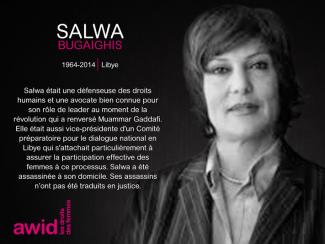
Salwa Bugaighis
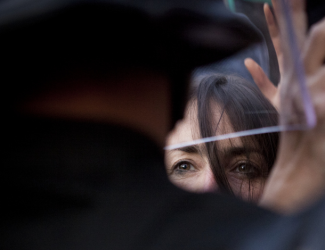
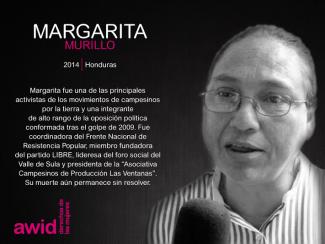
WHRDs are self-identified women and lesbian, bisexual, transgender, queer and intersex (LBTQI) people and others who defend rights and are subject to gender-specific risks and threats due to their human rights work and/or as a direct consequence of their gender identity or sexual orientation.
WHRDs are subject to systematic violence and discrimination due to their identities and unyielding struggles for rights, equality and justice.
The WHRD Program collaborates with international and regional partners as well as the AWID membership to raise awareness about these risks and threats, advocate for feminist and holistic measures of protection and safety, and actively promote a culture of self-care and collective well being in our movements.
WHRDs are exposed to the same types of risks that all other defenders who defend human rights, communities, and the environment face. However, they are also exposed to gender-based violence and gender-specific risks because they challenge existing gender norms within their communities and societies.
We work collaboratively with international and regional networks and our membership
We aim to contribute to a safer world for WHRDs, their families and communities. We believe that action for rights and justice should not put WHRDs at risk; it should be appreciated and celebrated.
Promoting collaboration and coordination among human rights and women’s rights organizations at the international level to strengthen responses concerning safety and wellbeing of WHRDs.
Supporting regional networks of WHRDs and their organizations, such as the Mesoamerican Initiative for WHRDs and the WHRD Middle East and North Africa Coalition, in promoting and strengthening collective action for protection - emphasizing the establishment of solidarity and protection networks, the promotion of self-care, and advocacy and mobilization for the safety of WHRDs;
Increasing the visibility and recognition of WHRDs and their struggles, as well as the risks that they encounter by documenting the attacks that they face, and researching, producing, and disseminating information on their struggles, strategies, and challenges:
Mobilizing urgent responses of international solidarity for WHRDs at risk through our international and regional networks, and our active membership.

Comment un mouvement nait-il ?
des fantômes nous expulsent d’une maison, d’une famille ou d’une nation
on arrive éreintées dans un espace (parfois une vraie adresse) mais surtout dans un état d’être
précédées par une étoile déchue
notre arrivée n’est peut-être pas accompagnée par la fatigue,
mais bien par la peur
notre arrivée n’est peut-être pas accompagnée par la peur
mais bien par la colère
de problèmes qui se répètent en boucle :
un coup au cœur (entendez douleur sentimentale)
un coup dans le dos (entendez trahison)
des disparitions forcées
des corps condamnés par le mariage, la défiguration et la fatigue chronique
mais quand on arrive, on se rassemble, on chuchote, on parle et on pleure.
C’est comme ça que naissent nos mouvements lorsque l’on arrive l’une à l’autre
Nous devenons des graines,
C’est comme ça que naissent nos mouvements lorsque l’on se sème l’une l’autre
Devenant des fleurs, parfois juste des épines, parfois des fruits,
nous sommes nos oasis mutuelles
où nous chantons pour le combat
où nous préparons des remèdes
où nous déposons le visage de l’être aimé, la forme de son visage, le son de son rire
le secret qui transforme des silences en un langage
les instructions détaillées des sorcières
notre mouvement est : pour nous toutes
lorsque nous arrivons en tant que graines dans l’objectif de fleurir.
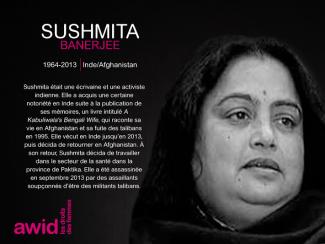
Sara AbuGhazal
www.badiya.blog
ترجمة مايا زبداوي
Estamos comenzando un nuevo año: 2023. El COVID-19 continúa infectando y re infectando a muchas, muchas personas en todo el mundo. Estamos siendo testigos del resurgimiento de gobiernos de derecha y fascistas, incluso en lugares que quizás no esperábamos, como Suecia. La guerra, los conflictos armados y el aumento dramático de la militarización, el militarismo y el gasto militar están permitiendo la acumulación descomedida de capital por parte de unos pocos, con la participación de alianzas aparentemente "extrañas" que se arman, tanto de manera visible como invisible, donde las élites económicas y políticas del Norte y el Sur Global se están beneficiando más allá de nuestra imaginación más desenfrenada. Mientras tanto, nuestra gente y el medio ambiente natural pagan enormes costos y sufren todas las esperadas e inesperadas consecuencias.
Como todes ustedes y todes nosotres en AWID sabemos, les feministas en múltiples movimientos alrededor del mundo están resistiendo y organizándose contra las múltiples caras de la tiranía, creando estructuras alternativas, implementando estrategias de base y construyendo alianzas transnacionales. Estamos generando alegría, inspirándonos unes a otres, cantando y bailando dentro y en contra de la cultura predominante de muerte y cinismo que parece haber envuelto a gran parte del mundo.
Nosotres, el personal y la Junta Directiva de AWID, estamos más preparades e inspirades que nunca para enfrentar los desafíos, fortaleciendo nuestras relaciones con nuestra membresía y organizaciones socias, reuniéndonos y conociendo a quienes aún tenemos que conocer y hacer lo que hacemos mejor: apoyar a los movimientos feministas globales. Aunque nos entristeció la partida de nuestras queridas ex-co-eds Cindy y Hakima, nuestras maravillosas nuevas co-eds Faye e Inna, junto con el personal comprometido y creativo, han aprovechado el momento que encapsula tanto las oportunidades como las amenazas.
Sin duda, todes nosotres en AWID y toda la gente de nuestro movimiento lo sabemos… como escribió la poeta y activista caribeña estadounidense June Jordan a las mujeres activistas sudafricanas durante el apogeo del régimen del apartheid: “¡Somos quienes hemos estado esperando!”
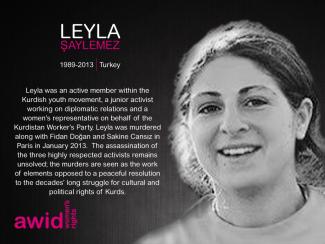
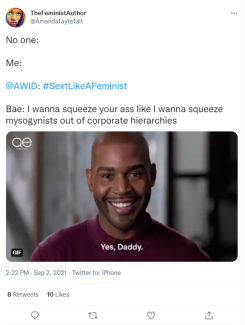
رغبتي في الانقضاض على جسدك تعادل رغبتي بالانقضاض على كراهية النساء المتجذرة في التسلسلات الهرمية للشركات
Nuestra base de datos de donantes y patrocinadores se encuentra actualmente en revisión. ¡Sabemos que los movientos feministas todavía necesitan y merecen más y mejores recursos!
Únete a nuestra lista de correo para mantenerte al tanto sobre esta actualización.
También puedes afiliarte a AWID y encontrar y crear conexiones con feministas de todo el mundo.
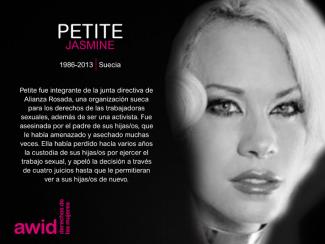
Upasana es unx ilustradorx y artista no binarie de Calcuta, India. Su obra explora narrativas identitarias y personales, que empean restos o evidencias visuales de los contextos con los que trabaja. Le atraen especialmente los diseños en patrones que, para ellx, comunican verdades complejas sobre el pasado, el presente y el futuro. Cuando Upasana no está ilustrando, organiza y dirige un centro de arte comunitario queer y trans de la ciudad.
Cuando miles de feministas se unen, creamos una fuerza arrolladora de solidaridad que tiene el poder de cambiar el mundo. El Foro de AWID será un momento para que descansemos y nos recuperemos juntas, nos conectemos más allá de las fronteras y descubramos nuevas y osadas direcciones estratégicas.
La fecha y el lugar se anunciarán el próximo año, tan pronto como podamos. Estamos emocionades y sabemos que ustedes también lo están. ¡Manténganse al tanto!
¡Asegúrate de seguirnos en las redes sociales y suscríbete a nuestra lista de correo para mantenerte al día!
Si tu actividad es seleccionada, el equipo de AWID te contactará para evaluar y responder a tus necesidades de interpretación y accesibilidad.
En partenariat avec de jeunes activistes féministes et des organisations dirigées par des jeunes, l'AWID co-organise Beijing sans Entraves en parallèle et indépendamment de Beijing + 25.
Merci de votre visite sur le site d'AWID. Pour plus d'informations sur AWID rendez-vous sur https://www.awid.org/fr
يعقد كل منتدى في منطقة مختلفة، وقد حان الوقت لعودة منتدى جمعية حقوق المرأة في التنمية إلى آسيا! قمنا بزيارة العديد من البلدان في المنطقة، واستشرنا الحركات النسوية، وأجرينا تقييمات مفصلة للخدمات اللوجستية، وإمكانية الوصول، والسلامة، والتأشيرات، وغيرها من التفاصيل. وفي نهاية المطاف، وافق مجلس إدارة جمعية حقوق المرأة في التنمية على إقامة المنتدى في بانكوك، تايلاند، باعتبارها الخيار الأفضل. نحن متحمسون/ات للعودة إلى بانكوك، حيث عقدنا منتدى جمعية حقوق المرأة في التنمية في عام 2005.
Hakima Abbas, AWID
"We're using the tools that we have to share our resistance, strategies and continue to build our power to take action and create new brave and just worlds."
Building Feminist Economies is about creating a world with clean air to breath and water to drink, with meaningful labour and care for ourselves and our communities, where we can all enjoy our economic, sexual and political autonomy.
In the world we live in today, the economy continues to rely on women’s unpaid and undervalued care work for the profit of others. The pursuit of “growth” only expands extractivism - a model of development based on massive extraction and exploitation of natural resources that keeps destroying people and planet while concentrating wealth in the hands of global elites. Meanwhile, access to healthcare, education, a decent wage and social security is becoming a privilege to few. This economic model sits upon white supremacy, colonialism and patriarchy.
Adopting solely a “women’s economic empowerment approach” is merely to integrate women deeper into this system. It may be a temporary means of survival. We need to plant the seeds to make another world possible while we tear down the walls of the existing one.
We believe in the ability of feminist movements to work for change with broad alliances across social movements. By amplifying feminist proposals and visions, we aim to build new paradigms of just economies.
Our approach must be interconnected and intersectional, because sexual and bodily autonomy will not be possible until each and every one of us enjoys economic rights and independence. We aim to work with those who resist and counter the global rise of the conservative right and religious fundamentalisms as no just economy is possible until we shake the foundations of the current system.
Advance feminist agendas: We counter corporate power and impunity for human rights abuses by working with allies to ensure that we put forward feminist, women’s rights and gender justice perspectives in policy spaces. For example, learn more about our work on the future international legally binding instrument on “transnational corporations and other business enterprises with respect to human rights” at the United Nations Human Rights Council.
Mobilize solidarity actions: We work to strengthen the links between feminist and tax justice movements, including reclaiming the public resources lost through illicit financial flows (IFFs) to ensure social and gender justice.
Build knowledge: We provide women human rights defenders (WHRDs) with strategic information vital to challenge corporate power and extractivism. We will contribute to build the knowledge about local and global financing and investment mechanisms fuelling extractivism.
Create and amplify alternatives: We engage and mobilize our members and movements in visioning feminist economies and sharing feminist knowledges, practices and agendas for economic justice.
“The corporate revolution will collapse if we refuse to buy what they are selling – their ideas, their version of history, their wars, their weapons, their notion of inevitability. Another world is not only possible, she is on her way. On a quiet day, I can hear her breathing”.
Arundhati Roy, War Talk