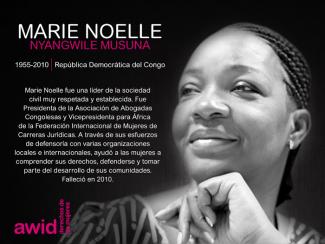
Marie Noelle Nyangwile Musuna
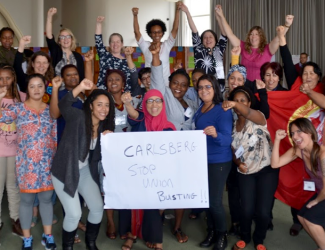
Defensoras de derechos humanos de todo el planeta defienden sus tierras, medios de subsistencia y sus comunidades ante las industrias extractivas y el poder corporativo. Ellas hacen frente a fuertes intereses económicos y políticos que promueven el robo de tierras, el desplazamiento de comunidades, la pérdida de los medios de subsistencia y la degradación del medioambiente.
El extractivismo es un modelo económico y político de desarrollo que mercantiliza la naturaleza y prioriza la ganancia por sobre los derechos humanos y el medioambiente. Arraigado en la historia colonial, refuerza las desigualdades sociales y económicas tanto a nivel local como global. Muchas veces, las mujeres negras, rurales e indígenas son las más afectadas por el extractivismo, y además son notablemente excluidas de la toma de decisiones. Desafiando estas fuerzas patriarcales y neocoloniales, las mujeres se alzan en defensa de los derechos, las tierras, las personas y la naturaleza.
Las defensoras que enfrentan a las industrias extractivas, experimentan una diversidad de riesgos, amenazas y violaciones, incluidas la criminalización, la estigmatización, la violencia y laintimidación. Sus historias dan cuenta de marcados aspectos de violencia sexual y de género. Entre los perpetradores se incluyen autoridades estatales y locales, las corporaciones, la policía, el ejército, las fuerzas paramilitares y de seguridad privada, y en algunos casos, sus propias comunidades.
AWID y la Coalición Internacional de Mujeres Defensoras de Derechos Humanos (WHRDIC por su sigla en inglés) tienen el placer de anunciar «Defensoras de derechos humanos confrontado al extractivismo y al poder corporativo»; un proyecto interregional de investigación que documenta las experiencias vividas por las defensoras de Asia, África y América Latina.
Alentamos a activistas, integrantes de movimientos sociales, la sociedad civil organizada, donantes y responsables de políticas públicas, a leer y utilizar estas producciones para el trabajo de incidencia, con fines educativos y como fuente de inspiración:
«Defensoras de derechos humanos confrontando a las industrias extractivas: un panorama de los riesgos críticos y las obligaciones en materia de derechos humanos» es un informe sobre políticas desde la perspectiva de género (en inglés, pronto disponible en español). Analiza las formas de violaciones y los tipos de perpetradores, hace referencia a las obligaciones relevantes en derechos humanos e incluye recomendaciones de políticas para los estados, corporaciones, la sociedad civil y donantes.
«Tejiendo la Resistencia a través de la Acción: Las Estrategias de las Defensoras de Derechos Humanos contra a las Industrias Extractivas» es una guía práctica que expone formas creativas y deliberadas de acción, tácticas exitosas e inspiradoras historias de resistencias.
El video «Defendiendo a las Personas y al Planeta: Mujeres Confrontando a las Industrias Extractivas» está protagonizado por defensoras de derechos humanos de África, Asia y América Latina, que comparten sus luchas por la tierra y la vida, y hablan de los riesgos y desafíos que enfrentan en su activismo.
«Desafiar al poder corporativo: Las luchas por los derechos de las mujeres, la justicia económica y de género» es un informe de investigación que explica los impactos del poder corporativo y ofrece ideas sobre estrategias de resistencia.
AWID reconoce con gratitud las invaluables contribuciones de cada Defensora de Derechos Humanos que ha sido parte de este proyecto. Esta guía ha sido posible gracias su generosidad y apertura al compartir sobre sus experiencias y lecciones. Su coraje, creatividad y resiliencia son una inspiración para todxs nosotrxs. ¡Muchas gracias!
Ven a conocer a Aura Roig, activista feminista visionaria, antropologa y directora-fundadora de la cooperativa Metzineres.
Dedicó las últimas dos décadas a la investigación, el diseño y la implementación de políticas con perspectivas de reducción de daños, derechos humanos y feminismo interseccional.
Después de experimentar y aprender de comunidades que usan drogas a través del mundo, volvió a Barcelona y creó la Xarxa de Dones que Usen Drogues (la Red de Mujeres que Usan Drogas, XADUD). XADUD era un espacio de apoyo mutuo y de solidaridad con la lucha por los derechos de los grupos marginalizados que, más tarde, se convirtió en la cooperativa Metzineres.
Actualmente, Aura está trabajando para expandir el modelo Metzineres y brindar apoyo a grupos más grandes, al mismo tiempo que documenta ampliamente su prolífico viaje y aprendizaje.
Absolutamente; deseamos saber de ustedes y su experiencia con la obtención de recursos.
Consideramos a Taipéi como el mejor lugar de la región Asia-Pacífico para construir ese espacio seguro y rebelde destinado a nuestra comunidad feminista global.
Taipéi ofrece un cierto grado de estabilidad y seguridad para la diversidad de participantes que convocamos al Foro. Tiene también capacidad logística, y resulta accesible para muchxs viajerxs (con la facilitación de un trámite de visa electrónico para conferencias internacionales).
El Foro es bien recibido por el movimiento feminista local, que está muy interesado en interactuar con feministas de todo el mundo.
Nous sommes ravis de partager notre nouveau Plan stratégique (2023-2027) avec tout le monde. Bien tôt, AWID fera une annonce pour informer notre communauté et nos membres.
L’Association pour les droits des femmes dans le développement (AWID) est une organisation féministe, associative et internationale de soutien aux mouvements.
Depuis plus de 35 ans, l’AWID fait partie d’un incroyable écosystème des mouvements féministes qui oeuvrent en faveur de la justice de genre et des droits humains des femmes à travers le monde.
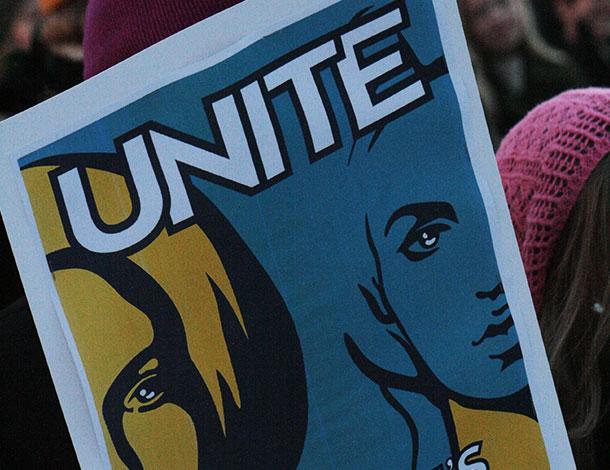
L’AWID imagine un monde où les réalités féministes prospèrent, où les ressources et le pouvoir sont partagés de façon à permettre à chacun-e, y compris aux générations futures, de s’épanouir et de réaliser leur plein potentiel dans la dignité, l’amour et le respect et où la Terre nourrit la vie dans toute sa diversité.
Notre mission est d’aider les mouvements féministes, en faveur des droits des femmes et de la justice de genre à s’épanouir, à être un élément moteur de l’opposition aux systèmes d’oppression et à co-créer des réalités féministes.
Nous promouvons notre travail au travers des stratégies suivantes:
Nous tirons collectivement parti de notre portée, de notre pouvoir, de nos ressources et de nos relations afin d’influencer stratégiquement les politiques et les pratiques. Nous visons à promouvoir les programmes féministes à travers les collaborations que nous menons avec les décideurs politiques, les fonda-trices-teurs et les activistes au sein des espaces régionaux et internationaux. Dans le cadre des efforts que nous déployons pour renforcer notre pouvoir et influence collectifs, nous incitons également les mouvements féministes et de lutte pour les droits des femmes à accorder une place centrale aux mouvements historiquement opprimés.
Nous nous servons de notre pouvoir mobilisateur pour faciliter le dialogue et élaborer des stratégies sur des questions clés. Nous connectons nos membres et nos allié-e-s les une-s- aux autres, et partageons et échangeons nos ressources, nos idées et nos actions sur des questions pertinentes. Nous organisons des rassemblements et mettons à disposition des espaces nous permettant de consolider nos mouvements et de nouer des rapports les un-e-s avec les autres, d’imaginer et d’envisager de nouveaux horizons, de développer des stratégies d’influence efficaces et de créer ensemble des programmes et des processus importants.
Nous mobilisons nos membres et les mouvements que nous soutenons pour consolider l’action collective en solidarité avec les causes et les défenseur-e-s féministes en danger. Nous créons des partenariats, pratiquons l’écoute active et tissons des liens de solidarité continus et sur le long terme. Aux côtés de défenseur-e-s, nous oeuvrons à établir une base de connaissances et à soutenir des réseaux de solidarité autour de la protection et du bien-être.
Nous reconnaissons la valeur unique des stratégies culturelles et créatives dans la lutte contre les oppressions et l’injustice. Nous travaillons avec des artistes qui accordent une place prépondérante aux voix féministes et aux récits des communautés historiquement opprimées. Nous voyons en cette tactique émergente l’art et l’expression créative comme autant de moyens nous permettant d’imaginer un monde où l’on continue de célébrer des réalités féministes, et où ces dernières continuent de prospérer.
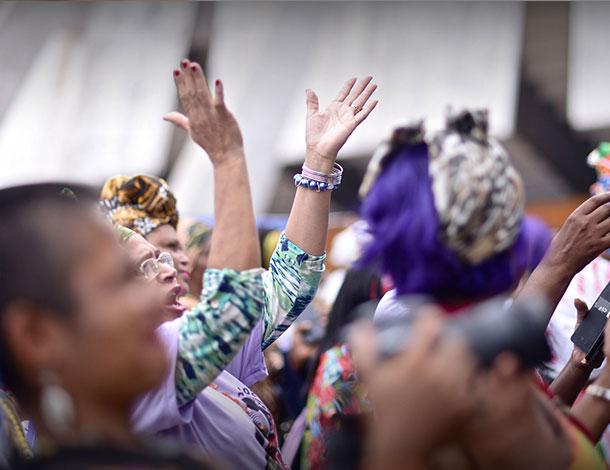
Nos initiatives oeuvrent à l’intersection des zones de changement que nous abordons, des mouvements que nous priorisons et des stratégies que nous déployons:
Nous surveillons, documentons et visibilisons la façon dont les acteurs anti-droits opèrent et conspirent au sein des espaces multilatéraux, et soutenons les mouvements et allié-e-s féministes, oeuvrant en faveur des droits des femmes et de la justice de genre pour contrer leur influence et leur impact.
En travaillant sur l’extractivisme, la justice fiscale et la responsabilisation des entreprises, nous acquérons des connaissances sur le pouvoir des entreprises et leur influence; nous plaidons pour la responsabilisation des entreprises et la distribution équitable des richesses; et amplifions les propositions féministes en faveur d’économies plus justes.
Nous développons des analyses accessibles et orientées vers l’action concernant l’état des ressources attribuées aux mouvements féministes. Nous nous efforçons d’influencer les pratiques et politiques des donateurs, d’approfondir et maintenir les subventions en faveur de changements sociaux féministes et de soutenir les besoins et les stratégies des mouvements.
L’AWID s’engage expressément à avoir de l’impact dans le monde et à renforcer nos propres résiliences et apprentissages organisationnels afin de consolider davantage les mouvements féministes internationaux.
Sans le généreux soutien et le financement de nos donateur-e-s, notre travail ne serait pas possible.
Si vous êtes de passage à Sao Paulo, au Brésil, visitez l'Occupation 9 de Julho et prenez un repas collaboratif. Vous pouvez aussi acheter leurs produits dans leur boutique en ligne depuis l'étranger.
Visitez la boutique en ligne de l'Association des Femmes Afro-Descendantes du Cauca du Nord où vous pouvez trouver de superbes produits faits à la main.
Il existe plusieurs façons de soutenir Metzineres : vous pouvez faire un don financier, offrir du matériel et des services, proposer une formation, un atelier ou une activité (pour plus d'informations, cliquez ici).
Le financement extérieur inclut les subventions et autres formes de financement de la part de fondations philanthropiques, de gouvernements, de financeurs bilatéraux, multilatéraux ou d’entreprise et de donateur·rices individuel·les, qu’elles et ils soient de votre pays ou de l’étranger. Il exclut les ressources que les groupes, organisations et/ou mouvements génèrent de manière autonome (ressource en anglais), telles que les cotisations d’adhésion, contributions volontaires du personnel, de membres et/ou de soutiens, les collectes de fonds communautaires, les locations de salles et ventes de services. Les définitions des différents types de financement, ainsi que de courtes descriptions des différents bailleurs de fonds, sont incluses dans l’enquête pour une meilleure compréhension.


In 2002 AWID celebrated its 20th anniversary. Given the challenging political, economic and funding environment in which women's organizations must survive, a milestone such as this is worthy of recognition.
In the past two decades the geo-political landscape has been transformed and development theories have come and gone, but approaches to ensure women benefit from development processes have endured.
In its twenty-year history, AWID grew from a volunteer organization for U.S. "Women in Development" (WID) specialists to an international network striving to support proactive and strategic gender equality research, activism and policy dialogue.
On the occasion of its 20th anniversary, this paper charts not only the changes in AWID's organizational structure and goals but also the shifts in policy approaches to gender equality in a changing global environment, through the lens of a membership organization committed to improving the lives of women and girls everywhere.


Yes, the survey is accessible to people with a diverse range of hearing, movement, sight, and cognitive abilities.
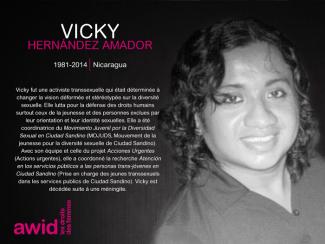
Estas defensoras lucharon por los derechos sobre la tierra, de las mujeres y de los pueblos indígenas; haciendo frente a las industrias extractivas, escribiendo poesía y promoviendo el amor. Una de ellas desapareció hace ya 19 años. Únete a nosotras para recordar y honrar a estas defensoras de derechos humanos, su trabajo y su legado, compartiendo los memes aquí incluidos; y tuiteando las etiquetas #WHRDTribute y #16Días.
Por favor, haz click en cada imagen de abajo para ver una versión más grande y para descargar como un archivo.


We are living in a world where the destruction of Nature fuels our current global economy. |
Even in times of climate crisis, governments continue to encourage large-scale agriculture industries to expand. These activities poison the land, threaten biodiversity, and destroy local food production and livelihoods. Meanwhile, while women produce the majority of our food in the world, they own almost none of the land. |
|
What if we perceived land and Nature not as private property to exploit, but as a whole to live in, learn from, and harmoniously coexist with? What if we repaired our relationships with the land and embraced more sustainable alternatives that nurture both the planet and its communities? Nous Sommes la Solution (We Are the Solution, NSS) is one of many women-led movements striving to do this. This is their story. |
|
El tiempo estimado para responder la encuesta es de 30 minutos.
These transgender women were murdered because of their activism and their gender identity. There are insufficient laws recognizing trans* rights, and even where these laws exist, very little is being done to safeguard the rights of trans* people. Please join AWID in honoring these defenders, their activism and legacy by sharing the memes below with your colleagues, networks and friends and by using the hashtags #WHRDTribute and #16Days.
Please click on each image below to see a larger version and download as a file