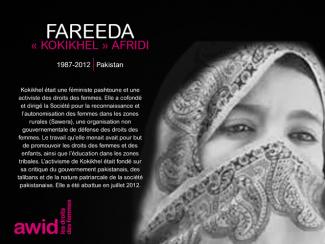
Farida Afridi
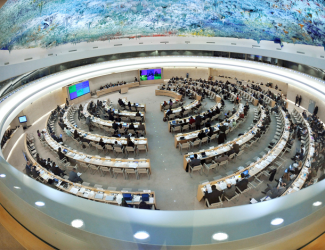
El Consejo de Derechos Humanos (CDH) es el cuerpo intergubernamental del sistema de las Naciones Unidas responsable de la promoción y protección de todos los derechos humanos en todo el mundo. El HRC se reúne en sesión ordinaria tres veces al año, en marzo, junio y septiembre. La La Oficina del Alto Comisionado para los Derechos Humanos (ACNUDH) es la secretaría del Consejo de Derechos Humanos.
Debate y aprueba resoluciones sobre cuestiones mundiales de derechos humanos y el estado de los derechos humanos en determinados países
Examina las denuncias de víctimas de violaciones a los derechos humanos o las de organizaciones activistas, quienes interponen estas denuncias representando a lxs víctimas.
Nombra a expertos independientes que ejecutarán los «Procedimientos Especiales» revisando y presentado informes sobre las violaciones a los derechos humanos desde una perspectiva temática o en relación a un país específico
Participa en discusiones con expertos y gobiernos respecto a cuestiones de derechos humanos.
A través del Examen Periódico Universal, cada cuatro años y medio, se evalúan los expedientes de derechos humanos de todos los Estados Miembro de las Naciones Unidas
Se está llevarando a cabo en Ginebra, Suiza del 30 de junio al 17 de julio de 2020.
AWID trabaja con socios feministas, progresistas y de derechos humanos para compartir conocimientos clave, convocar diálogos y eventos de la sociedad civil, e influir en las negociaciones y los resultados de la sesión.
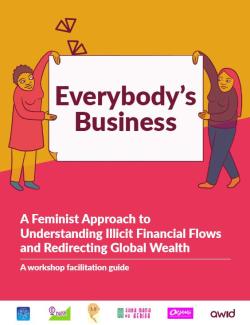
Download your facilitation guide in English
This Guide is also available in Spanish and Russian
Trabajamos por un mundo basado en la justicia social, ambiental y económica; y por la interdependencia, la solidaridad y el respeto. Trabajamos para desmantelar los sistemas de poder opresivo y contra todas sus manifestaciones, incluidos el patriarcado, los fundamentalismos, los militarismos, los fascismos y el poder corporativo que amenazan nuestras vidas y nuestro mundo. Queremos un mundo justo en el que los recursos y el poder sean compartidos en formas que permitan que todas las personas prosperen.
É claro que sim. As suas respostas serão eliminadas no final do processamento e da análise dos dados, e só serão usadas para fins de investigação. Os dados NUNCA serão divulgados fora da AWID e serão processados apenas por colaboradores e consultores da AWID que trabalham no projeto WITM connosco. Damos prioridade à sua privacidade e ao seu anonimato. Consulte a nossa política de privacidade detalhada aqui.
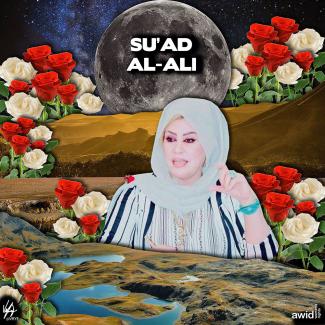
Su’ad fue una firme defensora de los derechos de las mujeres y lxs niñxs y estuvo al frente de Al-Weed Al-Alaiami, una organización de derechos humanos iraquí.
Participó en las manifestaciones que tuvieron lugar en julio de 2018 en Basra y en varias otras ciudades iraquíes, en protesta contra el desempleo y en demanda de trabajo y servicios públicos adecuados para la ciudadanía, y exigiendo también la eliminación de la corrupción generalizada.
Su’ad fue asesinada el 25 de septiembre de 2018, en el barrio de Al-Abbasiyah, en el centro de Basra. En un video del hecho, se veía a una persona que se le acercaba mientras ella se subía a su automóvil, le disparaba un tiro en la parte posterior de la cabeza y apuntaba el siguiente disparo a Hussain Hassan, su chofer, quien resultó herido en un hombro. Al-Ali tenía 46 años y era madre de cuatro hijxs.
by Gabrielle Tesfaye
When I created my short animation film, The Water Will Carry Us Home, my mind was plugged into a magical world of fearless resilience and ancestral mermaids who transformed their deepest scars into a new generation of life. Set during the time of the transatlantic slave trade, I was pulled to show this history of African enslavement in a different way than it has ever been told on screen. I wanted to give my ancestors the commemoration they never received. I was motivated to reclaim the history that continues to paint us as helpless victims. Essentially, I wanted to tell the truth. To reclaim and reimagine our history and perspective, means to simultaneously heal our generational traumas that exist today. It is this important work that so many women through the African continent and the African diaspora are doing today, igniting our collective Feminist Realities.
In the making of the film I researched religiously, and in what was written, I saw what was not. There were many times I felt I was hitting a wall trying to find something that was not there, and it was in those voided places that I realized the storytellers of today are filling the voids. I found the most useful stories in contemporary art, film, and African diaspora folklore.
“... a truly unique, raw and representation of feminist power in action.”
- Hers is Ours Collective, organizers of the Outsider Moving Art & Film Festival
The Water Will Carry Us Home carried itself around the world into the hearts of the Diaspora. It also led me here, as the curator of the African and Diaspora film screenings of AWID’s Co-Creating Feminist Realities initiative. Whilst curating this collection of films, I looked for stories that were completely unique, raw and representational of feminist power in action. Consisting of three shorts and one feature, they reveal stories through many communities in Africa and the diaspora, including Ethiopia, Uganda, The Democratic Republic of Congo, South Africa and Kenya. These films reposition African women as what they truly are- self governing and empowered through the unfiltered lens of their work.
“An incredibly beautiful, attentive, finely observed telling of the connection between Africa and its Diaspora formed form the trans Altantic slave trade. The visual universe it creates is just gorgeous… an echo of the fusion of spiritual traditions and non-linear time that speak to how we are still experiencing the moments of the past that formed 'new' worlds of diaspora blackness.”
- Jessica Horn, PanAfrican feminst strategist, writer and co-creator of the temple of her skin
Our short documentary film, Women Hold Up the Sky, created by the WoMin African Alliance, tells the story of women activists in Uganda and the Democractic Republic of Congo who are actively reclaiming their land rights, threatened by mining and other extractives in their homes. The film not only exposes the corruption of extractivism, but finally shares what we have been missing on screen - how grassroots African women are actively organizing, strategizing, and analyzing within their communities to create women-centred and community-driven alternatives. Margaret Mapondera of WoMin explains it beautifully, that they are the “custodians of lands, forests, waters, rivers and territories; the ways in which women hold and transmit the stories / herstories of our past and our futures; the powerful and transformative ways of being that women embody in their relationships to each other, to the environment and in themselves.”
“A refreshing and much-needed piece of cinema highlighting the many ways African women are coming together to create women-led and community-driven alternatives… The fight is on and
women hold the key.”
- Hers is Ours Collective, organizers of the Outsider Moving Art & Film Festival
Pumzi, created by critically acclaimed director Wanuri Kahiu, bridges Africa and science fiction around climate and environmentalism. Pumzi imagines a futuristic world where humankind has been forced to settle on another planet. While Pumzi seems afro-futuristic and new for Africa on the surface, Kahiu reveals the truth that science fiction and fantasy is something that has always existed in African storytelling, but never recognized. Kahiu creates a world where women are truth seekers and heroes who pioneer us into a new world, the opposite of images that position Africans as victims of war and destruction. Instead, Pumzi writes the narrative of African women being their own saviors and problem solvers, who stop at no cost to follow the cryptic visions they channel in their dreams.
“A pioneering African sci-fi film, situating women as scribes of the future and opening up our visions about other worlds, other universes we might occupy as Africans - always an important exercise as we imagine our way out of present crises.”
- Jessica Horn, PanAfrican feminst strategist, writer and co-creator of the temple of her skin
Our feature film of the program, Finding Sally is set in 1970’s Ethiopia during the time of The Red Terror war, documenting the striking history of director Tamara Mariam Dawit’s activist aunt, Sally Dawit. Throughout the film we learn of Sally’s incredible journey as a young and courageous woman activist navigating one of the most violent times of Ethiopian history. Sally’s story not only reveals the gravity of this time, but the reflection of her own personal evolution as a young woman. Dawit was intentional to tell the film through the lens of women, untouched by male voices. Due to so much Ethiopian history being told by men, the making of this powerful story preserved its reality of honoring the feminist perspective. Dawit explains, “Women in revolution and war are often only included as someone's spouse or someone who did cooking or typing work. I wanted to look at the activism around the revolution only through the memories and voices of women.” Finding Sally demonstrates the reclamation of history sought by current filmmakers today. It is an igniting of feminist power and our connected realities throughout time.
“The responsibility falls on us, to remember these women that came before us and their brilliant work so they are not forgotten like the thousands of women already forgotten while fighting the good fight. Sally is such a woman and may she never be forgotten.”
- Hers is Ours Collective, organizers of the Outsider Moving Art & Film Festival
Register here to watch this film from June 18-22
These films have became a part of my own psyche, empowering me to continue building powerful alternatives towards justice from within. They affirm that I am a woman among a world of women, holding up the skies and actively building indestructible Feminist Realities. These films are more than stories of African women - they are globally relatable, inspiring and set the example of Feminist Realities for all of us around the world.
Facebook: @AWIDWomensRights
Instagram: @awidwomensrights
Twitter ENG: @awid
Twitter ES: @awid_es
Twitter FR: @awid_fr
LinkedIn: Association for Women's Rights in Development (AWID)
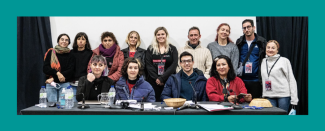
Le Forum de l’AWID n’est qu’une étape dans l’aventure des Réalités féministes. Parcourons ce chemin ensemble et explorons notre pouvoir en action !
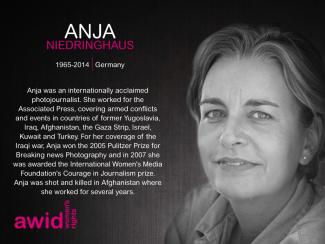
نهدف للوصول الى 2000 رد، وهذا تقريباً ضعف الردود التي جمعناها من استطلاع "أين المال" الأخير عام 2021.
"Después
Después del amor la primera vez,
nuestros cuerpos y mentes desnudas:
un salón de espejos.
Totalmente desarmadxs, íntegramente frágiles,
nos echamos en los brazos del otrx,
respiramos con cuidado,
por miedo de romper
estas figuras de cristal". - Fahmida Riaz
Su trabajo se enfrentó a duras críticas de los frentes conservadores, que la acusaron de utilizar expresiones eróticas y "pornográficas" en su lenguaje poético.
Eventualmente, Fahmida fue incluida en una lista negra y acusada de sedición en virtud del artículo 124A del Código Penal de Pakistán, durante la dictadura de Zia Ul Haq. Fahmida fue obligada a exiliarse en 1981 y pasó casi siete años en la India antes de regresar a Pakistán.
En el prefacio de "Badan Dareeda" ("El Cuerpo Desgarrado"), una colección de poesía publicada en 1974, escribió:
La brillantez de Fahmida fue la de desafiar cualquier lógica singular o categoría de género, nación, religión o cultura. Ella se negó a ser colocada en el rol de la "mujer poeta", rompió con las definiciones tradicionales de la poesía y los conceptos y temas femeninos (que van desde la conciencia política, el cuerpo, la cultura, el deseo, la religión, al hogar) y derribó las inhibiciones impuestas a su género.
"Tienes que entender que la cultura no puede tener esencia. Las culturas se mueven, fluyen unas en otras, formando nuevas culturas. La cultura nace de esa manera. No hay choque de culturas".
Fahmida es autora de más de 15 libros de poesía y ficción, incluido su poema "Taaziyati Qaraardaaden" ("Resoluciones de condolencia" - en inglés), que podría servir como un tributo apropiado a su vida y legado, y una colección de poemas (Apna Jurm To Saabit He "Mi crimen está probado") publicado en 1988, durante su tiempo en exilio.
Fahmida Riaz nació en Meerut (India) el 28 de julio de 1946 y falleció el 21 de noviembre de 2018 en Lahore (Pakistán).
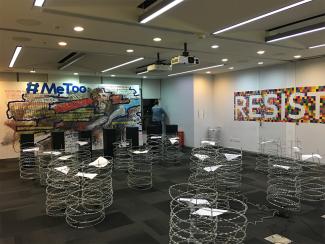
En China, el movimiento #MeToo [«Yo También»] se encendió en enero de 2018, empujado por el ímpetu del movimiento #MeToo de todo el planeta. Fue una respuesta a los problemas culturales y sistémicos relacionados con el género y el poder dentro de China. Las bases del movimiento habían sido establecidas durante décadas, y los muchos años de debate y promoción de la igualdad de género, finalmente, hicieron erupción con tremenda fuerza en toda la sociedad. El movimiento #MeToo fue impulsado fundamentalmente por jóvenes, que incluyen a innumerables mujeres anónimas y sus aliadxs, en busca de oportunidades para hacer realidad el principal «sueño chino»: transformar a China en un país con igualdad de género.
En China, el contexto para el movimiento #MeToo es extremadamente adverso: el Estado de derecho, la justicia y la transparencia de las acciones gubernamentales y la libertad de expresión no pueden darse por descontados, pero estos son precisamente los objetivos por los cuales lucha el movimiento. Ha sido, desde el principio, una lucha intensa, y cada víctima o activista que se visibiliza corre enormes riesgos: desde ser silenciadx o humilladx o de sufrir represalias hasta poner en peligro su seguridad. Todos los éxitos del movimiento #MeToo han sido logrados por quienes son lo suficientemente valientes como para asumir los costos de manifestarse y desafiar la censura.
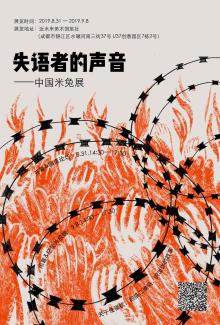
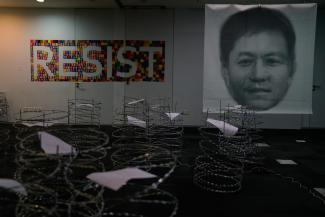
La exhibición «#MeToo in China» fue inaugurada en 2019 y recorrió cinco ciudades. Su objetivo es dar mayor prominencia a las experiencias personales de lxs víctimas y lxs activistas, para inspirar al público a unirse a la lucha a través del contacto con estas historias. La exposición misma se ha convertido en parte de la lucha #MeToo: ha debido enfrentar desafíos en su itinerario por toda China y, en más de una ocasión, fue amenazada con la clausura.
Kindle for your feminist fire! Browse AWID’s research on funding, WHRDs, movement building, fundamentalisms, economic justice, feminist monitoring & evaluation and more
AWID Community is an online social networking platform for specifically for AWID members. It’s a feminist space for connection, resistance and celebration. A space for critical feminist conversations, collective power and solidarity. It is also a space for post-event dialogues, navigating difficult political learnings and community care