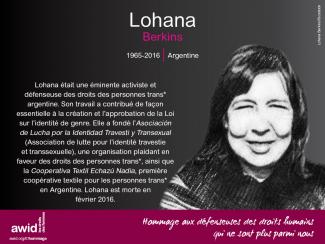
Lohana Berkins
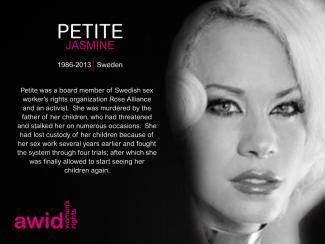
El Tributo de AWID es una exhibición de arte que honra a feministas, a activistas por los derechos de las mujeres y de la justicia social de todo el mundo que ya no están con nosotrxs.
El Tributo de este año cuenta y comparte las historias y narraciones de quienes crearon conjuntamente realidades feministas, ofrecieron visiones de alternativas a los sistemas y actores que nos oprimen, y propusieron nuevas formas de organizarnos, de movilizarnos, de luchar, de trabajar, de vivir y de aprender.
Se agregan a la galería 49 retratos nuevos de feministas y defensorxs de derechos humanos. Aunque muchxs feministas y defensorxs han fallecido debido a edad avanzada o enfermedad, muchísimxs han sido asesinadxs debido a su trabajo y por ser quienes eran.
Esta violencia creciente (de parte de Estados, empresas transnacionales, crimen organizado, sicarios no identificados, etc.) no se dirige solo a activistas individuales sino a nuestro trabajo común y a las realidades feministas.
Visita nuestra exhibición en línea
Lors retratos de 2020 fueron diseñados por la ilustradora y animadora galardonada, Louisa Bertman.
En AWID nos gustaría agradecer a las familias y organizaciones que nos compartieron sus historias personales, y así haber contribuido a este memorial. Nos unimos a ellxs para continuar el extraordinario trabajo de estxs activistas y defensorxs, y en el esfuerzo para asegurarnos de que se logre justicia en los casos que permanecen en la impunidad
"Ellos trataron de enterrarnos pero no sabían que éramos semillas."‐ Proverbio Mexicano
Primero tomó forma como una exposición física de retratos y biografías de feministas y activistas que habían fallecido, en el 12º Foro Internacional de AWID, en Turquía. Ahora vive como una galería en línea, que actualizamos cada año.
Desde 2012 hemos presentado más de 467 feministas y defensorxs.
by Marta Plaza Fernández
The feminist reality that I want to share is about weaving networks in which we uphold one another. (...)
artwork: “Entretejidas” [Interwoven women] by Surmercé >
In the African Commission and the Inter-American System, anti-rights actors push essentialist notions of culture and gender to hamper progress on rights and undermine accountability. As we see, anti-rights actors are exerting influence in regional human rights systems, as well as international spaces.
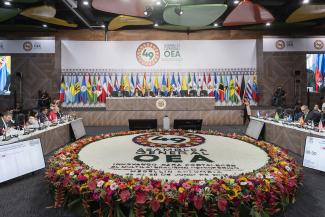
The African Commission on Human and Peoples' Rights has begun framing women’s and sexual rights as jeopardising its ability to deal with “real rights” and contrary to “African values”, setting a worrying anti-rights precedent. The withdrawal of the Coalition of African Lesbians’ observer status is an example of this trend, and points to the way space for feminist, Pan-Africanist engagement is being stifled.
In the Organization of American States (OAS) and the Inter-American Human Rights System, anti-rights strategies include the NGOization of religious groups, the use of secular discourses, and the co-optation of discrimination frameworks. Anti-rights influence has materialized in a number of ways, including the intimidation of trans activists and the blocking the introduction of progressive language in resolutions.
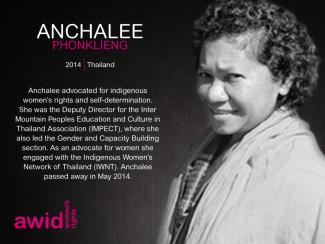
por Judyannet Muchiri
En octubre del año pasado, me fui a Kenia para empezar lo que he llegado a considerar el trabajo más importante que he hecho hasta ahora. (...)
arte: «Healing Together» [Sanar juntxs], Upasana Agarwal >
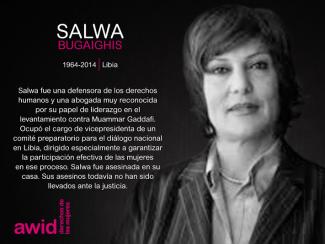
ترجمة رولا علاء الدين
 |
جوريما آراوْخو، معلّمة وشاعرة من ريو دي جانيرو. ساهمت في مجلة Urbana التي حرّرها الشاعران برازيل باريتو وسامارال، وفي كتاب Amor e outras revoluções “الحب والثورات الأخرى” مع العديد من الكتّاب الآخرين. بالتعاون مع أنجليكا فيراريس وفابيانا بيريرا، شاركت في تحرير O livro negro dos sentidos “الكتاب الأسود للحواس”، وهو مختارات إبداعية عن الحياة الجنسية للمرأة السوداء في البرازيل. جوريما عمرها 54 سنة. لديها ابنة وثلاثة كلاب وقطة والعديد من الأصدقاء. |
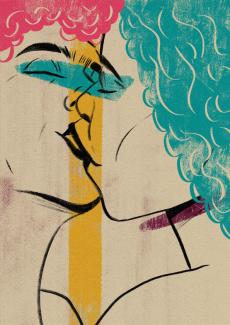
مَن يودّ المصّ معي؟المانغو هي الثمرة المفضّلة عندي. |
يومَ دعتني أنجليكا وفابي لأكون القَيِّمة على تشكيلة نصوص شبقية من تحرير نسوة سود لم أكن أعرف ما يعنيه عملُ القيِّم. الشبق ومشتقاته، هذه فهمتها جيداً، لكن عمل القَيِّم... ابتسمت تحت وطأة الخجل والإطراء. أظن أنّي شكرتهما، على الأقلّ آمل أنّي شكرتهما، وقلت في ذاتي: ماذا تعني هذه الكلمة اللعينة؟! حسناً، سأضطر إلى سَبر معاني هذا اللقب المُبهرَج وأنا أطبّقه.
اليوم، أنا على دراية بما يعينه عمل القيِّم. هو بمثابة ممارسة الحبّ مع نصوص شخصٍ آخر، مع فنّ شخصٍ آخر، بغية تجميع كتاب وتنظيمه. وهذا تماماً ما قمت به. عرّيت بشهوانية أدبية كلّ نصّ لكلٍّ من الكاتبات. تعمّقت في كلمات وحواس الآخرين. ولَجَتني قصائدُ لم أكتبها. حكايات ما كنت لأجرؤ على تخيّلها قلبتني رأساً على عقب وأربكت مشاعري وعبثت بشهوتي الجنسية. وكانت نشوةٌ رائعة وفريدة: سماويّة وجسمانيّة وسامية في آنٍ واحد، فكريّة وحسّيّة.
تنبض هذه النصوص كالبظر المنتصب رغبةً، رطبةٌ، ينسال منها الفرح مع كلّ قراءة. كلمات ابتلعتني بإيحاءتها اللعوبة، تأخذني أعمق فأعمق في هذا العالم الرّطب.
غطست هذه النسوة السود إلى قعرِ هَيْجِهنّ وحوّلن أعمق تخيّلاتهنّ الشبقيّة إلى فنٍّ.
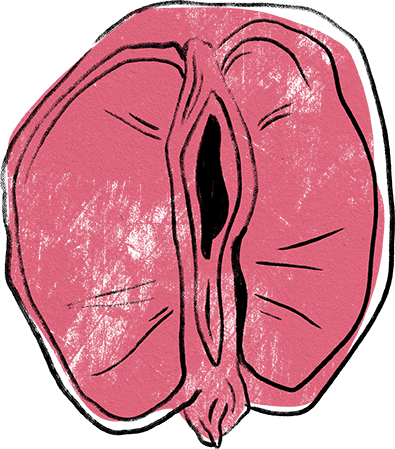
أُخْصِبَت هذه الأعمال بأسلوبِ كلٍّ من الكاتبات الخاصّ في التجربة الجنسانية، بحريّة، بسوداوية، بأنفسنا، بطريقتنا الخاصّة، بتمكّن.
اخترت أن أوزّع هذه النصوص في مختلف أجزاء الكتاب ونظّمتها بحسب محتواها الأكثر رقّة أو انفعالية أو بديهية أو ضمنيّة.
استهلالاً لهذا «اللبّ الأسود المفترج»، تأتي أقسام ’التمهيدات‘ (Preliminaries) بنصوصها التي تقدّم لمحةً للقرّاء عن عالم الأطايب هذا، وهي بمثابة لمسَة شاملة رقيقة تُعرِّف بالمواضيع التي تطرحها النصوص في باقي الكتاب.
يلي ذلك لهيبُ ’اللمس‘ (Touch) وهو جزءٌ يُعنى بكلّ ما تشعر به البشرة. تلك الطاقة التي تحرق أو تُثلِج أجسادنا، التي تفجّر هُرموناتنا وتوقظ حواسنا الأخرى. صحيحٌ أنّ كثيرين بيننا يستمتعون بشهوة التلصُّص، لكنّ ملامسة البشرة بالفم الدافئ والرّطب مثيرٌ، وهو كالتطواف في نعومة الآخر. تُغرينا اللمسة اللطيفة أو الحازمة وتجتاحنا القشعريرة، وذلك التوتّر الجميل الذي يسري من العنق إلى الظهر ولا يختفي إلا اليومَ التالي. ودفء الشفاه والفم واللسان الرّطب على البشرة، آه من حلاوة لسانٍ ينساب داخل الأذن، أو احتكاك الجلد بالجلد، والملابس تتموّج على الجسد وكأنّها امتدادٌ لليدّ. ولمّا يكون التروّي جزءاً من المتعة، وتعصف بك الإثارة بفعل قبضة مُحْكَمة وبعضٍ من الألم – أو الكثير منه، من يدري؟
أمّا ’الصوت‘ (Sound) – أو اللحن؟ – فيبيّن لنا أنّ الانجذاب يحصل أيضاً عبر حاسّة السمع: صوت الشخص، الهمسات، الموسيقى التي تشعل التواصل بين جسدٍ وآخر وقد تمسي محورَ الرغبة. فبالنسبة لبعضٍ منّا، لا يتطلّب الأمر إلّا الأوتار الصوتية لشخصٍ ذي صوتٍ جميل، فذاك الصوت الأجشّ أو العميق أو الرخيم يكون كممارسة الجنس سمعياً. أن نسمع سِبابَهم الصارخ أو كلامهم المعسول همساً في الأذن يكفي لتجتاحنا قشعريرة الإثارة من الرأس إلى أخمص القدميْن.
في ’المذاق‘ (Flavor)، نأتي إلى اللسان وهو الخبير في استكشاف الخبايا يجول هائماً على جسد الآخر ويتلذّذ. وأحياناً يُقحَم اللسان قحماً لتذوُّق رحيق الآخر. فكرة أن يُشاركنا أحدٌ فراولته أو مانغته الشهيّة الملأى، بالعضّ واللحس، أو اللحس ثم العضّ، فكرةٌ كفيلة بإذابتنا. لكن لا شيء يعلو على حلاوة تذوُّق جسد الآخر بكهوفه وتلاله. إقحامُ اللسان في العمق لتذوُّق الثمرة، أو قضاءُ ساعاتٍ في تذوُّق رأس القضيب في الفم، أو رضعُ ثدي شهيّ لتذوُّق الحلمة... كلّها أفعال تسعى إلى حفظ ’مذاق‘ الآخر في الذاكرة.
نجد أيضاً نصوصاً تصف كيف تُستثار الرغبة عبر الأنف. ’الرائحة‘ (Smell)، أعزائي القرّاء، قد توقظ فينا شهوات الرغبة. أحياناً نلتقي شخصاً رائحته عبقة لدرجة أننا نودّ التهامه بأنفنا. يريد الأنف أن يجول في أنحاء الجسد ويبدأ من العنق وآهٍ من الرعشة الحلوة التي تصيبنا وتعرّي الروح! يقلّ حياء الأنف فيتعمَّق ويلفّ حول العنق ليلتقط عَبَق رائحة الآخر فيحفظها. وفي غياب هذا الشخص، إن إلتقط الأنف رائحة شبيهة يحضر الشخص في ذاكرتنا، أو إن استحضرته الذاكرة تجتاحنا الرائحة والإثارة.
نصل إلى ’النظر‘ (Look)، وهو برأيي غدّار الحواس، ومن خلاله ندرك الرغبة من وجهة «نظر». هنا النصوص تصف الرغبة والإثارة عبر حاسة النظر التي توقظ باقي الحواس. أحياناً، ابتسامةٌ تكفي لِنُصاب بالجنون. تبادُل النظرات؟ تلك النظرة التي تقول «أريدك الآن». نظرة التملّك تلك التي لا تنكسر إلا مع انتهاء المضاجعة، وقد تدوم بعدها. هذه نظرة فريدة من نوعها، تجذب الآخر فيعجز عن إشاحة نظره لوقتٍ طويل. والنظرات المُسترَقة حيث يشيح واحدٌ بنظره ما أن يلتفت إليه الآخر كأنّهما في مطاردة كالقط والفأر. وما أن تلتقي الأعين وينفضح أمرنا جُلّ ما يمكننا فعله هو أن تنفرج أساريرنا بابتسامة فاغرة.
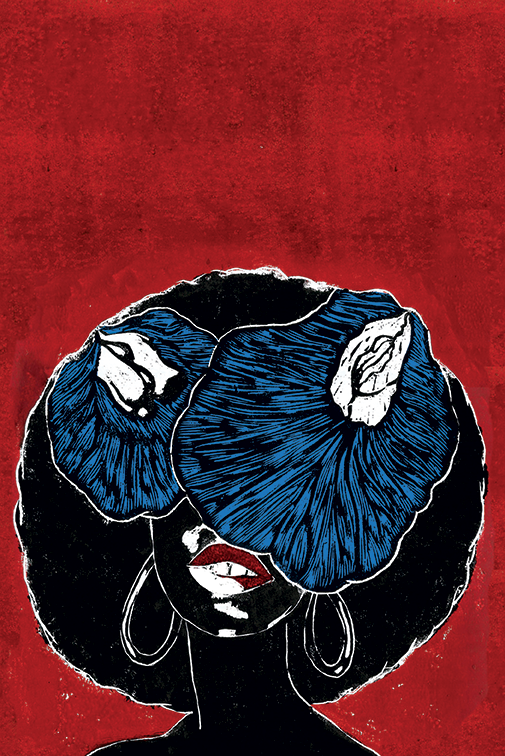
ختاماً، يأتي الانفجار في جزء ’الحواس كافة‘ (All Senses) حيث النصوص تمزج المشاعر لتبدو كحالة تأهّب لنصل إلى اللذة القصوى، إلى النشوة.
طبعاً، لا شيء يفصل بوضوح بين هذه القصائد والحكايات. بعضها رقيقٌ بتلميحه. الإثارة تُشغِل الحواس كافّة، والأهمّ أنّها تُشغِل الرأس، فهُنا مقام كلّ ما يحدث والجسد بكامله يستجيب. لقد نظَّمتُ القصائد وفقاً لما أثارته فيّ عند قراءتها، ولكم الحريّة في مخالفة رأيي هذا. لكن بالنسبة لي، الرغبة تنبع من حاسّة معيّنة ومن ثم تنفجر، وثمّة لذّة في تتبّع مسار الرغبة وتحديد أيٍّ من الحواس استقلّت.
إنّ القدرة على تحويل الإثارة إلى فنّ تعني تحرير أنفسِنا من الأحكام المسبقة والسجون ووصمات العار كلّها التي حبَسَنا فيها هذا المجتمع المُتمَحوِر حول العرق الأبيض.
كلّما تقوم كاتبة سوداء بتحويل الشبقيّ إلى فنّ فهي تخلع السلاسل العنصرية المؤذية التي تشلّ جسدها وتقمع جنسانيتها وتجعل منّا غرضاً لجشع الآخرين. إنّ كتابة الشعر الشبقيّ هي استعادة لسلطتها على جسدها وهي التنقّل بلا خوف بين ملذّات الرغبة من أجل ذاتها ومن أجل الآخرين ومن أجل الحياة.
الكتابات الأدبية الشبقيّة هي نحن عندما نتّخذ الشكل الفنّي. الشكل الذي يتيح لنا إظهار أفضل ما لدينا وآرائنا في الحبّ الملأى لذّة والمتبّلة بشهوة أجسادنا والتي تُترجَم عبر وَعْينا الفنّي. نحن متنوّعات، وهنا نشارككم هذا التنوّع في الأحاسيس عبر الكلمات المُشبَعَة إثارة. صحيح، حتّى كلماتنا ترشَح برغبتنا الجنسية وترطّب آياتنا وتجعل من شهواتنا قصائدَ. النشوة، بالنسبة لنا، إنجاز.
أن تكون عقولنا وأجسادنا وجنسانياتنا سوداء هو أمرٌ ضروري لاستئناف لذّتنا واستعادة نشوتنا. عندها فحسب نصير أحراراً. هذه العملية برمّتها إنجازٌ وهي لا تخلو من الألم. لكنّه من المفرح أن نجد أنفسنا في مكان مختلف جداً عن حيث تمّ وضعنا.
أشعر أنّي لكنّ/لكم، أنّي لنا. تذوّقوا هذه الكلمات العذبة معنا، تلذّذوا بها، ولْتَكُن وليمة.
هذا النص مقتبس من مقدمة كتاب «O Livro Negro Dos Sentidos» وهي تشكيلة قصائد شبقيّة لثلاثٍ وعشرين كاتبة سوداء.

This journal edition in partnership with Kohl: a Journal for Body and Gender Research, will explore feminist solutions, proposals and realities for transforming our current world, our bodies and our sexualities.
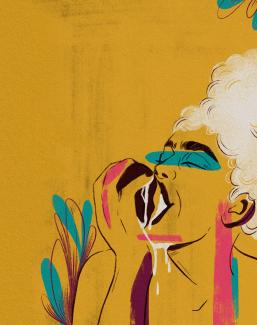
نصدر النسخة هذه من المجلة بالشراكة مع «كحل: مجلة لأبحاث الجسد والجندر»، وسنستكشف عبرها الحلول والاقتراحات وأنواع الواقع النسوية لتغيير عالمنا الحالي وكذلك أجسادنا وجنسانياتنا.
Tous nos processus de changement reposent sur les relations que nous établissons dans des espaces comme les forums de l'AWID, où l'on danse ensemble, où l'on fait ressortir son humour, sa vraie personnalité, où l'on raconte des histoires. C'est ce qui fait la différence.
- Nicky Mcintyre, États-Unis
THE TURTLE'S RAGE tells the story of a mysterious man, whose life has been molded by flight, expulsion, life in exile and the failed return to Palestine. The film is composed of a daughter's search for answers from her father.
تصوير مريم مكيوي
ترجمة فيفيان عقيقي
 |
 |
 |
| تُعرَف أيضًا باسم “شبكة تيتا للأبحاث”. دائرة الكتابة: العصبةُ المتآمرة هي مجموعة عابرة للقوميات من الكتّاب الكويريين والنسويين الذين يتشاركون في الكتابة الجماعية والتفكير وصنع العالم. أعضاء المؤامرة هم: أحمد قيس منهزم، أحمد عوض الله، ألينا آخنباخ، باربرا ديندا، سيندي سلامة، دلال الفارس، ديباراتي سركار، فرح جلال عثمان، ج. دانييل لوثر، جان مخلوطة، لينا قليلات، حنا الطاهر، ماريا نجار، مايا بهاردواج، مادوليكا سنكار، ملاك الأكحل، ميريام عمري، نيحاريكا بانديت، نور المزيدي، رؤيا حسن، سارة البنا، سارة تونسي، شيرين شلاح، وازنة زندن، زينب أحمد. | وازنة زندن (wazina.com) أفغانية نشأت في مدينة نيويورك، يركز عملها على جمع ورواية القصص المتعلقة بالذكريات الجماعية وطقوس العبور في الشتات. بصفتها تقدم آداءات روائية غير رسمية ولا تتبع منهجية معينة، تساهم وازنة في تقديم عرض بعنوان الخروج من المختبأ: الأفعال الراديكالية المتعلقة بالحب. يعد هذا العرض آداءًا شخصيًا لسرد قصص تجسد تجربة أن يكون المرء كويريًا ومسلمًا في آن. تقدم وازنة هذا الآداء إلى جانب نظيرتها الإبداعية وأختها الروحية ترنا دلي جيادو. حاليًا، تعمل على “الإيمان: في الحب / الإيمان في الحب” الذي (يعيد) تتبع قصة علاقة والديها ونصوص الحب الموروثة من العائلة. |
الحبّ هروب في الجحيم
الحبّ أسيد يذوِّب الحانات
لكن أنت، أنا والغد
نمسك أيدينا ونتعاهد
بأنّ هذا الكفاح سوف يستمرّ
للمنشار حدّان
للبندقية ماسورتان
نحن حبالى الحرّية
نحن مؤامرة
من واجبنا الكفاح من أجل الحرّية
من واجبنا الفوز
يجب أن نحبّ بعضنا وندعم بعضنا
لا يوجد ما نخسره سوى قيودنا
«الحبّ» لأساتا شاكور
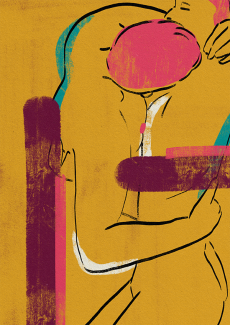
هذا هو السؤال الذي تطرحه وازنة زوندُن في مذكّراتها «بصمة حبّ». «بصمة حبّ» هو تطواف، تداخل، انحراف يَخلق (أو يعيد خلق)، عند تقاطع المقابلات والمقالات الشخصيّة، قصص عائلاتنا ورؤىً عن الحبّ والشراكة والرومانسية. بتوجيهٍ من وازنة، اجتمعت مؤامرة كتّاب الدائرة، وحاولت إعادة إنتاج هذا المُخطّط الحرفي على شكل كتابة جماعيّة، حيث تُكمِّل قصصنا وهويّاتنا الجنسية والجندرية المُختلفة بعضها البعض، وتتناقض فيما بينها. مع تداخل أصواتنا، نُكمِّل جُمَلَ بعضنا لنخلق محادثة، تذكاراً، وأجزاء من أنفسنا تتحدّث إلى الـ»نحن».
أنا من يُسمّى «حادثة سعيدة». هناك الكثير من الروايات عن الأمر – حياة عرضية، إنّما مطلوبة في الوقت نفسه. أظن أنّ هذه هي طريقتي في الحبّ، فأنا لا أقع في الحبّ فقط؛ أنا أخاطر بانزلاق يؤدّي إلى السقوط. ربّما جعلني الأمر شخصاً قدره الحبّ.
قيل لي إنني طفلة غير مرغوب فيها. لذلك كَبِرت لأصبح شخصًا بالغًا غير مرغوب فيه. أصول «بصمة حبّ» تستند إلى كوني شخص غير مرحّب به بالأساس. أنا لستُ ثمرة حبّ أو أي مشاعر سعيدة، بل ثمرة ألَم وعبء. ليس لديّ بصمة حبّ – أقلّه بهذا المعنى.
أعرف أنّ والديّ كانا في حالة حبٍّ في مرحلة ما، لكنّ الصحّة العقلية شيطان، إلى حين يواجه المرء شياطينه، لا يوجد ربح.
لن أربط أبداً «الحبّ» بوالديّ أو عائلتي. كان الحبّ الذي يكبر مليئًا بالعنف والمسؤوليّات التي لم أشترك بها ولم أكن مستعدّة لها. شعرت لوقت طويل أنّ الحياة والحبّ يدوران حول حِملٍ مُرهِق وشاقّ. بينما كان والدايْ «يحبّان بعضهما البعض»، كانت روحٌ سامّة من العنف والغيرة وانعدام الأمن تنمو أيضاً. نشأتُ وأنا أتوق إلى الاستقرار، وهذا ما أنا عليه الآن. أنا مُجازفة، لكن ليس في «مساحة الحبّ».
لا أعرف لماذا اختارت والدتي استضافة طفل (أنا) في داخلها. هي لا تحبّ بهذا الشكل.
قالت لي والدتي إنّه إذا كان عليّ التفكير في «إيجاد» الحبّ، أن لا أنظر إلى زواجها كنموذج. تأتي «بصمة حبّ» بدلاً من تربية كلب على مدار عقدين ماضيين (18 عامًا لأكون دقيقة). والعكس صحيح أيضًا – لقد ربّوني. بتّ أفهم المزيد عن الحبّ وطبقاته العديدة في صحبتهم.
لم أعرف الحبّ من «بصمة». في منزلنا لا نتحدّث عن الحبّ. كان عليّ أن أعلّم نفسي كيف أحبّ. لقد كان عملاً صعباً. ما زلت أفشل، وما زلت أحاول وأفشل كلّ يوم. ربّما الفشل هو بصمة حبّي.
بصمة حبّي هي الرعاية والدفء والفهم الذي أعطيهم للمُحيطين بي، سواء كانوا غرباء أم أصدقاء أم أقارب أم عشيقاً. بصمة حبّي سياسيّة – غير محسوبة وغير مدروسة.
وُلدتُ تحت قصف عنيف. بصمة حبّي هي بصمة سلبية عن تلك الأحداث.
أعرف ما هو ليس حبّاً أكثر ممّا أعرف الحبّ.
الحبّ ليس قلقاً ولا ذعراً.
الحبّ لا يطلب الإذن ليعيش أو يتنفّس. إنه الحبّ، ولا يوجد حبّ من دون حرّية.
كلّ ما تفعله هو استخدام قلبك من دون الحبّ. الحبّ هو أن تستخدم عقلك.
أحيانًا أخشى أن تضيع لغة حبّي في الترجمة.
--- هناك طرق عدّة
لرسم أصول
كيف
وكيف لا
تحبّ
الحبّ
ليس حبّاً
الحبّ كافٍ فقط
الحبّ بعيد جدّاً
بعض الحبّ
بعض الخسارة
لتحبّ
لتحبّ الخسارة ---
لا أستطيع تحمّل فكرة الزوجين. لا يمكنني تحمّل فكرة العيش بمفردي أثناء الشيخوخة أيضًا. لقد سئمتُ من القيام بالأعمال المنزلية بمفردي، والانتقال من منزل إلى آخر بمفردي، ودفع الإيجار والفواتير بمفردي... أتخيّل إصابتي بجلطة دماغية وأنا بمفردي، وهذا يخيفني. ليس لديّ خطّة «شراكة». أريد عالمًا يمكنني فيه الزواج من صديق، وشراء منزل مع صديق، وعدم ممارسة الجنس.
أن نحبّ كثيرين لا يفسد الحبّ المُشترك بين شخصين. سواء كان الحبّ رومانسيًا أم لا فهذا ليس مهمّاً حقًا.
عندما أفكّر في علاقاتي الرديئة، أُدرك أنني مُرتبطة بعلاقة تدرّبتُ لأكون فيها. مع كلّ «راديكاليّتي» لم أتخلّص بعد من الأعراف الجندرية القذرة.
حاجتي إلى الاستقرار «ليست جذّرية» بما فيه الكفاية. أريد الخروج من هذه الوصمة. أريد شيئًا لم أحصل عليه من قبل. أريد أن أجعله جم
--- بصمة حبّ – أحبّ شمّ الكتب لمعرفة مكان طباعتها
أحاول التفكير في أصل فهمي وممارستي الحبّ
هل نحتاج إلى أصول، فهو ليس مثل النقاء؟ لا طهارة ولا أصل للحبّ.
لماذا يتبادر الفهم والممارسة إلى الذهن وليس «العاطفة»؟ ---
عندما أتّصل بوالدَيْ، لا أغلق الهاتف بعد قول الوداع، لكي أتمكّن من سماع أصوات المنزل.
أثناء دفني وفق طقوس المذهب السنّي، أريد أن يجتمع كلّ الرجال والنساء معاً. لا أفهم سبب عدم القدرة على توديع الموتى من جنس مختلف؟ سوف تكون مراسم دفني وفق الطقوس السنّية لأن والدتي قد ترغب بذلك. سوف يكون دفني صديقاً للبيئة. لا حاجة لوضع شاهد فوق قبري. أنا أحبّ كلّ طقوس الدفن. القرآن جيّد، لكنّي أريد موسيقى أيضًا. أحبّ أسمهان جدّاً، وأم كلثوم، وذا ستون روزيز.s.
لديّ قائمة تشغيل من الاثنين إلى الجمعة، وقائمتان مختلفتان لعطلة نهاية الأسبوع: واحدة ليوم السبت والأخرى ليوم الأحد. أودّ ممّن يحبّوني أن يشغّلوا الموسيقى التي كنت أستمع إليها مع الالتزام بقوائم الأيّام – هناك هامش حرّية في اختيار الأغاني طالما يلتزمون بقوائم التشغيل.
أريد أن أكون مُحاطة بمن أحبّني، ولو للحظة. مع الموسيقى والأزهار المقطوفة. لا أريد أن يشعروا بغيابي. أريد أن أموت على وقع ضحكات من أحبّهم.
أريد أن يتذكّروني كشخص يحبّ.
لست بحاجة للشعور بالحبّ في الموت. أريد ممّن حولي أن يشعروا بأنني أحبّبتهم، حتّى بعد موتي. أن تكون محبوبًا في الموت هو أمر مُرتبط بمَن لا يزالون على قيد الحياة. لذلك أفكّّر أكثر في كيفيّة لقائنا معًا كمجتمع حيّ ومحبّ في موت مَن نحبّهم ونعيش معهم. كيف نأخذ ذكرياتهم معنا. كيف نصبح أرشيفاً لحياتهم.
--- في بعض الأحيان يمكنك أن تحبّ الناس في موتهم فقط --
عليّ التفكير في الجسد المُتّصل بمساحة. عائلتي صغيرة جدًا، وعلى الرغم من أننا نأتي من أماكن مختلفة، لكن يبدو كما لو أن كلّ جيل انتقل إلى مكانٍ جديد. ربّما هذا هو سبب عدم ارتباط الموت بمكان خاص: مقبرة. من الشائع في عائلتنا دفن الموتى من دون أسماء أو شواهد قبور، أو ترك الرماد يتحرّر بتطايره مع الريح. أشعر بسلام إذا كان ذكري مُنفصلاً عن المكان. مجرّد التفكير بأن رمادي يُخصّب حياة جديدة، وأنّه يتمّ ذكري في أوقات التسلية والفرح، يعطيني إحساسًا بأنني محبوبة. توفّيت جدّتي في وقت سابق من هذا العام بسبب مضاعفات اللقاح. بعد ساعتين من وفاتها، جلست عائلتي تضحك على نكاتها، وطريقتها المُضحكة في سرد القصص. ضحكنا وشعرنا بالحبّ وكأنّها تجلس معنا مرّة أخرى. هذا ما قد يجعلني أشعر بسلام – تخصيب التراب، وتخصيب الأحاديث، والتذكّر الجماعي.
--- هناك
شارعان أسلكهما
للمشي
للهرب
للّعب
للبقاء
هناك
خمس ساعات تكون أشعة الشمس
حادّة
السماء زرقاء
الأرض خضراء
هناك
زهرة أستطيع
شمّها
لمسها
عصرها
واقتلاعها
هناك
أصدقاء أستطيع
ضمّهم
طعام
أستطيع
ابتلاعه
لغة
تخرج
عبر شفتيّ
ربّما لا يزال هناك
أماكن عدّة
وأشياء
وناس
من بعدي ---
ربّما يكفيني وعد بـ»الاحتفاء بذكري مكانياً» كما لو أنني نبتة يجري الاعتناء بها حتّى تصبح شجرة. لا إسم ولا لوحات تعريفيّة – النبتة/ الشجرة فقط مع عِلمٍ مُسبق بأنّه سوف يتمّ الاعتناء بها. بالنسبة لجسدي، أريد أن أُحرَق من دون أي طقوس، وأن يُرمى رمادي في بحر العرب.
أريد أن يتمّ التعامل مع جسدي بشكل تخريبي كما لو أنّه على قيد الحياة.
لا أريد أن أدفن إلى جانب عائلتي. في هذا الدُرج الصغير إلى جانب كلّ الأشخاص الذين لم يعرفوني أبدًا. محاصرة بالموت كما كنت في الحياة. أريد أن أُحرَق، وأن يتمّ تحرير رمادي أخيراً.
أريد أن يُسمح لي بالمرور، لا الوقوف ما بين بين، لكي يكون ذلك وجوداً، عملية نشطة، تجاوز.
سأطلب منكم:
أريد أن يتذكّروني من خلال الحبّ الذي تركته. أريد التخلّي عن جسدي وأعضائي لتغذية الحبّ في حياة أو حياوات أخرى.
--- رائحة الياسمين ---
This journal edition in partnership with Kohl: a Journal for Body and Gender Research, will explore feminist solutions, proposals and realities for transforming our current world, our bodies and our sexualities.
نصدر النسخة هذه من المجلة بالشراكة مع «كحل: مجلة لأبحاث الجسد والجندر»، وسنستكشف عبرها الحلول والاقتراحات وأنواع الواقع النسوية لتغيير عالمنا الحالي وكذلك أجسادنا وجنسانياتنا.
We are monitoring this and other risks carefully, and will publish comprehensive health and safety information when the registration opens, so you could make an informed decision. In addition, the hybrid format is designed to provide a meaningful engagement experience to the participants who will prefer not to travel or are not able to travel.
Un réseau complexe et mouvant d’acteur·rice·s antidroits exerce aujourd’hui une influence croissante dans les espaces internationaux et nationaux, ainsi qu’au niveau des politiques locales. Les antidroits pénètrent les espaces multilatéraux de collaboration entre pays, dans le but de les transformer et les saboter de l’intérieur. C’est en s’appropriant le langage des droits et de la justice pour travestir leurs véritables intentions qu’ils et elles parviennent à acquérir une certaine légitimité.
Ce rapport est le deuxième d’une série sur les droits humains, produite par l’Observatoire sur l’universalité des droits (OUR). Outre une analyse des principales parties antidroits, de leurs discours, stratégies et impacts, ce rapport inclut des nouvelles féministes pleines d’inspiration et des exercices de renforcement des connaissances qui nous permettront d’assurer notre résistance collective.
Les conséquences sur nos droits sont déjà importantes, mais il est encore possible de réagir. Nous pouvons toutes et tous participer à la résistance face aux programmes antidroits et récupérer nos droits.
Rejoignez l’appel à l’action collective dès aujourd’hui!
Au nom du Conseil d’administration, je souhaite exprimer notre plus profonde gratitude, notre appréciation et tout notre respect pour Hakima Abbas et Cindy Clark, nos deux extraordinaires codirectrices exécutives ces cinq dernières années, qui quittent leurs fonctions pour laisser place à un nouveau leadership de l’AWID, alors que nous entrons dans une nouvelle phase de la vie de notre organisation avec un nouveau plan stratégique. Elles ont systématiquement mis en application les meilleurs principes de leadership organisationnel féministe et d’éthique du soin lorsqu’elles nous guidaient, lors des temps bien troubles et imprévisibles de la récente histoire du monde, cette syndémie de COVID-19 et la spirale politique mondiale descendante qui s’en est suivie. Elles ont tenu l’AWID, notre personnel et notre CA fermement, doucement et avec amour alors que nous éprouvions toutes et tous ces situations inconnues. Elles se sont également accrochées à la vision et à la mission de l’AWID lorsqu’elles ont dû, avec respect et stratégie, réagir aux différents changements, dont la difficile annulation du forum de l’AWID.
Reconnaissant tout à fait le potentiel immense qui existe au sein de l’équipe actuelle, le CA a décidé de privilégier un processus de recrutement en interne dans un premier temps. Nous pensons terminer cette transition d’ici la fin de l’année 2022. Hakima et Cindy décaleront leur départ, pour permettre une transition en douceur vers le nouveau leadership.
Il est difficile pour le Conseil d’administration et d’autres, qui ont travaillé étroitement avec elles et qui les aiment, de voir Cindy et Hakima quitter l’AWID. Rassurez-vous, le CA de l’AWID mène ce processus de transition de manière à ce que les belles marques indélébiles et inspirantes que laissent Hakima et Cindy soient inscrites dans les quatre décennies de notre histoire. Nous assurerons l’arrivée et le soutien de la nouvelle direction et veillerons à ce que ce processus nous inspire à faire mieux encore à cette étape de la vie de l’AWID.
Les grandes transformations dans les organisations ne sont jamais simples ni faciles. Elles sont parfois contraintes, hors du contrôle de quiconque, tendues, voire destructrices. J’ai vu, mais vous aussi, des exemples de telles transitions. Il arrive également que les besoins et les aspirations du personnel soient alignés avec ceux de l’organisation. Bien que nous n’ayons ni choisi ni souhaité le départ de Cindy et Hakima, leur décision et l’entrée de l’AWID dans un nouveau plan stratégique et une nouvelle décennie d’existence sont alignées. Et mieux que tout encore, nous sommes entre les mains merveilleuses, super compétentes, créatives et féministes du personnel et du CA de l’AWID.
Nous vous remercions, chers mouvements féministes, pour votre confiance dans l’AWID. Nous vous demandons également de soutenir notre transition de leadership au cours des mois à venir. Continuons à construire, approfondir et renforcer nos connexions, comme nous le faisons depuis 40 ans.
Nous reviendrons vers vous dans les prochaines semaines pour vous tenir au courant de nos mises à jour et des évolutions concrètes.
Avec solidarité et amour féministes,
Margo Okazawa-Rey,
Présidente, Conseil d’administration de l’AWID
Por favor, calcula los costos de viaje a Bangkok, alojamiento y viáticos, visado, cualquier necesidad de accesibilidad y gastos incidentales, además de la tarifa de inscripción que se anunciará próximamente. Los hoteles en la zona de Sukhumvit en Bangkok tienen un rango de precios de USD$50 a $200 por noche en ocupación doble.
Lxs afiliadxs de AWID reciben un descuento al registrarse, por lo tanto, si aún no te has sumado a la membresía, te invitamos a considerar unirte y formar parte de nuestra comunidad feminista global.