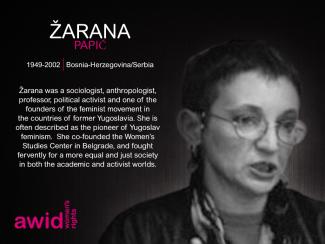
Zarana Papic
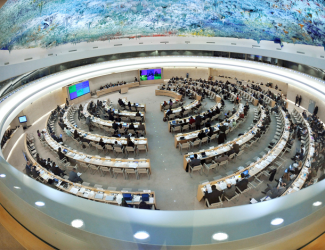
Le Conseil des droits de l'homme (CDH) est un organe intergouvernemental clé du système des Nations Unies, responsable de la promotion et la protection des droits humains autour du globe. Il se réunit trois fois par an en session ordinaire, en Mars, Juin et Septembre. Le Bureau du Haut-Commissariat des Nations Unies aux Droits de l’Homme (HCDH) constitue le secrétariat pour le CDH.
Débat et adopte des résolutions sur les questions globales des droits humains ainsi que sur la situation des droits humains dans des pays particuliers
Examine les plaintes des victimes de violations des droits humains et des organisations activistes, au nom des victimes de violations des droits humains
Nomme des experts indépendants (que l'on connaît sous le nom de « Procédures Spéciales ») pour réviser les cas de violation des droits humains dans des pays spécifiques, ainsi que pour examiner et suivre des questions globales relatives aux droits humains
Prend part à des discussions avec les experts et les gouvernements sur les questions de droits humains
Évalue les bilans des États membres de l'ONU en matière de droits humains tous les quatre ans et demi, dans le cadre de l'examen périodique universel.
La prochaine session du CDH a lieu à Genève, en Suisse, du 30 juin au 17 juillet 2020.
AWID travaille avec des partenaires féministes, progressistes et du domaine des droits humains pour partager nos connaissances clé, convoquer dialogues et évènements avec la société civile, et influencer les négociations et les résultats de la session.
The Forum theme––Rising Together––is an invitation to engage with our whole selves, to connect with each other in focused, caring and brave ways, so that we can feel the heartbeat of global movements and rise together to meet the challenges of these times.
Feminist, women’s rights, gender justice, LBTQI+ and allied movements around the world are at a critical juncture, facing a powerful backlash on previously-won rights and freedoms. Recent years have brought the rapid rise of authoritarianisms, the violent repression of civil society and criminalization of women and gender-diverse human rights defenders, escalating war and conflict in many parts of our world, the continued perpetuation of economic injustices, and the intersecting health, ecological and climate crises.
Our movements are reeling and, at the same time, seeking to build and maintain the strength and fortitude required for the work ahead. We can't do this work alone, in our silos. Connection and healing are essential to transforming persistent power imbalances and fault lines within our own movements. We must work and strategize in interconnected ways, so that we can thrive together. The AWID Forum fosters that vital ingredient of interconnectedness in the staying power, growth and transformative influence of feminist organizing globally.
Cómo los movimientos resisten las agendas fascistas en relación con el cambio climático.
📅 Martes 11 de noviembre de 2025
📍 Hotel Beira Rio, Belém, Pará
On September 2nd, 2021, the amazing feminist and social justice activists of AWID’s Crear | Résister | Transform festival came together not only to share resistance strategies, co-create, and transform the world, but also to talk dirty on Twitter.
The exercise was led by Nana Darkoa Sekyiamah, co-founder of the blog Adventures From The Bedrooms of African Women and author of The Sex Lives of African Women, who paired up with the Pan-Africanist digital queer womanist platform AfroFemHub, to ask the question: How can we safely and consensually explore our pleasure, desires, and fantasies via text?
I believe this is a critically important question because it looks at the larger issue of how one navigates the online world with a feminist understanding. Under capitalism, discourse around bodies and sex can be dehumanizing and distorting, and navigating sexual pleasure in virtual spaces can feel performative. So seeking out avenues where we can explore how we share our desire in ways that are affirming and enthusiastic can push back against dominant models of presentation and consumption to reclaim these spaces as sites for authentic engagement, proving that all sexting should be just that: feminist.
Plus, allowing feminist discourse to embody its playful side in online discourse helps reframe a popular narrative that feminist engagement is joyless and dour. But as we know, having fun is part of our politics, and an inherent part of what it means to be feminist.
Using the hashtag #SextLikeAFeminist, scholars and activists from all over the world chimed in with their thirstiest feminist tweets, and here are my top ten.
As these tweets show, it turns out that sexting like a feminist is sexy, funny – and horny. Yet, it never loses sight of its commitment to equity and justice.
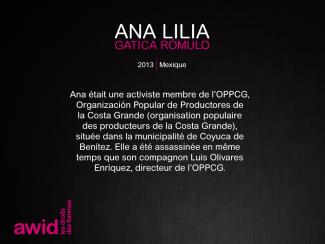
Claudia est Professeure en Egalité et équité pour le développement, psychologue féministe, activiste en faveur de la défense des droits humains depuis 30 ans et des droits des femmes depuis 24 ans.
Claudia, qui travaille au Salvador, est co-fondatrice et directrice générale de l’association Mujeres Transformando, et défend depuis 16 ans les droits du travail des travailleuses du secteur des maquiladoras textiles et de l’habillement. Elle a collaboré à la formulation d’initiatives législatives, à des propositions de politiques publiques et de recherches visant à améliorer la qualité de l’emploi pour les femmes travaillant dans ce secteur, en plus de travailler sans relâche au renforcement de l’organisation et de l’autonomisation des ouvrières des maquiladoras textiles et des couturières à domicile.
Elle participe activement à des actions de plaidoyer à l’échelle nationale, régionale et internationale pour la défense et la revendication des droits du travail de la classe ouvrière du Sud mondial d’un point de vue féministe, anticapitaliste, anti-patriarcal et dans une perspective de prise de conscience de la classe et du genre. Elle fait partie du Conseil d'administration de l'Initiative Spotlight et du Groupe national de référence de cette dernière. Elle fait également partie du Groupe consultatif de la société civile de l'ONU Femmes.
L'enquête "Où est l'argent?" #WITM est maintenant en ligne ! Plongez dans l'enquête et partagez votre expérience du financement de votre organisation avec des féministes du monde entier.
En savoir plus et participer à l’enquête!
Les mouvements féministes, en faveur des droits des femmes et leurs allié-e-s du monde entier s’opposent au pouvoir et imaginent de nouvelles politiques de libération. Des ressources économiques et politiques aux actes quotidiens de résistance et de survie, les contributions qui viennent nourrir ce travail revêtent de nombreuses formes.
L’initiative de l’AWID, Ressources des mouvements féministes (Resourcing Feminist Movements, RFM), met en lumière l’écosystème de financement actuel, qui va des modèles d’attribution des ressources auto-générée aux voies de financement officielles.
A travers nos recherches et analyses, nous examinons de quelles façons les pratiques de financement pourraient mieux servir nos mouvements. Nous faisons une étude critique des contradictions propres au “financement” de la transformation sociale, compte tenu notamment de la répression politique croissante, des programmes anti-droits et du pouvoir grandissant des entreprises. Mais surtout, nous élaborons des stratégies collectives en appui à des mouvements fleurissants, solides et résilients.
Créer et élargir les alternatives : Nous développons les pratiques de financement qui accordent une place prépondérante aux priorités des activistes et impliquons un large éventail de donateurs et d’activistes dans la création de nouveaux modèles dynamiques d’attribution de ressources en faveur des mouvements féministes, en particulier dans un contexte qui voit l’espace de participation de la société civile diminuer considérablement.
Enrichir nos connaissances : Nous explorons, échangeons et consolidons nos connaissances sur la façon dont les mouvements attirent, organisent et utilisent les ressources qui leur sont nécessaires pour entreprendre des changements significatifs.
Plaider : Nous travaillons en partenariat, comme avec le Count Me In! Consortium, afin d’influencer les programmes de financement et permettre aux mouvements féministes d’être en dialogue direct pour déplacer le pouvoir et l’argent.

Manifestations mondiales des mouvements pour la justice climatique.
📅 Samedi 15 novembre 2025
📍 Lieux multiples
Site web en anglais
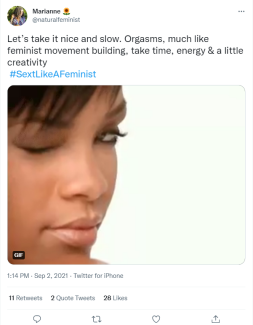
Vamos despacio y con amabilidad. Los orgasmos, como la construcción de los movimientos feministas, llevan tiempo, energía y un poquito de creatividad.
Michelle is a Southeast Asian feminist who enjoys conspiring to bring people together and spark conversations for social change and feminist knowledge sharing, through art, poetry, music and games. With a background in digital advocacy and communications strategy development, she has contributed to initiatives in digital rights, human rights research, and civil society coalition building throughout Southeast Asia. She has an LLB from National University of Singapore, enjoys following her feet down random city streets and likes coffee a little too much.
“ภารกิจในชีวิตของฉันไม่ใช่แค่การอยู่รอดเท่านั้น แต่ยังต้องเจริญเติบโตอีกด้วย และทำให้เต็มที่ด้วยแรงปรารถนา ด้วยความเห็นอกเห็นใจ ด้วยอารมณ์ขัน และมีสไตล์” - มายา แองเจลู (Maya Angelou)
เวทีการประชุมนานาชาติ AWID เป็นทั้งกิจกรรมชุมชนระดับโลกและพื้นที่ของการเปลี่ยนแปลงของปัจเจก บุคคลอย่างสิ้นเชิง เป็นการประชุมที่ไม่เหมือนใคร คือเป็นที่รวบรวมนักสตรีนิยม นักปกป้องสิทธิสตรี ความยุติธรรมทางเพศ LBTQI+ และพันธมิตรในขบวนการเคลื่อนไหวเพื่อมนุษยชาติอันหลากหลาย เพื่อเชื่อมต่อ เยียวยาและเติบโต เวทีนานาชาตินี้เป็นพื้นที่ที่นักสตรีนิยมจากทั่วทุกมุมโลก รวมถึงจากประเทศในกลุ่มโลกใต้ และชุมชนชายขอบที่ไม่ได้รับการเหลียวแลมาอย่างยาวนาน เป็นศูนย์กลางในการวาง ยุทธศาสตร์ร่วมกัน และเคลื่อนไหวเพื่อความยุติธรรมทางสังคม เพื่อเปลี่ยนอำนาจ สร้างพันธมิตร และ สร้างโลกที่แตกต่างและดีขึ้น
เมื่อผู้คนทั่วโลกมารวมตัวกันทั้งในฐานะปัจเจกบุคคลและองค์กรเคลื่อนไหว เราสามารถสร้างพลังอันยิ่งใหญ่ จึงขอเชิญท่านร่วมกิจกรรมกับเราที่กรุงเทพฯ ประเทศไทยในปี 2567 มาร้องเพลง เต้นรำ วาดฝัน และลุกขึ้นพร้อมกัน
วันที่: 2–5 ธันวาคม 2567
สถานที่: กรุงเทพฯ ประเทศไทย; และทางออนไลน์
ผู้เข้าร่วม: นักสตรีนิยมจากทั่วโลกเข้าร่วมด้วยตนเอง ณ สถานที่จัดงานประมาณ 2,500 คน และเข้าร่วม
ทางออนไลน์ 3,000 คน
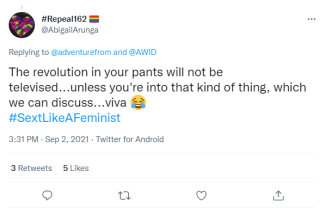
La révolution dans ton froc ne passera pas à la télé… sauf si ce genre de truc t’excite, ce dont on peut parler… en personne [emoji visage avec des larmes de joie].
Eni Lestari es una trabajadora de casa particular (doméstica) que vive en Hong Kong y es activista por los derechos de lxs migrantes. Tras escapar de un empleador abusivo, dejó de ser víctima y se transformó en organizadora de lxs trabajadorxs de casa particular y de lxs migrantes en general. En 2000 fundó la Association of Indonesian Migrant Workers [Asociación de Trabajadoras Migrantes de Indonesia, ATKI-Hong Kong] que luego se expandió a Macao, Taiwan e Indonesia. Fue coordinadora y una de las voceras del Asia Migrants Coordinating Body [Organismo Coordinador de Migrantes de Asia, AMCB], alianza de organizaciones de base en Hong Kong que reúnen a migrantes de Indonesia, Filipinas, Tailandia, Nepal y Sri Lanka. Actualmente preside la Alianza Internacional de Migrantes, primera alianza global de migrantes de base, inmigrantes, refugiadxs y otras personas desplazadas.
Ha ocupado cargos importantes en distintas organizaciones como Asia Pacific Forum on Women, Law and Development [Foro de Asia-Pacífico sobre Mujeres, Derecho y Desarrollo, APWLD] cuyo Consejo Regional integra. También formó parte del Consejo Directivo de la Alianza Contra la Trata de Mujeres (GAATW), fue vocera de la Network of Indonesian Migrant Workers [Red de Trabajadrxs Migrantes de Indonesia, JBMI], consejera de ATKI-Hong Kong y Macao así como de la Association of Returned Migrants and Families in Indonesia [Asociación de Migrantes y Familias Retornadas en Indonesia, KABAR BUMI]. Ha sido ponente en foros organizados por la academia, grupos interreligiosos, sociedad civil, sindicatos y muchas otras entidades en espacios nacionales, regionales e internacionales.
También ha participado activamente en asambleas/conferencias de la ONU sobre desarrollo y derechos de lxs migrantes y fue elegida para hablar en la apertura de la Asamblea General de la ONU sobre Grandes Desplazamientos de Migrantes y Refugiados realizada en 2016 en la ciudad de Nueva York, Estados Unidos. Recibió nominaciones y reconocimientos como ser incluida entre las mujeres que inspiran de la serie 100 Women de la BBC; Heroína pública (RCTI), Mujer influyente en la categoría lideresa del sector sin fines de lucro (Cámara Estadounidense en Hong Kong), Hacedora de cambios (Cathay Pacific) y un premio del Club Indonesio.
การเสวนา: ในการเสวนาให้สำรวจปัญหาหรือความท้าทายจากมุมมองที่แตกต่างกัน หรือแบ่งปัน การเรียนรู้หรือประสบการณ์ ตามด้วยคำถามของผู้ฟังหากมีเวลา
รายการทอล์คโชว์: สนทนาแบบเป็นไปเองในรูปแบบรายการทอล์คโชว์ โดยอาจเป็นการสนทนา ร่วมกันหลายคน มีพิธีกรเป็นผู้ดำเนินรายการ คำถามของผู้ฟังสามารถกำหนดทิศทางของการสนทนาได้
การอภิปราย: วงสนทนาอภิปรายอาจอยู่ในรูปแบบเวิร์ลคาเฟ่ วงอ่างปลา (fishbowls) และรูปแบบอื่นๆ ที่เอื้อให้ผู้เข้าร่วมมีส่วนร่วมในการสนทนามากขึ้น
การประชุมเชิงปฏิบัติการ (workshop): เป็นกิจกรรมเชิงโต้ตอบที่เชิญชวนผู้เข้าร่วมสร้างทักษะใหม่ๆในทุกด้านของชีวิตและการเคลื่อนไหวผ่านกิจกรรมและการปฏิบัติ
หัวข้อยุทธศาสตร์: เป็นการเชิญชวนให้คิดผ่านประเด็นหรือยุทธศาสตร์ในเชิงลึกร่วมกับคนอื่น เปิดพื้นที่ สำหรับเรียนรู้กันและกัน สิ่งใดได้ผล ไม่ได้ผล และเราจะพัฒนายุทธศาสตร์ใหม่ๆร่วมกันเพื่อสร้างโลกที่ เราใฝ่ฝันได้อย่างไร
วงแลกเปลี่ยนของคนแนวเดียวกัน: (หรือที่เรียกว่า "Birds of a Feather") เหมาะสำหรับกลุ่มเล็กๆ ในบรรยากาศที่ใกล้ชิดยิ่งขึ้น เพื่อรับฟังความคิดเห็นของกันและกัน จุดประกาย การอภิปราย และ หยิบยกประเด็นหัวข้อที่เฉพาะเจาะจง ละเอียดอ่อน และซับซ้อนอย่างระมัดระวัง
ศิลปะ - การประชุมเชิงปฏิบัติการแบบมีส่วนร่วม: กิจกรรมศิลปะอย่างมีส่วนร่วม และการแสดงออก อย่างสร้างสรรค์ ไม่ว่าจะเป็นทัศนศิลป์ การละคร ภาพยนตร์ จิตรกรรมฝาผนัง การเต้นรำ ดนตรี งานฝีมือ หรือการสร้างงานศิลปะ ฯลฯ เรายินดีรับทุกแนวคิดที่เชิดชูศิลปะ และความคิดสร้างสรรค์แนวสตรีนิยมใน รูปแบบของการเปลี่ยนแปลงทางสังคม การเยียวยา การแสดงออก และการเปลี่ยนแปลง
ศิลปะ - การแสดง ศิลปะจัดวาง และนิทรรศการ: เรายินดีรับผลงานที่นำเสนอประสบการณ์ และมุมมองใหม่ๆแก่ผู้เข้าร่วมประชุมในเวทีนี้เพื่อขยายขอบเขตของเรา สร้างความท้าทายและสร้าง แรงบันดาลใจ ให้เราคิด รู้สึก และจัดการด้วยวิธีใหม่ๆ
การเยียวยาและบำบัด: กิจกรรมหลากหลายที่เหมาะกับกลุ่มและปัจเจกบุคคล ตั้งแต่การเรียนรู้เทคนิค การผ่อนคลาย ไปจนถึงการพูดคุยถึงการป้องกันภาวะหมดไฟ และตั้งแต่การดูแลร่างกาย จิตใจและ จิตวิญญาณ โดยคำนึงถึงบาดแผลทางจิตใจ ไปจนถึงการเยียวยารอยร้าวในขบวนการเคลื่อนไหวของเรา

Lindiwe Rasekoala is a life coach who specializes in intimacy and relationship wellness coaching. She is a sexual health enthusiast and online contributor. Through her own experiences and unconventional methods of research, she believes she can bridge the education gap and lack of access to information around sexual wellness. She is a contributor on various radio and television shows, and has completed her coach training with the Certified Coaches Alliance. Lindiwe’s mission is to break down the barriers to conversations around sexual wellness and to empower her clients to achieve greater understanding of themselves so that they can experience a more healthy and holistic lifestyle and relationships.