L´AWID est une organisation féministe mondiale qui consacre ses efforts à la justice de genre, au développement durable et aux droits humains des femmes
Forum de l'AWID : Co-créer nos horizons féministes
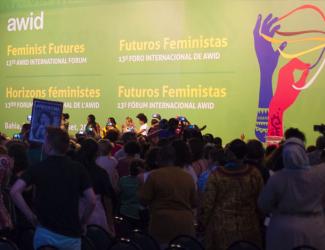
En septembre 2016, 1800 féministes et défenseur-e-s des droits des femmes venu-e-s des quatre coins de nos mouvements se réunissaient sur les côtes de Bahia à l’occasion du 13ème Forum international de l’AWID.
Cette section met l’accent sur les victoires, les enseignements et les ressources qui ont couronné nos conversations. Nous vous invitons à l’explorer, la partager et laisser vos impressions.
L’un des principaux éléments à retenir de ce Forum a été la nécessité d’élargir et d’approfondir notre travail de collaboration entre mouvements pour faire face à une montée des fascismes et des fondamentalismes, une exacerbation de la cupidité des entreprises et un changement climatique en progression.
L’AWID a donc travaillé avec plusieurs allié-e-s pour ériger ces semences de résistance :
Les mouvements peuvent aussi bénéficier d’une nouvelle méthodologie pour envisager nos horizons féministes. (à venir bientôt !)
A travers son prochain plan stratégique et le processus de son Forum, l’AWID s’engage à poursuivre et approfondir les rapports, les apprentissages et les processus amorcés lors du Forum 2016, tout en s’inspirant de l’actualité.
Et maintenant ?
Le monde est bien différent de celui qu’il était l’an dernier et il continuera à changer dans les années à venir.
Le prochain Forum de l’AWID se tiendra dans la région Asie-Pacifique (les dates et le lieu exacts seront annoncés en 2018). Nous attendons avec impatience de vous y retrouver !
A propos du Forum de l’AWID
Les Forums de l’AWID ont vu le jour en 1983, à Washington DC. Depuis, ils revêtent de nombreux aspects et incarnent, selon les personnes, tantôt un processus itératif visant à affiner nos analyses, notre vision et nos actions, un évènement clé galvanisant les féminismes des participant-e-s et leurs organisations ou un espace politique offrant refuge et solidarité aux défenseur-se-s des droits humains.
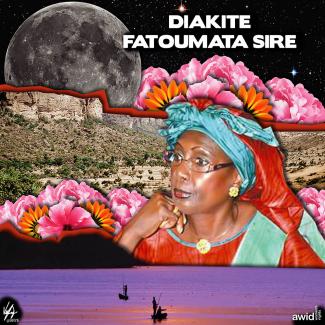
Diakite estuvo activamente comprometida con la defensa de las mujeres en la vida política y pública de Mali.
Trabajó para apoyar la capacitación de candidatas electorales y habló en contra de la práctica de la mutilación genital femenina (MGF). Fue una firme defensora de la salud y los derechos reproductivos.
Join the Feminist Realities journey (Forum page)
Join the Feminist Realities journey
The AWID Forum is just one stop in the Feminist Realities journey. Let’s travel this path together and explore our power in action!
Freeing the Church, Decolonizing the Bible for West Papuan Women
By Rode Wanimbo (@rodwan986), Jayapura, Papua Province of Indonesia
“Lord, we are unworthy. We are the ones who committed sin for Eve ate the fruit in Eden. We are just women who grow sweet potatoes, look after pigs and give birth to children. We believe you died on the cross to set us free. Thank you, In Jesus’s name Amen.”
This is a typical prayer of women I have heard during my visits to ministries in several villages. Even I said the same prayer for many years.
I was born and grew up in Agamua, the Central Highlands of West Papua. My father belongs to the Lani tribe and my mother comes from Walak.
In Lani and Walak languages - languages spoken in the Central Highlands - tiru means a pillar. There are four tiru (pillars) standing firmly in the middle of the Lani roundhouse (honai), around wun’awe or a furnace. Tiru is always made of the strongest type of wood called a’pe (ironwood tree). The longer the wood gets heated and smoked from the fire in the honai, the stronger it becomes. Without tiru, the honai cannot stand firm. West Papuan women are these tiru.
West Papua is located in the western part of the New Guinea island, containing some of the world’s highest mountains, densest jungle, and richest mineral resources. It is home to over 250 groups and has an incredible biodiversity. Due to its natural wealth, West Papua has, over the centuries, been targeted by foreign occupiers. Until 1963, we were colonized by the Dutch. However in 1969, after a manipulative political act, we were transferred from the Dutch to Indonesia.
The first German missionaries arrived in Mansinam Island, Manokwari, in 1855. Then, in the 1950s, Christianity was brought to the Central Highlands of West Papua by Protestant missionaries of European descent from America, Canada, Australia and New Zealand.
According to Scripture in Genesis 1: 26-27, Man and Woman are created in the image of God. It means all humanity is made with the call and capacity to exercise dominion. Radah, the Hebrew word for dominion, means stewardship. Radah is not a call to exercise imperial power as declared by Pope Nicolas V, granting Catholic nations the right to “discover” and claim dominion over non-Christian lands. To diminish the capacity of humans to exercise dominion, is to diminish the image of God on earth (Lisa Sharon Harper, The Very Good Gospel).
The Evangelical Church of Indonesia (GIDI) was established as an institution in 1963. In the Sunday Service liturgy of GIDI, Women are considered unworthy to take any responsibility except collecting offerings. In 2003, after 40 years, the Department of Women was introduced within the structure of the Synod leadership.
In November 2013, I was entrusted to be a chairperson of the Women’s Department of the GIDI Synod.
Together with several other women leaders, we started a cell group that is committed to “decolonizing the Bible.” We learn together how to reconstruct the interpretation of biblical texts to champion women.
A feminist theologian named Elisabeth S Florenza calls it a feminist hermeneutic theory (Josina Wospakrik, Biblical Interpretation and Marginalization of Woman in the Churches of West Papua).
Besides the cell group, we interview our elderly women to collect our ancestors’ wisdom and values. As Bernard Narakobi in his book The Melanesian Way said: “Our history did not begin with contact with the Western explorers. Our civilization did not start with the coming of the Christian missionaries. Because we have an ancient civilization. It is important for us to give proper dignity and place to our history”.
Yum is a knotted net or woven bag handmade from wood fiber or leaves. Yum is highly valued for it symbolizes life and hope. When women of Lani and Walak get married, our maternal aunts put yum on our heads. It means we bear the responsibility for giving life and for providing food. Yum is used to carry garden produce as well as being used as a container to put a baby to sleep in as it gives warmth and a sense of security.
“West Papuan Women are Yum and Tiru” became the prime references as we contextualized women in the eyes of Jesus Christ in seminar and focus group discussions. From 2013 to 2018, we focused on reconstructing the view of women in GIDI and in gaining a healthy self-image. We are still in the process of understanding who we are to Jesus, rather than who we have been told we are by theologians and the fathers of the early Churches. Josina Wospakrik, a West Papuan Theologian said “The Gospel is incredibly rich but it was impoverished due to human ambitions and agendas.”
Since 2018, the GIDI Women Leadership team and I have formulated four priority programs: Decolonizing the Bible, Storytelling in a circle, Training of trainers for Literacy and Gender. The fourth, supported simple bookkeeping and savings groups workshops facilitated by Yapelin and Yasumat, which are faith based organizations established by GIDI leaders to reach the economic, social and health needs of women in the communities.
Storytelling in a Circle
In this programme we create a safe space for women to talk - each woman has a story. We all sit together and learn how to be good listeners.
“I became Christian and was taught that the government is God’s representative. Why did the government do nothing when the army burnt down my village and killed my relatives?” asked one woman in the storytelling circle. “My aunt was raped.” She stopped for a while. Could not talk. She cried. We all did.
The process of storytelling has driven us into deep conversation. We began to contextualize Biblical texts within our daily realities.
We started asking questions amongst ourselves: Where is God in our toughest times? Does the state government truly represent God on earth? Why does the Creator allow privileged people to destroy His own image in the name of Christianity and Development? During the process, I realized that I have been reading the Bible using somebody else’s glasses.
The church has to be a safe place to share stories and be a place of comfort to be still and rest. As we reflect on the testimonies, those who tell their stories begin the process of recovering from wounds and trauma.
Financial Literacy for Women
Culturally, West Papuans invest in relationships. The concept of saving is understood as an investment in relations, not in a bank account. And while the Indonesian central government has granted special autonomy to respond to West Papuans’ demand for self-determination, many government policies harm the quality of family life and they do not account for women’s lives. High illiteracy rates amongst women mean most women do not have access to a bank account. With no money saved, access to medical services becomes a struggle.
Through the priority programmes, Yapelin, with the active involvement and support of women, created saving groups in Bokondini and Jayapura. The saving groups are chaired by women who have access to a bank.
In coordination with Yayasan Bethany Indonesia (YBI) and Yayasan Suluh, a faith-based organization (FBO) based in Jayapura, we facilitated four literacy workshops. The literacy team facilitated the training of trainers in three different dioceses: Merauke, Sentani, and Benawa. We now have 30 facilitators in different congregations who run literacy programs.
Lack of financial support for our programs will not stop us. Being stigmatized as rebels will not stop us from standing up and speaking in church evaluation meetings and conferences. It is stressful but I am committed together with several women leaders to calling on the power-holders within to free the church.
The Gospel known as Good News should become news that liberates women from a very patriarchal circle of power, liberates women from social stigma and returns women to the original purpose of The Creator.
The Gospel must be a mirror to reflect who we are collectively. As Lisa Sharon Harper, in her book The Very Good Gospel said “The Gospel is not only about an individual’s reconciliation with God, self and communities. But also speaks on systemic justice, peace between people groups and freedom for the oppressed”.
Rode Wanimbo is the chairperson of the Women’s Department of Evangelical Church of Indonesia (GIDI).
“Offerings for Black Life”
By Sokari Ekine (@blacklooks), New Orleans
Coming from a place of healing and self-care is a political act that guides us to be focused and to move as one. In New Orleans, we created and will be creating altars in honour of those murdered by police and white supremacists vigilantes!
Andaiye' en swahili significa 'una hija vuelve a casa'. Nació como Sandra Williams el 11 de septiembre de 1942 en Georgetown, Guyana, y cambió su nombre por el de 'Andaiye' en 1970, cuando los movimientos del Black Power [Poder Negro] arrasaron en su país y en la región del Caribe.
Andaiye fue considerada una figura transformadora al frente de las luchas por la liberación y la libertad. Fue una de lxs primerxs integrantes y líder activa de la Working People’s Alliance [Alianza de la Gente Trabajadora] (WPA, por sus siglas en inglés), un partido socialista de la Guyana que luchó contra el régimen autoritario existente y continuó, a lo largo de su vida, centrando su activismo en la justicia para la clase trabajadora y los derechos de las mujeres rurales, y en la superación de las barreras étnicas entre las mujeres Indo y Afro-Guyanesas.
Andaiye fue cofundadora de la Red Thread Women [Hilo Rojo Mujeres], una organización que aboga para que el trabajo de cuidados de las mujeres fuese remunerado justamente, también trabajó en la Universidad de West Indies y con el CARICOM. Andaiye señaló, sin ningún temor a desafiar a los gobiernos, los desequilibrios de género en las juntas estatales, la discriminación de lxs trabajadorxs sexuales en las leyes existentes, reclamó el derecho al aborto en Jamaica, y se pronunció abiertamente contra los acuerdos comerciales como el Caribbean Single Market and Economy [Mercado y Economía Únicos del Caribe] (CSME, por sus siglas en inglés) que permitía la libre circulación de las trabajadoras domésticas migrantes, pero no otorgaba esos mismos derechos a sus hijxs.
Andaiye publicó varios ensayos académicos, escribió columnas de prensa y también editó los últimos libros de Walter Rodney, un activista político guyanés y líder de la AMP, que fue asesinado en 1980. Andaiye sobrevivió a un cáncer y fue una de lxs fundadorxs de la Guyana Cancer Society [Sociedad de Guyana Contra el Cáncer] y del Cancer Survivors’ Action Group [Grupo de Acción de Sobrevivientes del Cáncer]. También fue integrante de la Junta Directiva de la Caribbean Association for Feminist Research and Action [Asociación Caribeña para la Investigación y la Acción Feminista] (CAFRA, por sus siglas en inglés), y Directora del Help and Shelter [Ayuda y Refugio] e integrante de la Junta Directiva de la Guyana National Commission on Women [Comisión Nacional de Guyana sobre las Mujeres]. Andaiye recibió varios premios a lo largo de su vida, entre ellos, la Flecha de Oro de los Logros de Guyana (el cuarto premio nacional más importante del país).
Andaiye falleció el 31 de mayo de 2019 a la edad de 77 años. Los homenajes que posteriormente le rindieron activistas, amigxs y personas inspiradas por su vida dan cuenta, elocuentemente, de su asombroso legado y su hermosa humanidad.
Algunos ejemplos:
"Andaiye tuvo un profundo efecto en mí... fue tantas cosas: una educadora, una luchadora; me enseñó a ser autocrítica, a pensar con más claridad, me enseñó sobre la supervivencia, sobre lo increíble que puede ser el coraje, sobre la compasión, a ir más allá de las apariencias externas y a tratar a la gente como personas y no dejarse distraer por su estatus, clase, raza... o cualquier otra cosa". Peggy Antrobus, activista feminista, autora, académica, Barbados.
"El tipo de idealismo convencido que Andaiye expresó, su voluntad de confrontar el mundo y su creencia obstinada en que realmente lo puedes cambiar... Esa política de la esperanza... ¿De qué otra forma podemos rendir homenaje a su vida, legado y memoria si no es haciendo nuestro trabajo de forma ética y con una autocrítica continua? Y situando el trabajo de cuidados de las mujeres en el centro de todo esto." - Tonya Haynes, Barbados.
"Puedo escuchar sus ocurrencias en nuestro entusiasmo colectivo. Así, a través de las lágrimas, puedo reír. Mis más profundas reverencias a ti, querida Andaiye, gracias por todo. Te deseo amor y luz para el viaje de tu espíritu. Saluda a Walter y a todxs lxs ancestrxs". - Carol Narcisse, Jamaica.
¡Bienvenidxs a Crear | Résister | Transform: un festival para movimientos feministas!
Principios de participación para el Festival
AWID está comprometida con la creación de un espacio virtual que nos invite y desafíe a todxs a funcionar desde un lugar de valentía, curiosidad, generosidad y responsabilidad compartida.
Te invitamos a crear conjuntamente con nosotrxs espacios libres de acoso y violencia, donde todas las personas sean respetadas en su identidad y expresión de género, raza, capacidad, clase, religión, idioma, etnia, edad, ocupación, tipo de educación, sexualidad, tamaño corporal y apariencia física. Espacios donde reconozcamos las desigualdades que prevalecen en nuestro mundo, y nos esforcemos por transformarlas.
Queremos crear un espacio donde:
podamos estar “presentes”:
Esto significa escucharnos, comprendernos y vincularnos. Sentirnos cerca, a pesar de la virtualidad. Para eso, contaremos con interpretación y abriremos canales (como el chat y otras herramientas) para reaccionar y compartir. Para lograr escucharnos mejor, les invitamos a utilizar audífonos o auriculares durante la sesión. Si puedes hacerlo, te sugerimos cerrar tus correos electrónicos y cualquier otra posible distracción mientras estás en la conversación.
todas las formas de conocimiento son valoradas:
Celebremos los distintos saberes y las múltiples formas en que estos se expresan. Nos acercamos al espacio con curiosidad y apertura para aprender de otrxs y permitiéndonos desaprender y reaprender a partir del intercambio, sentando las posibilidades para la construcción colectiva de conocimiento.
todxs nos sintamos bienvenidxs:
Estamos comprometidxs con un enfoque holístico de la accesibilidad, conscientes de las diferentes necesidades físicas, mentales, de idioma y de seguridad. Queremos un espacio que acoja a gente de contextos, creencias, capacidades y experiencias diversas. Seremos proactivxs, pero también te pedimos que nos comuniques tus necesidades, para que, dentro de nuestras posibilidades, nos ocupemos de satisfacerlas.
todxs nos sintamos segurxs y respetadxs:
Asumimos compromisos individuales y colectivos de respetar la privacidad y contar con el consentimiento de otrxs para difundir imágenes o contenido generado durante la conversación.
Crear un ambiente más seguro, respetuoso y disfrutable para las conversaciones es responsabilidad de todxs.
Cómo reportar
Si notas que alguien se está comportando de forma discriminatoria u ofensiva, por favor, contacta a la persona de referencia que se indicará al comienzo de la sesión.
Cualquier participante que se exprese con lenguaje opresivo o imágenes ofensivas será eliminadx de la videoconferencia y no será admitidx nuevamente. No interactuaremos con esa persona de ninguna manera.
Snippet - WITM Our objectives - PT
Os nossos objetivos da pesquisa WITM:
1
Fornecer a membres da AWID, parceires do movimento e financiadores uma análise atualizada, robusta, baseada em fatos e orientada para a ação das realidades do financiamento de movimentos feministas e do estado atual do ecossistema do financiamento feminista.
2
Identificar e demonstrar oportunidades para transferir mais recursos de maior qualidade para a organização feminista, expor soluções falsas e interromper tendências que fazem com que o financiamento não seja bem-sucedido e/ou se mova contra a justiça de género e objetivos feministas interseccionais.
3
Articular visões, propostas e objetivos feministas para a justiça no financiamento.
« C’[elle] était une personne qui se caractérisait par son travail acharné en faveur de la défense des droits humains et la construction de la paix à Nariño, notamment dans la municipalité de Samaniego-Nariño » - Jorge Luis Congacha Yunda pour Página10
Paula Andrea Rosero Ordóñez était avocate au sein du bureau du Ministère public à Samaniego, Nariño, l’agence principale qui défend les droits des citoyen·ne·s en Colombie.
Elle s’est concentrée sur les droits civils et politiques, les enjeux d’impunité et de justice, et a contribué à dévoiler les abus de pouvoir, dont la corruption. Elle a également participé à des projets de construction de la paix dans sa ville natale, Samaniego, comme le Conseil municipal pour la paix et le Bureau municipal de femmes.
Paula a reçu des menaces de mort après avoir exposé une gestion irrégulière des ressources, de même que porté plainte contre des actes de corruption au sein de l’Hôpital Lorencita Villegas dans la municipalité de Nariñense. Elle a été assassinée le 20 mai 2019, lorsque deux hommes se sont approchés d’elle et l’ont abattue à bout portant.
FRMag - United against violence (FR)
Ensemble contre la violence
par Karina Ocampo
C’est dans un recoin caché du Chiapas, au Mexique, que nous sommes arrivées, femmes et dissidentes sexuelles, pour organiser nos actions. (...)
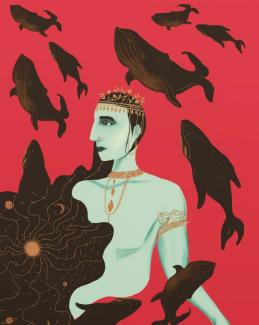
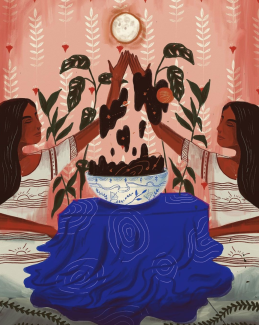
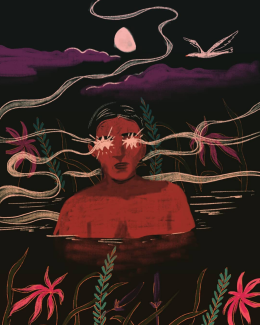
Forgotten Song (Chanson Oubliée)Ode to the Moon (Ode à la Lune)Vapour and Fire (Vapeur et Feu)
À propos d’Upasana Agarwal
Upasana est un·e illustrateurice et artiste non binaire basé·e à Kolkata, en Inde. Son travail explore l'identité et les récits personnels en partant d’un vestige visuel ou d’une preuve des contextes avec lesquels iel travaille. Iel est particulièrement attiré·e par les motifs qui, selon Upasana, communiquent des vérités complexes sur le passé, le présent et l'avenir. Quand Upasana n'est pas en train de dessiner, iel organise et dirige un centre d'art communautaire queer et trans dans la ville.
AWID Community Jobs board - FR
Bourse d'emploi communautaire
Êtes-vous à la recherche d'un emploi? L'un des avantages de rejoindre la Communauté de l'AWID est d'avoir accès à notre tableau d'offres d'emploi organisé par la communauté. Vous aurez l'occasion d'explorer de nouvelles opportunités et vous aurez également la possibilité de partager des postes vacants et des appels à propositions avec tous les membres.
Snippet FEA Intro Acknowledgments (EN)
We would like to thank the Amar.ela collective of women feminists activists and creatives who made this series possible, and especially Natalia Mallo (the team’s octopus) for her support and accompaniment throughout this journey.
We also extend our deepest gratitude and admiration to all the collectives and people who participated in this project, and we thank them for sharing their time, wisdom, dreams and hopes with us. We thank you for making this world a more just, feminist and sustainable one.
We hope the rest of the world will be as inspired by their stories as we are.
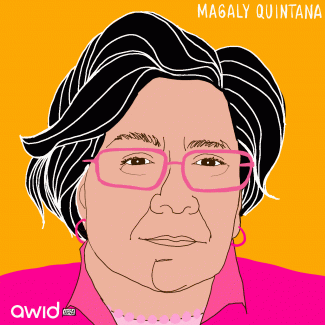
Magaly Quintana was known by many in Nicaragua as ‘La Maga’ (meaning wizard). She was a feminist historian, activist, and an unyielding defender of women’s rights demanding justice for the victims of femicide.
Magaly was committed to documenting and building statistics on women and girls who were killed as a result of sexual violence in the country.
“She rebuilt the life of each one, of their families, to show those lives that had been torn away.” - Dora María Téllez
Magaly also criticized the government for reforming Law 779 addressing violence against women. A product of the hard work of Nicaraguan women’s movements, this law included important provisions to criminalize femicide before its reform. She argued that legislative reforms weakened the law and limited the definition of femicides to homicides, as a result invisibilizing violent crimes against women.
Magaly’s feminist organizing began in the early 1980s. She was the director of Catholic Women for the Right to Choose, advocating for the right to therapeutic abortion after it was banned in 2006. In 2018, she supported the protests against Daniel Ortega’s government.
Magaly was born in May 1952 and passed away in May 2019.
“See you later, my dearest Magaly Quintana. Thanks so much, thanks for your legacy. We’ll see you again, as strong and powerful as ever.”- Erika Guevara Rosas (American Director of Amnesty International)