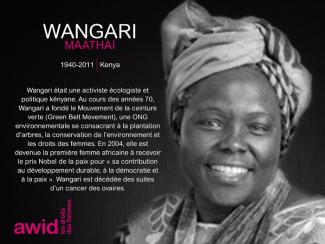
Wangari Maathai
Au cours des dernières années, nous avons observé une nouvelle tendance inquiétante dans les espaces internationaux consacrés aux droits humains. Les discours axés sur « la protection de la famille » sont en effet utilisés pour défendre des violations des droits de membres de la famille, pour renforcer et justifier l’impunité des auteurs de ces violations et pour restreindre l’égalité des droits au niveau de la vie familiale.
La campagne en faveur de la « Protection de la famille » est motivée par une volonté conservatrice d’imposer des conceptions « traditionnelles » et patriarcales de la famille et de priver les membres de la famille de leurs droits pour les transférer à « l’institution familiale ».
Depuis 2014, un groupe d’Etats travaille de front dans les espaces dédiés aux droits humains sous le nom de « Group of Friends of the Family » (Groupe des ami-e-s de la famille) ; des résolutions sur la « Protection de la famille » ont été adoptées chaque année depuis 2014.
Ce programme s’est propagé au-delà du Conseil des droits humains. Nous avons observé l’introduction d’un discours régressif autour de la « famille » à la Commission sur la condition de la femme, ainsi que des tentatives d’introduction dans les négociations sur les Objectifs de développement durable.
L’AWID travaille avec des partenaires et des allié-e-s pour s’opposer ensemble à la « Protection de la famille » et à d’autres programmes régressifs et défendre l’universalité des droits humains.
En réponse à l’influence croissante d’acteurs régressifs au sein des espaces dédiés aux droits humains, l’AWID a rejoint des allié-e-s afin de créer l’Observatoire sur l'Universalité des droits (OURs) (site en anglais). L’OURs est un projet de collaboration qui surveille, analyse et diffuse les informations concernant les initiatives anti-droits telles que la « Protection de la famille ».
Le premier rapport de l’OURs, Nos droits en danger, trace une cartographie des acteurs et actrices qui constituent le lobby mondial anti-droits et identifie leur réthorique et stratégies clés ainsi que leur impact sur les droits humains.
Le rapport précise que le programme de « Protection de la famille » a développé une collaboration entre un large éventail d’acteurs régressifs aux Nations Unies, qu’il décrit comme « un cadre stratégique abritant des positions anti-droits et patriarcales multiples, où le cadre vise entre autres à légitimer et institutionnaliser ces positions. »
Este kit incluye ejemplos de mensajes para ser utilizados en Twitter, Facebook y LinkedIn, como así también imágenes que puedes usar para acompañar a estos mensajes.
La utilización de este kit es muy simple. Solo tienes que seguir estos pasos:
Descarga aquí tus imágenes favoritas:
Twitter
Facebook
Instagram
Combina estos mensajes con las imágenes para Twitter
Yo voy al #AWIDForum. Es EL lugar para conectar con los movimientos por los derechos de las mujeres y la justicia social ¡Únete a mi!: http://forum.awid.org/forum16/es
¡Ya quiero re-imaginar los #FuturosFeministas c/ otrxs activistas x los DD. de las mujeres y la justicia social en el #AWIDForum! Únete: http://forum.awid.org/forum16/es
Me entusiasma poder asistir al Foro de AWID el próximo mes de mayo ¡Ahora ya podemos registrarnos! ¡Únete a mi! http://forum.awid.org/forum16/es
Se encuentra abierta la inscripción para participar del #AWIDForum! en Costa do Sauípe, Brasil, 8-11 de sept 2016: http://forum.awid.org/forum16/es
Únete al #AWIDForum, un encuentro histórico global de activistas x los derechos de las mujeres y la justicia social: http://forum.awid.org/forum16/es
Únete al #AWIDForum para celebrar los logros de nuestros movimientos y las lecciones aprendidas para seguir avanzando http://forum.awid.org/forum16/es
El #AWIDForum, no es solo un evento sino una oportunidad para confrontar la opresión y promover el avance de la justicia: http://forum.awid.org/forum16/es
Únete al #AWIDForum para celebrar, pensar estrategias y renovar nuestros movimientos y a nosotrxs mismxs: http://forum.awid.org/forum16/es
Construyamos juntxs los #FuturosFeministas. Inscríbete al #AWIDForum. Costa do Sauípe, Brasil: http://forum.awid.org/forum16/es
Únete a nosotrxs para re-imaginar y crear juntxs los #FuturosFeministas en el #AWIDForum. Inscríbete: http://forum.awid.org/forum16/es
#FuturosFeministas: aprovecha el momento en el #AWIDForum para promover nuestras visiones de un mundo mejor: http://forum.awid.org/forum16/es
Seremos 2000 activistas de movimientos sociales en el #AWIDForum, pensando estrategias para nuestros #FuturosFeministas http://forum.awid.org/forum16/es
Somos mucho más que una sola lucha. Únete a nosotrxs en el #AWIDForum: http://forum.awid.org/forum16/es
Únete al #AWIDForum, un espacio para pensar estrategias entre movimientos y hacer uso de nuestro poder colectivo: http://forum.awid.org/forum16/es
Movilicemos la solidaridad y el poder colectivo entre movimientos sociales en el #AWIDForum: http://forum.awid.org/forum16/es
Rompamos el aislamiento entre nuestros movimientos. Re-imaginemos y creemos juntxs nuestros futuros en el #AWIDForum: http://forum.awid.org/forum16/es
Solidaridad es un verbo. Pongámosla en acción en el #AWIDForum: http://forum.awid.org/forum16/es
Donantes se comprometen con los derechos de las mujeres y los movimientos sociales en el #AWIDForum: http://forum.awid.org/forum16/es
Los medios de comunicación y los movimientos amplifican los #FuturosFeministas en el #AWIDForum: http://forum.awid.org/forum16/es
Combina estos mensajes con las imágenes para Facebook
Estos mensajes pueden ser usados en Twitter también vía mensaje privado directo, ya que allí no hay límites de carácteres.
Descarga tus imágenes favoritas para usar en Instagram
Tout à fait, ces questions sont facultatives, et nous reconnaissons votre droit à l’anonymat. Merci de répondre aux questions de l’enquête, peu importe votre décision quant à la mention du nom de votre groupe, organisation et/ou mouvement et de vos coordonnées.
Nous Sommes la Solution élève et développe le leadership des femmes rurales travaillant à des solutions africaines pour la souveraineté alimentaire.
Related content
The Guardian: Simone Veil, Auschwitz survivor and abortion pioneer, dies aged 89
BBC: Simone Veil: French politician and Holocaust survivor dies
Reuters: French Holocaust survivor and pro-abortion campaigner Simone Veil dies at 89
We will analyze the survey responses, derive insights and trends, and present the results during the 15th AWID International Forum in Bangkok, and online, in December 2024. Register to attend the Forum here!
Cooperativa Textil Nadia Echazú
Ahora que has analizado toda la información que recogiste — de la encuesta, las entrevistas, la investigación secundaria y otras fuentes que hayas utilizado — ya puedes generar el producto final.
En esta sección:
- El producto final
1. Escribe con claridad
2. Consigue que tenga un aspecto atractivo- Revisión y comentarios
1. Pule los resultados
2. Facilita los comentarios
El producto final será un documento que resume, analiza y critica la información que obtuviste. Será lo que compartas con la audiencia cuando les presentes tu investigación y se la expliques.
En AWID por lo general elaboramos un informe escrito exhaustivo en el que analizamos cada conjunto de información y sintetizamos todos los resultados que encontramos, para luego generar productos más breves como infografías o resúmenes (que explicaremos en la sección siguiente, «Finalización y formato»).
La importancia de la edición
El trabajo de edición implica corregir el texto, garantizar que la redacción sea concisa, revisar que los datos proporcionados sean exactos, señalar las inconsistencias que se deben resolver, acomodar el texto para que fluya y posiblemente también sugerir títulos.
Lo ideal es que la persona que haga este trabajo entienda y conozca tu labor en cuanto a WITM pero que no haya participado directamente de la investigación, así puede aportar una perspectiva nueva.
Recuerda: Cuanto más accesible sea el producto, más personas querrán leerlo (y compartirlo).
Cuando llegues a este momento, ya habrás compilado toda la información, la habrás analizado y convertido en un producto final, que probablemente sea un informe extenso.
Antes de encarar los pasos siguientes deberías compartir el producto final con organizaciones, activistas y donantes que puedan comentarlo (lxs «consultorxs»).
Este es un momento excelente para pedirles que revisen lo siguiente:
Una vez que hayas incorporado todos los comentarios de las personas a las que consultaste, asegúrate de que la persona a cargo de la edición vuelva a revisar el informe.
Con esto ya tendrás la versión final y completa del informe. Si quieres publicarlo en otros idiomas, ahora es el momento de enviarlo a traducir.
Las personas que revisen el informe (lxs «consultorxs») te estarán haciendo un aporte significativo. Considera la posibilidad de otorgarles alguna forma de reconocimiento.
6. Realiza una investigación secundaria

• 2 - 5 meses
• 1 persona (o más) de investigación
• 1 Editor (editor web o si crea un producto en línea)
• Traductores (si ofrece encuesta en varios idiomas)
• Lista de organizaciones de asesores, activistas y financiadores.
• Documento de Síntesis (sección de "marco de su investigación")
• Los resultados de su(s) encuesta(s)
• Preguntas de la entrevista
• Resultados de las entrevistas
• Los datos de la investigación secundaria
• Todos otros datos utilizados en el informe
6. Realiza una investigación secundaria
الاستطلاع هذا مخصّص للمجموعات، المنظمات والحركات التي تعمل بالأساس أو فقط على حقوق النساء، أفراد مجتمع الميم - عين، والحقوق الجندرية، في جميع السياقات، على جميع المستويات، وفي جميع المناطق. إن كان واحد من هذه المبادئ اساسًا لمجموعتكم/ن، تنظيمكم/ن أو شبكتكم/ن، أو أي نوع تنظيم آخر، إن كان مسجلاً أم لا، جديداً أو طويل العمر، ندعوكم/ن للإجابة على الاستطلاع.

*في الوقت الحالي، لا نطلب من الأفراد أو الصناديق النسوية أو النسائية تعبئة الاستطلاع.
تعرف على المزيد حول الاستطلاع: راجع/ي الأسئلة الشائعة
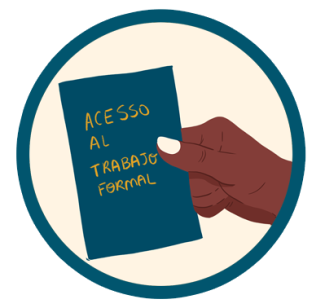
Solo el 18% de las personas trans y travestis en Argentina acceden a un trabajo formal
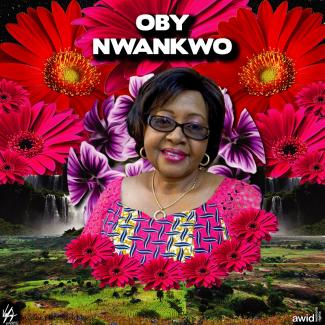
Avec une carrière juridique de plus de 30 ans à son actif, Oby était connue en Afrique et dans le monde comme une ardente défenseure de la justice de genre et des droits humains.
Elle a fondé le Centre de documentation et de développement des ressources civiles (CIRDDOC), une ONG nigériane qui sponsorise des formations et des activités de mise en réseau qui promeuvent les droits humains, la bonne gouvernance, l’accès à la justice et l’État de droit pour les membres de la société civile, les parlementaires, ainsi que d’autres parties prenantes concernées.
Au Nigeria, les activistes se souviennent d’Oby avec émotion, la qualifiant « d’activiste extraordinaire qui a fait preuve d’énergie et de passion pour lutter pour l’égalité de genre et la justice de genre au Nigéria et en Afrique »
Dans le contexte actuel, nous avons cerné cinq grandes menaces à la lutte pour des économies justes d’un point de vue féministe :
« La financiarisation fait référence à l'importance croissante des marchés financiers, des intérêts financiers, des institutions financières et des élites de la finance dans le fonctionnement de l'économie et de ses institutions de gouvernance, sur la scène nationale et internationale. » Gerald Epstein
Epstein Gerald A. 2006 ; Financialization and the World Economy, Editions Edward Elgar, en anglais seulement.
Les institutions financières exercent une forte influence sur la gouvernance économique et l’orientation des politiques de développement. La domination croissante du secteur des entreprises et des institutions financières internationales, dans le cadre de la définition des politiques publiques locales et mondiales, a abouti à la prise en otage de l'État dans l'intérêt du capital. Le système financier actuel, en ce compris les politiques controversées de crédit et d’endettement, font partie intégrante de l'expansion et de la reproduction des processus d'accumulation du capital.
Cela soulève des questions importantes sur la façon de réglementer et de repenser le système financier mondial, non seulement pour éviter les conséquences désastreuses des crises de la dette, mais également pour permettre des moyens de subsistance durables et la réalisation des droits économiques et sociaux sans périodes de recul.
Pour plus de détails, voir l'article de Balakrishnan et Heintz Debt, Power, and Crisis: Social Stratification and the Inequitable Governance of Financial Markets (Dette, pouvoir et crise : la stratification sociale et la gouvernance inéquitable des marchés financiers), disponible en anglais uniquement.
Au cours des 20 dernières années, les cadres des accords commerciaux (bilatéraux ou multilatéraux) ont été élargis, démontrant un intérêt accru pour les droits de propriété intellectuelle (DPI) à octroyer aux sociétés.
Les droits de propriété intellectuelle ont clairement bénéficié aux sociétés multinationales, causant d'énormes répercussions sur la capacité des nations et des peuples les plus pauvres à réaliser les droits humains, notamment :
En outre, la libéralisation de l'importation des produits agricoles a entraîné un afflux de produits bon marché et compromis l’emploi des agriculteur-trice-s indépendants dans les pays pauvres, ainsi que la sécurité alimentaire. Les dispositions de protection de l'investissement inscrites aux accords commerciaux limitent la marge de manœuvre des gouvernements nationaux leur permettant de créer et de faire respecter des règlements sur des questions aussi cruciales que la protection de l'environnement, le droit du travail et la durée des droits d'auteur.
En exposant les pièges de ces accords, les mouvements féministes ont été et sont toujours à la fine pointe de la résistance.
(Voir par exemple, les réactions de réseaux féministes du monde entier contre les négociations relatives au Partenariat transatlantique de commerce et d’investissement (PTCI) et au Partenariat transpacifique (PTP) (en anglais).
La marchandisation des ressources de la Terre, la dégradation environnementale et le changement climatique qui résultent de décennies d'industrialisation agressive, du pillage et de l'extraction liée aux ressources de la planète, ont endommagé la biodiversité et la résilience écologique. Ces dommages menacent maintenant l'existence de la société humaine elle-même.
La communauté internationale n'a pas réussi à modifier les modes de production et de consommation qui sont à la racine du problème. Au lieu de cela, les gouvernements, avec le soutien de grandes entreprises intéressées au profit, penchent en faveur d’une «économie verte». Cette approche favorise les « technologies économes en énergie » (y compris l'énergie nucléaire, les biocarburants, les organismes génétiquement modifiés et la géo-ingénierie) et les systèmes d’échanges de droits d’émission de carbone comme solutions miracles.
Les phénomènes d’accaparement des terres et de l'appropriation des ressources ne sont pas nouveaux et les résistances étaient déjà au cœur de l’histoire coloniale. Ce qui est nouveau, c’est la rapidité et la manière dont les terres et les ressources naturelles sont devenues des marchandises pour de nouveaux marchés.
Les institutions financières internationales jouent un rôle central dans la promotion des marchés fonciers dans les pays en développement. Ces institutions financent des réformes agraires qui permettent à de puissants acteurs financiers de faire main-basse sur des terres à des fins spéculatives en échange de maigres promesses d'emplois et de croissance. L'accaparement des terres a de profondes répercussions négatives sur l'accès des populations locales aux biens et services essentiels, sans compter les déplacements forcés et la dégradation de l'environnement qui y sont associés.
Les personnes qui résistent à l'accaparement des terres, parmi lesquelles des femmes défenseuses des droits humains, sont confrontées quotidiennement à diverses formes de violence, y compris les agressions physiques et les abus sexuels.
Ces fondements patriarcaux sont particulièrement hégémoniques dans les modèles néolibéraux actuels.
Les nombreuses manières dont l'économie politique et le développement sont liés à la sexualité ou au genre sont évidentes : pensez à la manière dont le capitalisme détermine ce qui est qualifié de travail et comment la ‘valeur humaine’ est fondée sur la productivité du travail salarié.
En règle générale, la position des femmes dans l'économie mondiale continue de reposer sur l’exploitation de leur travail fondée sur le genre : ce travail est sous-évalué et on retrouve essentiellement les femmes dans les emplois précaires, la sphère de la subsistance domestique et de la production non rémunérée et dans la sphère ‘reproductive’. Puisque le travail de reproduction est systématiquement associé au travail non rémunéré des femmes, il a fourni un immense soutien au capitalisme, en même temps qu’il est la source d'oppressions fondées sur le genre et l'assujettissement.
Cette situation est aggravée par le fait que dès lors où les mécanismes de protection sociale commencent à diminuer, le fardeau du travail des femmes augmente proportionnellement.
En outre, le phénomène de la migration mondiale, stimulé par des milliers de réfugiés économiques qui fuient la pauvreté endémique à travers le monde, n’est pas étranger au type de relations de pouvoir entre hommes et femmes du système capitaliste. Les fonds envoyés dans le pays d’origine deviennent une source importante de financement et de développement pour les familles et les communautés restées au pays. Ce phénomène a un coût important pour les femmes migrantes qui luttent pour gagner un salaire décent dans leur pays d’accueil.
Dans la même veine, nous avons vu comment les systèmes capitalistes patriarcaux font usage de la violence et de l'oppression pour maintenir le statu quo. La hausse des dépenses militaires mondiales et l’escalade de la violence perpétrée à la fois par des acteurs étatiques et non étatiques, sont des stratégies adoptées pour contrôler la dissidence, le corps et la voix des femmes et régler les différends économiques, politiques et sociaux.
Partout dans le monde, la violence, l'incarcération et la discrimination ciblent de manière disproportionnée :
Pour contester la violence structurelle et ses liens avec un système mondial capitaliste, nous devons procéder à une analyse intersectionnelle qui tienne compte du genre, de la race/de l'origine ethnique, de l'âge, des compétences, de la nationalité, de l'orientation sexuelle et de l'identité de genre des personnes, entre autres statuts.
La crise profonde du système actuel de gouvernance mondiale est également évidente lorsqu’on examine les maigres accords intergouvernementaux conclus et la façon dont ils manquent souvent de mécanismes de responsabilisation les plus fondamentaux. Le système multilatéral qui a servi la gouvernance mondiale par le passé ne parvient plus à répondre aux multiples crises actuelles. Ce même système continue d'être profondément antidémocratique, marqués par l’augmentation de la présence et de la puissance des sociétés qui occupent désormais les espaces précédemment réservés aux États.
Ces menaces nous forcent, nous les féministes, à repenser nos perspectives et nos stratégies, à renouveler et à réactiver notre engagement pour la construction d’un mouvement en faveur d’une économie juste, en partenariat avec d'autres mouvements.
Ces menaces nous incitent à envisager, d’une perspective féministe, de vastes programmes de transformation socioéconomique qui tiennent compte des réalités de la majorité des personnes démunies. Le temps est venu d’opérer les changements nécessaires pour mettre en place une économie juste et pour relever les défis systémiques persistants.

Укрепить наш коллективный голос и влияние на увеличение и улучшение финансирования феминистских организаций, организаций по защите прав женщин, ЛГБТКИ+ и смежных организаций по всему миру