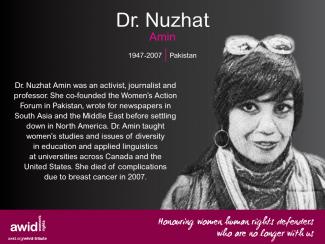
Dr. Nuzhat Amin
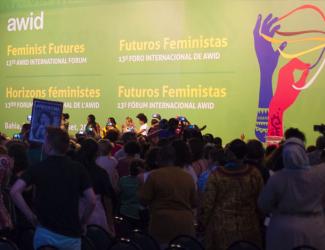
In September 2016, the 13th AWID international Forum brought together in Brazil over 1800 feminists and women’s rights advocates in a spirit of resistance and resilience.
This section highlights the gains, learnings and resources that came out of our rich conversations. We invite you to explore, share and comment!
One of the key takeaways from the 2016 Forum was the need to broaden and deepen our cross-movement work to address rising fascisms, fundamentalisms, corporate greed and climate change.
With this in mind, we have been working with multiple allies to grow these seeds of resistance:
And through our next strategic plan and Forum process, we are committed to keep developing ideas and deepen the learnings ignited at the 2016 Forum.
AWID Forums started in 1983, in Washington DC. Since then, the event has grown to become many things to many peoples: an iterative process of sharpening our analyses, vision and actions; a watershed moment that reinvigorates participants’ feminisms and energizes their organizing; and a political home for women human rights defenders to find sanctuary and solidarity.

Follow the campaign:
Join us!
Join our Membership| Join AWID Community
Stay updated
Questions?
Contact us: communications @ awid.org
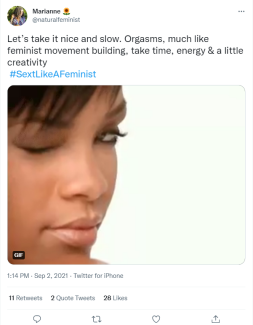
Vamos despacio y con amabilidad. Los orgasmos, como la construcción de los movimientos feministas, llevan tiempo, energía y un poquito de creatividad.

Nuestro informe anual 2012 destaca los momentos clave de nuestro trabajo durante el año para contribuir al avance de los derechos de las mujeres y la igualdad de género de manera audaz, creativa y efectiva en todo el mundo.
“ภารกิจในชีวิตของฉันไม่ใช่แค่การอยู่รอดเท่านั้น แต่ยังต้องเจริญเติบโตอีกด้วย และทำให้เต็มที่ด้วยแรงปรารถนา ด้วยความเห็นอกเห็นใจ ด้วยอารมณ์ขัน และมีสไตล์” - มายา แองเจลู (Maya Angelou)
เวทีการประชุมนานาชาติ AWID เป็นทั้งกิจกรรมชุมชนระดับโลกและพื้นที่ของการเปลี่ยนแปลงของปัจเจก บุคคลอย่างสิ้นเชิง เป็นการประชุมที่ไม่เหมือนใคร คือเป็นที่รวบรวมนักสตรีนิยม นักปกป้องสิทธิสตรี ความยุติธรรมทางเพศ LBTQI+ และพันธมิตรในขบวนการเคลื่อนไหวเพื่อมนุษยชาติอันหลากหลาย เพื่อเชื่อมต่อ เยียวยาและเติบโต เวทีนานาชาตินี้เป็นพื้นที่ที่นักสตรีนิยมจากทั่วทุกมุมโลก รวมถึงจากประเทศในกลุ่มโลกใต้ และชุมชนชายขอบที่ไม่ได้รับการเหลียวแลมาอย่างยาวนาน เป็นศูนย์กลางในการวาง ยุทธศาสตร์ร่วมกัน และเคลื่อนไหวเพื่อความยุติธรรมทางสังคม เพื่อเปลี่ยนอำนาจ สร้างพันธมิตร และ สร้างโลกที่แตกต่างและดีขึ้น
เมื่อผู้คนทั่วโลกมารวมตัวกันทั้งในฐานะปัจเจกบุคคลและองค์กรเคลื่อนไหว เราสามารถสร้างพลังอันยิ่งใหญ่ จึงขอเชิญท่านร่วมกิจกรรมกับเราที่กรุงเทพฯ ประเทศไทยในปี 2567 มาร้องเพลง เต้นรำ วาดฝัน และลุกขึ้นพร้อมกัน
วันที่: 2–5 ธันวาคม 2567
สถานที่: กรุงเทพฯ ประเทศไทย; และทางออนไลน์
ผู้เข้าร่วม: นักสตรีนิยมจากทั่วโลกเข้าร่วมด้วยตนเอง ณ สถานที่จัดงานประมาณ 2,500 คน และเข้าร่วม
ทางออนไลน์ 3,000 คน
Este año, junto con activistas feministas de todo el mundo, estaremos en la CSW68 en Nueva York .Estaremos presentes para desafiar las narrativas capitalistas y neoliberales y las falsas soluciones en torno a la pobreza, el desarrollo y la financiación. A través de eventos presenciales, transmisiones en vivo en nuestras redes sociales, un stand de exhibición y más. Nos presentamos para convocar, amplificar y apoyar las voces y la participación de nuestra membresía y aliades.
Conoce más sobre nuestro programa para este año a continuación.
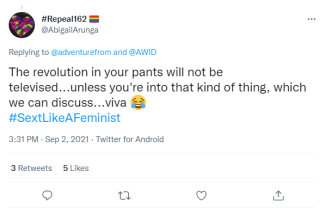
La révolution dans ton froc ne passera pas à la télé… sauf si ce genre de truc t’excite, ce dont on peut parler… en personne [emoji visage avec des larmes de joie].

En 2016, nous nous sommes réuni-e-s pour le 13e forum international de l’AWID, à Bahia au Brésil, qui a accueilli 1 800 participant-e-s venu-e-s de 120 pays et territoires à travers le monde. Le Forum a servi d’espace essentiel pour la mise en place de stratégies et la constitution d’alliances au sein des mouvements féministes et d’autres mouvement de justice.
Nous savons que les droits des femmes et les mouvements féministes sont des éléments moteurs pour l’instauration d’un changement transformateur durable. Au sein de nos mouvements, l’organisation, la résistance et la réponse au difficile contexte se précisent, et dans ce monde de plus en plus connecté, le potentiel des actions collectives de mouvements divers s’est fortement accru. C’est précisément là le travail essentiel que l’AWID cherche à amplifier et à soutenir.
Nous cherchons à informer et outiller les organisations et mouvements de droits des femmes afin de les aider à être en mesure de répondre aux opportunités qui se présentent et de contrecarrer les menaces. Nous appuyons une visibilité accrue et une meilleure compréhension des initiatives pour les droits des femmes et les menaces auxquelles elles font face, et nous oeuvrons également à influer sur les acteur-trice-s et les institutions qui façonnent le devenir des droits de la personne et du développement.
Le 13e forum international innovant de l’AWID s’est tenu du 8 au 11 septembre 2016 à Bahia, au Brésil, sur le thème : « Horizons féministes ; Construire un
pouvoir collectif pour les droits et la justice ».
Bien qu’une grande partie de l’énergie de l’AWID ait été investie en 2016 dans la tenue du Forum, la réflexion et l’énergie de près de 500 partenaires, intervenant-e-s, animateur-trice-s, artivistes, facilitateur-trice-s, écrivain-e-s, innovateur-trice-s en TI, performeur-euse-s, dont beaucoup sont des meneur-euse-s dans leur domaine, ont été mises à profit. Et en reconnaissance du passé et du combat de Bahia, nous avons accueilli deux jours de Forum des Féminismes Noirs , à l’initiative d’un groupe de travail de féministes Noires du monde entier.
À propos du défi au pouvoir corporatif : Nous avons publié Contester le pouvoir corporatif : Les luttes pour les droits des femmes, la justice économique et la justice de genre avec le Solidarity Center, qui dévoile la portée et l’ampleur du pouvoir corporatif et souligne comment la collusion qu’entretiennent les entreprises nationales et transnationales avec les élites et autres puissant- e-s acteur-trice-s influence les vies des femmes et des peuples opprimés. Ce rapport présente des clés de stratégies de résistances, en soulignant cinq combats qui se sont saisis de la collaboration entre mouvements pour contester le pouvoir corporatif.
Sur les économies féministes : Nous avons publié Propositions féministes pour une économie juste avec le Centre pour le leadership mondial des femmes (CWGL en anglais) et le Réseau de Développement et de Communication des Femmes Africaines FEMNET.
Sur l’opposition aux fondamentalismes : Le Diable est dans les détails : à la croisée du développement, des droits des femmes et des fondamentalismes religieux détaille la façon dont les fondamentalismes religieux entravent le développement et les droits des femmes en particulier, et offre des recommandations aux acteur-trice-s du développement pour le renforcement des droits des femmes.
Sur le thème de l’activisme des jeunes féministes : Avec FRIDA, nous avons lancé Courageuses, créatives, résilientes : les organisations de jeunes féministes dans le monde : un état de lieux à l’occasion du Pôle d’activisme des jeunes féministes lors du Forum de l’AWID. Ce projet de cartographie des jeunes féministes s’appuie sur les données collectées dans 1 360 demandes de subventions reçues par FRIDA entre 2012 et 2014, qui incluaient 694 interlocutrices issues de 118 pays différents !
l’AWID, en partenariat avec d’autres organisations féministes et de droits des femmes, a lancé des actions de plaidoyer et de dialogue afin de rechercher de meilleures solutions pour les programmes de droits des femmes, dont le travail avec le consortium .Count Me In!
Les expériences des femmes en situation de handicap, les femmes Noires et Afro-descendantes, les travailleuses du sexe, les femmes Autochtones, les personnes trans et intersexes, les travailleuses domestiques, et la manière dont leurs vies sont impactées par les nombreuses oppressions et la violence ont été placées au centre et au premier plan du processus du Forum.
Au cours des 16 jours d’activisme, et grâce aux contributions de nos incroyables membres, nous avons lancé l’Hommage aux défenseur-e-s des droits humains des femmes 2016 pour honorer la mémoire des défenseur-e-s qui nous ont quitté- e-s.
Notre partenariat avec The Guardian et Cash Mama : la section sur les droits des femmes et l’égalité de genre (en anglais) sur le portail du développement dans le monde du Guardian a permis d’attirer davantage d’attention sur les groupes et les problématiques qui ne font généralement pas l’objet d’une couverture médiatique adéquate.

การเสวนา: ในการเสวนาให้สำรวจปัญหาหรือความท้าทายจากมุมมองที่แตกต่างกัน หรือแบ่งปัน การเรียนรู้หรือประสบการณ์ ตามด้วยคำถามของผู้ฟังหากมีเวลา
รายการทอล์คโชว์: สนทนาแบบเป็นไปเองในรูปแบบรายการทอล์คโชว์ โดยอาจเป็นการสนทนา ร่วมกันหลายคน มีพิธีกรเป็นผู้ดำเนินรายการ คำถามของผู้ฟังสามารถกำหนดทิศทางของการสนทนาได้
การอภิปราย: วงสนทนาอภิปรายอาจอยู่ในรูปแบบเวิร์ลคาเฟ่ วงอ่างปลา (fishbowls) และรูปแบบอื่นๆ ที่เอื้อให้ผู้เข้าร่วมมีส่วนร่วมในการสนทนามากขึ้น
การประชุมเชิงปฏิบัติการ (workshop): เป็นกิจกรรมเชิงโต้ตอบที่เชิญชวนผู้เข้าร่วมสร้างทักษะใหม่ๆในทุกด้านของชีวิตและการเคลื่อนไหวผ่านกิจกรรมและการปฏิบัติ
หัวข้อยุทธศาสตร์: เป็นการเชิญชวนให้คิดผ่านประเด็นหรือยุทธศาสตร์ในเชิงลึกร่วมกับคนอื่น เปิดพื้นที่ สำหรับเรียนรู้กันและกัน สิ่งใดได้ผล ไม่ได้ผล และเราจะพัฒนายุทธศาสตร์ใหม่ๆร่วมกันเพื่อสร้างโลกที่ เราใฝ่ฝันได้อย่างไร
วงแลกเปลี่ยนของคนแนวเดียวกัน: (หรือที่เรียกว่า "Birds of a Feather") เหมาะสำหรับกลุ่มเล็กๆ ในบรรยากาศที่ใกล้ชิดยิ่งขึ้น เพื่อรับฟังความคิดเห็นของกันและกัน จุดประกาย การอภิปราย และ หยิบยกประเด็นหัวข้อที่เฉพาะเจาะจง ละเอียดอ่อน และซับซ้อนอย่างระมัดระวัง
ศิลปะ - การประชุมเชิงปฏิบัติการแบบมีส่วนร่วม: กิจกรรมศิลปะอย่างมีส่วนร่วม และการแสดงออก อย่างสร้างสรรค์ ไม่ว่าจะเป็นทัศนศิลป์ การละคร ภาพยนตร์ จิตรกรรมฝาผนัง การเต้นรำ ดนตรี งานฝีมือ หรือการสร้างงานศิลปะ ฯลฯ เรายินดีรับทุกแนวคิดที่เชิดชูศิลปะ และความคิดสร้างสรรค์แนวสตรีนิยมใน รูปแบบของการเปลี่ยนแปลงทางสังคม การเยียวยา การแสดงออก และการเปลี่ยนแปลง
ศิลปะ - การแสดง ศิลปะจัดวาง และนิทรรศการ: เรายินดีรับผลงานที่นำเสนอประสบการณ์ และมุมมองใหม่ๆแก่ผู้เข้าร่วมประชุมในเวทีนี้เพื่อขยายขอบเขตของเรา สร้างความท้าทายและสร้าง แรงบันดาลใจ ให้เราคิด รู้สึก และจัดการด้วยวิธีใหม่ๆ
การเยียวยาและบำบัด: กิจกรรมหลากหลายที่เหมาะกับกลุ่มและปัจเจกบุคคล ตั้งแต่การเรียนรู้เทคนิค การผ่อนคลาย ไปจนถึงการพูดคุยถึงการป้องกันภาวะหมดไฟ และตั้งแต่การดูแลร่างกาย จิตใจและ จิตวิญญาณ โดยคำนึงถึงบาดแผลทางจิตใจ ไปจนถึงการเยียวยารอยร้าวในขบวนการเคลื่อนไหวของเรา
Lisez nos recherches sur le financement, sur les défenseuses des droits humains, sur la création de mouvements, sur les fondamentalismes, la justice économique et beaucoup plus

Lindiwe Rasekoala is a life coach who specializes in intimacy and relationship wellness coaching. She is a sexual health enthusiast and online contributor. Through her own experiences and unconventional methods of research, she believes she can bridge the education gap and lack of access to information around sexual wellness. She is a contributor on various radio and television shows, and has completed her coach training with the Certified Coaches Alliance. Lindiwe’s mission is to break down the barriers to conversations around sexual wellness and to empower her clients to achieve greater understanding of themselves so that they can experience a more healthy and holistic lifestyle and relationships.
En 2021, l’AWID, comme beaucoup d’autres organisations, a dû faire face aux répercussions de la pandémie mondiale en cours sur notre façon de travailler et notre rôle en ces temps particuliers. L’année nous a appris trois leçons essentielles sur la façon de traverser cette période en tant qu’organisation mondiale de soutien au mouvement féministe.
Téléchargez le rapport annuel 2021
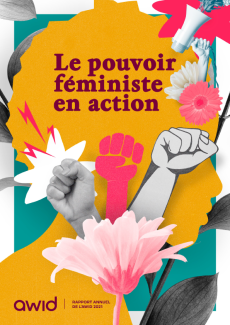
Notre expérience en 2021 nous a permis de constater que l’AWID jouait un rôle important et quelque peu unique dans la création et le maintien d’une communauté féministe mondiale transcendant les identités et les thèmes.

لويز ماليرب، مبرمجة أفلام وقيّمة معارض وناقدة أفلام مقيمة في برلين. عملت كمبرمجة أفلام لجمعية متروبوليس للسينما في بيروت. حاليا تنسق لويز مشروع ريل ستريمز الذي يهدف إلى دعم نشر السينما المستقلة في المنطقة العربية. هي رئيسة قسم البرمجة لمهرجان صورة السينمائي، وهو مهرجان أفلام كويرية يركز على منطقة جنوب غرب آسيا وشمال أفريقيا. تكتب لويز النقد السينمائيين لـ مانيفستو XXI، وقد بدأت مؤخرًا تنظيم الأفلام والمهرجانات لسينما عقيل.
Con más de 10 años de experiencia en finanzas, Lucy ha dedicado su carrera a misiones con y sin fines de lucro. También ha prestado trabajo voluntario para organizaciones sin fines de lucro. Desde el acelerado mundo de las finanzas, Lucy siente pasión por estar al día con las competencias tecnológicas asociadas con este ámbito. Lucy se incorporó a AWID en 2014. En su tiempo libre disfruta de la música, de viajar y de practicar una variedad de deportes.