Confronting Extractivism & Corporate Power
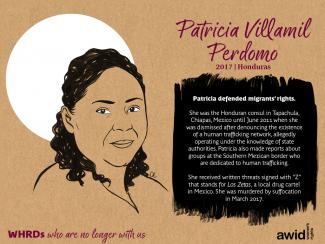
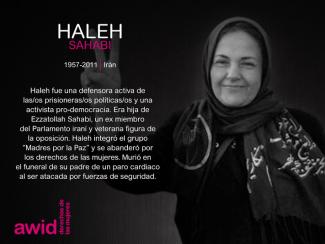
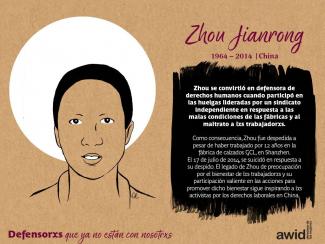
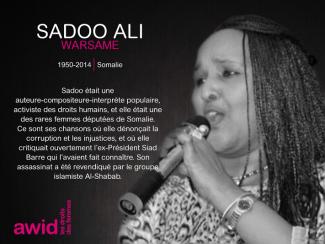
Women human rights defenders (WHRDs) worldwide defend their lands, livelihoods and communities from extractive industries and corporate power. They stand against powerful economic and political interests driving land theft, displacement of communities, loss of livelihoods, and environmental degradation.
Why resist extractive industries?
Extractivism is an economic and political model of development that commodifies nature and prioritizes profit over human rights and the environment. Rooted in colonial history, it reinforces social and economic inequalities locally and globally. Often, Black, rural and Indigenous women are the most affected by extractivism, and are largely excluded from decision-making. Defying these patriarchal and neo-colonial forces, women rise in defense of rights, lands, people and nature.
Critical risks and gender-specific violence
WHRDs confronting extractive industries experience a range of risks, threats and violations, including criminalization, stigmatization, violence and intimidation. Their stories reveal a strong aspect of gendered and sexualized violence. Perpetrators include state and local authorities, corporations, police, military, paramilitary and private security forces, and at times their own communities.
Acting together
AWID and the Women Human Rights Defenders International Coalition (WHRD-IC) are pleased to announce “Women Human Rights Defenders Confronting Extractivism and Corporate Power”; a cross-regional research project documenting the lived experiences of WHRDs from Asia, Africa and Latin America.
We encourage activists, members of social movements, organized civil society, donors and policy makers to read and use these products for advocacy, education and inspiration.
-
"Women Human Rights Defenders confronting extractive industries: an overview of critical risks and Human Rights obligations" is a policy report with a gender perspective. It analyses forms of violations and types of perpetrators, quotes relevant human rights obligations and includes policy recommendations to states, corporations, civil society and donors.
-
"Weaving resistance through action: Strategies of Women Human Rights Defenders confronting extractive industries" is a practical guide outlining creative and deliberate forms of action, successful tactics and inspiring stories of resistance.
-
The video “Defending people and planet: Women confronting extractive industries” puts courageous WHRDs from Africa, Asia, and Latin America in the spotlight. They share their struggles for land and life, and speak to the risks and challenges they face in their activism.
-
Challenging corporate power: Struggles for women’s rights, economic and gender justice is a research paper outlining the impacts of corporate power and offering insights into strategies of resistance.
Share your experience and questions!
◾️ How can these resources support your activism and advocacy?
◾️ What additional information or knowledge do you need to make the best use of these resources?
Thank you!
AWID acknowledges with gratitude the invaluable input of every Woman Human Rights Defender who participated in this project. This project was made possible thanks to your willingness to generously and openly share your experiences and learnings. Your courage, creativity and resilience is an inspiration for us all. Thank you!
Related Content
Snippet FEA NSS Quote (FR)
« Les savoirs et pratiques indigènes ont toujours soutenu la souveraineté alimentaire, et ce savoir-faire est entre les mains des femmes [...] L'écoféminisme pour moi, c'est le respect de tout ce que nous avons autour de nous » -
Sally Gross
Paula Andrea Rosero Ordóñez
« C’[elle] était une personne qui se caractérisait par son travail acharné en faveur de la défense des droits humains et la construction de la paix à Nariño, notamment dans la municipalité de Samaniego-Nariño » - Jorge Luis Congacha Yunda pour Página10
Paula Andrea Rosero Ordóñez était avocate au sein du bureau du Ministère public à Samaniego, Nariño, l’agence principale qui défend les droits des citoyen·ne·s en Colombie.
Elle s’est concentrée sur les droits civils et politiques, les enjeux d’impunité et de justice, et a contribué à dévoiler les abus de pouvoir, dont la corruption. Elle a également participé à des projets de construction de la paix dans sa ville natale, Samaniego, comme le Conseil municipal pour la paix et le Bureau municipal de femmes.
Paula a reçu des menaces de mort après avoir exposé une gestion irrégulière des ressources, de même que porté plainte contre des actes de corruption au sein de l’Hôpital Lorencita Villegas dans la municipalité de Nariñense. Elle a été assassinée le 20 mai 2019, lorsque deux hommes se sont approchés d’elle et l’ont abattue à bout portant.
Love letter to feminist movements: A Letter from Inna and Faye
Dear feminist movements,
Love is what keeps our feminist fire burning. Along with care for our communities, anger and rage in the face of injustice, and the courage to take action.
In September 2022, we stepped with great excitement into our leadership roles at AWID, as Co-Executive Directors. We felt the warmth and embrace of the feminist sisterhood as you welcomed us.
Reflecting on our most precious memories as feminists, we recall powerful moments of togetherness at street protests, sharp analysis, and brave voices shaking the status quo at gatherings. We held those intimate conversations into the night, laughed for hours, and danced at parties together.
Feminist fires need to be fed, especially in difficult times when there is no lack of external challenges, from the climate crisis and the rise of right-wing forces to exploitative economies and persisting patterns of oppression within our own social movements. It's these fires, burning ablaze everywhere, that light our ways and keep us warm, but we can’t disregard the exhausting effects of political violence and repression directed against many of our struggles, movements, and communities.
We understand the desire to change the world as an essential ingredient of feminist organizing. We can never forget that we are the ones we have been waiting for, in building alternatives and shaping our future. Yet, vibrant feminist energy cannot be taken for granted and must be safeguarded in many ways. In this, we will continue to be vigilant. Greater and equal access to care and wellbeing, to healing and pleasure, are not only instruments to prevent burnout and sustain our movements, though that is an important function; first and foremost, they are the way in which we hope to live our lives.
We are thrilled to roll up our sleeves and work with you. AWID’s new strategic plan “Fierce Feminisms: Together We Rise” reflects our conviction that now is the time for us to be fierce and unapologetic in our agendas while making an effort to connect across movements and truly get to know each other’s realities, so that we may rise together - because, for us, this is the only way.
Our plans include the long-awaited AWID Forum! We look forward to meeting you all in person and online in 2024. We are hearing from you the need to connect and recharge, to rest and heal, to be challenged and inspired, to share good food, and to laugh and dance together. Few things in this world are as powerful and transformative, as feminists from all parts of the world coming together, and we truly hold our breath for this moment, because we know the magic that we can create together.
Our membership engagement has taken on a life of its own through the AWID Community (our online platform for members), and our focus on building connection and solidarity resonates with many of you. Please join and connect with us and others in feminist movements around the world. We know the importance of connection in a time and space where the rules are not made for us, and we hold close our community, where each of us matters.
Together with our fantastic AWID colleagues, we promise to do our best to support feminist movements, as is the mission and purpose of AWID. Please hold us to account.
For the past 40 years, you - feminist movements - have shaped AWID’s history, and pushed us to be braver, creative, and radical. 40 is a fabulous age, and we look forward to another 40 years with you all. We are looking forward to the partnerships, calls to justice, collaboration, policy influencing, and badass feminist power that you all bring in navigating the ever-increasing backlash on gender, racial and environmental justice. We have so much to learn from you and from each other, as we collectively build the worlds we believe in.
Cindy Clark and Hakima Abbas, thank you for paving the way for us and preparing us to fill your enormous shoes. We always appreciate all those on whose shoulders we stood and continue to stand. We understand ourselves to be part of a broader movement landscape, feminist histories, presents, and daring futures.
AWID’s Board of Directors, we are grateful to you for the support and feminist love you show us, and for your commitment to Global South leadership and the co-leadership model. We send our love and respect to each and every AWID colleague, we feel honoured to be working with such an exceptional feminist team of dedicated professionals.
This is our first time writing a love letter together, how could we conclude it without expressing love, care, and respect for each other? It’s a pretty intense relationship we’ve stepped into! We both bring our different and diverse perspectives and skills to our work, and as individuals, we also bring our lived experiences and authentic selves.
Together with you all, we are a story in the making, a part of a beautiful woven - and often beautifully challenging - tapestry that continues into the future. We had fun starting this journey together with each other and with you, and we very much hope to keep the romance alive.
In solidarity, with love and care
Inna and Faye
Save the date!
21 February 2023, Member Mixer 5 on Feminist Politics with Faye and Inna.

Not a member yet? Find out more about AWID Membership.
論壇將包括哪些語言?
英文、法文、西班牙文和中文
Snippet FEA argentina history cooperatives (EN)
Argentina has a long history of worker-run cooperatives and workplaces.
In 2001, the country experienced one of the worst economic crises in its history.
As a response to the recession and a form of resistance and resilience, workers across the country started occupying their workplaces.
The Nadia Echazú Textile Cooperative was the first cooperative created by and for trans and travesti people in search of economic autonomy and decent living conditions.
It provides work opportunities, access to social security, sustainable income and economic rights for the communities it serves.
Fezekile Ntsukela Kuzwayo
Loretta Saunders
Magaly Quintana
Magaly Quintana was known by many in Nicaragua as ‘La Maga’ (meaning wizard). She was a feminist historian, activist, and an unyielding defender of women’s rights demanding justice for the victims of femicide.
Magaly was committed to documenting and building statistics on women and girls who were killed as a result of sexual violence in the country.
“She rebuilt the life of each one, of their families, to show those lives that had been torn away.” - Dora María Téllez
Magaly also criticized the government for reforming Law 779 addressing violence against women. A product of the hard work of Nicaraguan women’s movements, this law included important provisions to criminalize femicide before its reform. She argued that legislative reforms weakened the law and limited the definition of femicides to homicides, as a result invisibilizing violent crimes against women.
Magaly’s feminist organizing began in the early 1980s. She was the director of Catholic Women for the Right to Choose, advocating for the right to therapeutic abortion after it was banned in 2006. In 2018, she supported the protests against Daniel Ortega’s government.
Magaly was born in May 1952 and passed away in May 2019.
“See you later, my dearest Magaly Quintana. Thanks so much, thanks for your legacy. We’ll see you again, as strong and powerful as ever.”- Erika Guevara Rosas (American Director of Amnesty International)
Carta de amor a los movimientos feministas #10
Nunca supe que tenía una familia cercana que me ama y que quiere que crezca. Mi mamá siempre ha estado presente para mí, pero nunca imaginé que tendría miles de familias por otros sitios, con las que no estoy relacionada por lazos de sangre.

Descubrí que la familia no son solo las personas relacionadas por lazos sanguíneos, sino la gente que te ama de forma incondicional, a quienes no les importa tu orientación sexual, ni tu estado de salud, ni tu estatus social, ni tu raza.
Al pensar en los momentos invaluables en que escuché a mis hermanas de todo el mundo que son firmes feministas –gente a quien no he conocido físicamente, pero quienes me apoyan, me enseñan, luchan por mí– me faltan las palabras: las palabras no pueden expresar cuánto las amo a ustedes, mis mentoras, y a las demás feministas. Ustedes son una madre, una hermana, una amiga para millones de chicas jóvenes.
Ustedes son maravillosas, ustedes luchan por personas a quienes no conocen –y eso es lo que las hace tan especiales–.
Mi corazón se alegra de expresar esto por escrito.
Las amo a todas y seguiré amándolas. Nunca he visto a ninguna de ustedes en forma física, pero parece que nos conociéramos desde hace décadas.
Somos feministas y estamos orgullosas de ser mujeres.
Vamos a seguir diciéndole al mundo que nuestra valentía es nuestra corona.
Una carta de amor de FAITH ONUH, una joven feminista de Nigeria
透過CfA提交活動提案後續?
- 活動提案最初將由AWID工作人員進行篩選。
- 然後,入圍的提案企劃者受邀參加票選,在入圍的活動中進行選擇。票數最高者會納入論壇活動。AWID可能會在決選做一些調整,以確保我們的活動議程在各個地區、擁護族群、議題和方法之間具適當平衡。
- 我們的論壇內容與方法委員會將與獲選的提案企劃者聯繫,協助他們進一步規劃活動。
我們屆時會於網站上公告徵選結果。
Snippet FEA Life expectancy of a trans and travesti (ES)

La expectativa de vida de una persona trans y travesti en Argentina es de 37 años - la edad promedio de la población general es de 77 años.
Paola Barraza
Maya Angelou
Janet Benshoof
Janet Benshoof fue una abogada de derechos humanos de los Estados Unidos, y defensora de la igualdad de las mujeres y de los derechos sexuales y reproductivos.
Hizo campaña para ampliar el acceso a los anticonceptivos y al aborto en todo el mundo, y luchó contra las sentencias antiaborto y en el territorio estadounidense de Guam. Fue arrestada en 1990 por oponerse a la ley de aborto más restrictiva de su país. Sin embargo, obtuvo una medida cautelar en el tribunal local de Guam que bloqueó la ley y, finalmente, ganó en el Tribunal de Apelaciones del Noveno Circuito, que llevó a la anulación de la ley para siempre.
"Las mujeres de Guam están en una situación muy trágica. No tengo intención de callarme al respecto." - Janet Benshoof para la revista People.
Janet sentó precedentes jurídicos históricos, entre ellos, la aprobación de la anticoncepción de emergencia por parte de la Administración de Alimentos y Medicamentos de los Estados Unidos, así como la aplicación del derecho internacional para garantizar los derechos de las víctimas de violación en el Tribunal Superior de Iraq, durante el procesamiento de los crímenes de guerra de la época de Saddam.
Janet fue Presidenta y fundadora del Centro de Justicia Global, y fundadora también del Centro de Derechos Reproductivos, la primera organización internacional de derechos humanos del mundo centrada en la elección y la equidad reproductiva. Durante 15 años se desempeñó como directora del Proyecto de Derechos Reproductivos de la Unión Americana de Libertades Civiles, donde encabezó litigios que dieron forma a las leyes constitucionales de los Estados Unidos sobre igualdad de género, libertad de expresión y derechos reproductivos.
"Janet era conocida por su mente jurídica brillante, su agudo sentido del humor y su coraje ante la injusticia". - Anthony D. Romero
Nombrada una de las "100 Abogadas más influyentes de América" por el National Law Journal, Janet recibió numerosos premios y honores.
Nació en mayo de 1947 y falleció en diciembre de 2017.
Fleurir sous l’ombrelle du monde : les féministes de MENA au Forum de l'AWID

Dans le monde entier et au sein des mouvements sociaux, les personnes désireuses d’innover ont tendance à se sentir seules et impuissantes face au « statu quo du mouvement ». Historiquement, les Forums de l’AWID ont joué un rôle dans le soutien de ces innovateur·trices en leur offrant une plateforme où leurs idées et pratiques sont accueillies et renforcées par les pensées et actions d’autres personnes de différentes régions et communautés qui les ont déjà explorées. Sara Abu Ghazal, féministe palestinienne au Liban, nous parle de ce qu’ont représenté les Forums pour toute une nouvelle génération de féministes de la région MENA (Moyen-Orient et Afrique du Nord) qui ont introduit de nouvelles façons de s’organiser, de nouvelles conceptions du féminisme et de nouvelles questions dans le paysage régional des droits des femmes.
De sa propre voix : regardez l'interview de Sara Abu Ghazal
去台北參加論壇需要簽證嗎?
您若持有下列國家的護照,可免簽入境台灣到台北參與論壇活動(請留意持免簽可停留的天數各國不同):
安道爾、澳大利亞、奧地利、比利時、保加利亞、汶萊、加拿大、智利、克羅埃西亞、賽普勒斯、捷克、丹麥、愛沙尼亞、 史瓦濟蘭、芬蘭、法國、德國、希臘、瓜地馬拉、海地、宏都拉斯、匈牙利、冰島、愛爾蘭、以色列、義大利、日本*、韓國、拉脫維亞、列支頓斯登、立陶宛、盧森堡、馬爾他、馬歇爾群島、摩納哥、荷蘭、紐西蘭、尼加拉瓜、挪威、帛琉、巴拉圭、菲律賓、波蘭、葡萄牙、羅馬尼亞、俄國、聖馬利諾、斯洛伐克、斯洛維尼亞、西班牙、瑞典、瑞士、吐瓦魯、英國、美國、梵蒂岡城國、貝里斯、多明尼加、馬來西亞、諾魯、聖克里斯多福及尼維斯、聖塔露西亞、聖文森和格瑞納丁、新加坡。
未持有上述國家護照的人士來台北須申請簽證。
請留意:
在您完成論壇註冊手續後,無論您國籍為何,應會收到與論壇參與相關的一組號碼,用於申請來台灣的電子簽證。
論譠開放報名的時間我們會另行通知。
Snippet FEA Financial Precarities (FR)

est constante
Emilsen Manyoma
Related Content
Front Line Defenders: Emilsen Manyoma Killed
ReliefWeb: A human rights defender killed every other day in 2017 in Colombia (between 1 and 23 January 2017)
Global Witness: Defenders of the Earth (2016 Report)
okayafrica.: Who is Killing Colombia's Black Human Rights Activists?
PBI Colombia: We will always accompany your work
Bitch Media: Don’t Touch My Crown: The failure of decapitation and the power of black women’s resistance