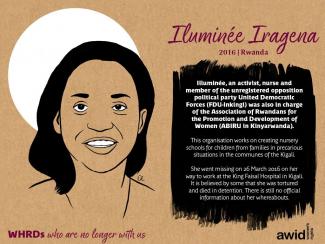
Illuminée Iragena
Young feminist activists play a critical role in women’s rights organizations and movements worldwide by bringing up new issues that feminists face today. Their strength, creativity and adaptability are vital to the sustainability of feminist organizing.
At the same time, they face specific impediments to their activism such as limited access to funding and support, lack of capacity-building opportunities, and a significant increase of attacks on young women human rights defenders. This creates a lack of visibility that makes more difficult their inclusion and effective participation within women’s rights movements.
AWID’s young feminist activism program was created to make sure the voices of young women are heard and reflected in feminist discourse. We want to ensure that young feminists have better access to funding, capacity-building opportunities and international processes. In addition to supporting young feminists directly, we are also working with women’s rights activists of all ages on practical models and strategies for effective multigenerational organizing.
We want young feminist activists to play a role in decision-making affecting their rights by:
Fostering community and sharing information through the Young Feminist Wire. Recognizing the importance of online media for the work of young feminists, our team launched the Young Feminist Wire in May 2010 to share information, build capacity through online webinars and e-discussions, and encourage community building.
Researching and building knowledge on young feminist activism, to increase the visibility and impact of young feminist activism within and across women’s rights movements and other key actors such as donors.
Promoting more effective multigenerational organizing, exploring better ways to work together.
Supporting young feminists to engage in global development processes such as those within the United Nations
Collaboration across all of AWID’s priority areas, including the Forum, to ensure young feminists’ key contributions, perspectives, needs and activism are reflected in debates, policies and programs affecting them.
Manal Tamimi Palestine
Bubulina Moreno, Colombia
Karolina Więckiewicz, Poland
Anwulika Ngozi Okonjo, Nigeria
por Gabrielle Tesfaye
Cuando creé mi cortometraje animado The Water Will Carry Us Home [El agua nos llevará a casa], mi mente estaba conectada con un mundo mágico de resiliencia intrépida y sirenas ancestrales que transformaban sus cicatrices más profundas en una nueva generación de vida. Ambientada durante la época del comercio de esclavxs transatlántico, sentí el impulso de mostrar esta historia de esclavización africana en forma diferente de cómo se la ha mostrado siempre en pantalla. Quería dar a mis ancestrxs la conmemoración que nunca recibieron. Mi motivación era recuperar la historia que continúa pintándonos como víctimas impotentes. Esencialmente, quería contar la verdad. Recuperar y reimaginar nuestra historia y nuestra perspectiva significa sanar simultáneamente nuestros traumas generacionales, que existen todavía hoy. Este importante trabajo es lo que están haciendo hoy tantas mujeres a través del continente africano y la diáspora africana, encendiendo nuestras realidades feministas colectivas.
Para hacer la película investigué religiosamente y, en lo que estaba escrito, vi lo que faltaba. Muchas veces sentí que estaba chocando contra una pared, al tratar de encontrar algo que no estaba ahí, y fue en esos espacios anulados en los que me di cuenta de que lxs narradorxs de hoy están llenando esos vacíos. Encontré las historias más útiles en las artes visuales, la cinematografía y el folklore de la diáspora africana contemporáneos.
The Water Will Carry Us Home viajó por el mundo hasta los corazones de la diáspora africana. También me trajo aquí, como curadora de las proyecciones de películas de África y la diáspora de la iniciativa de AWID «Creación conjunta de realidades feministas». Para organizar esta colección de películas, busqué historias que fueran totalmente únicas, crudas, y representativas del poder feminista en acción. Esta serie de tres cortometrajes y un largometraje revela historias provenientes de muchas comunidades de África y la diáspora, incluyendo Etiopía, Uganda, la República Democrática del Congo, Sudáfrica y Kenia. Las películas reposicionan a las mujeres africanas como lo que verdaderamente son: personas autónomas y empoderadas a través de la lente sin filtros de su trabajo.
«Una narración increíblemente hermosa, atenta y de fina observación sobre la conexión entre África y su Diáspora, constituida por el comercio transatlántico de esclavxs. El universo visual que crea es magnífico... un eco de la fusión de las tradiciones espirituales y el tiempo no lineal que habla de cómo todavía seguimos experimentando los momentos del pasado que formaron “nuevos” mundos de negritud diaspórica.»
- Jessica Horn, activista feminista panafricana, escritora y co-creadora del sitio web the temple of her skin
«... una representación cruda y realmente única del poder feminista en acción.»
- Hers is Ours Collective, organizadorxs del Outsider Moving Art & Film Festival
El cortometraje documental Women Hold Up the Sky [Las mujeres sostienen el cielo], creada por la WoMin African Alliance, cuenta la historia de mujeres activistas de Uganda y la República Democrática del Congo que están reclamando activamente sus derechos sobre la tierra, que se ven amenazados en sus hogares por la minería y otras industrias extractivas. La película no solo expone la corrupción del extractivismo, sino que finalmente muestra lo que nos ha estado faltando en las pantallas: cómo las mujeres africanas de las bases se están organizando activamente, formulando estrategias y realizando análisis dentro de sus comunidades para crear alternativas centradas en las mujeres e impulsadas por la comunidad. Margaret Mapondera de WoMin explica con gran belleza que ellas son «las custodias de tierras, bosques, aguas, ríos y territorios, las formas en que las mujeres guardan y transmiten las historias/herstorias [historias de ellas] de nuestro pasado y nuestros futuros; las formas de ser, poderosas y transformadoras, que las mujeres corporizan en sus relaciones con las demás, con el medio ambiente, y consigo mismas.»
«Una pieza cinematográfica refrescante y muy necesaria, que muestra los muchos modos en los que las mujeres africanas se están uniendo para crear alternativas lideradas por mujeres e impulsadas por la comunidad... La lucha continúa, y las mujeres tienen la clave.»
- Hers is Ours Collective, organizadorxs del Outsider Moving Art & Film Festival
Pumzi, creada por la cineasta aclamada por la crítica, Wanuri Kahiu, vincula África con la ciencia ficción en torno al clima y el ambientalismo. Pumzi imagina un mundo futurista en el cual la humanidad ha sido forzada a establecerse en otro planeta. Si bien Pumzi parece superficialmente afrofuturista y nueva para África, Kahiu muestra la verdad: que la ciencia ficción y la fantasía siempre existieron en la narrativa africana, pero nunca fueron reconocidos. Kahiu crea un mundo donde las mujeres son las buscadoras de la verdad y las heroínas que nos abren el camino hacia un nuevo mundo, lo opuesto a las imágenes que colocan a lxs africanxs como víctimas de la guerra y la destrucción. Por el contrario, Pumzi escribe la narrativa de mujeres africanas que son sus propias salvadoras, que resuelven sus propios problemas y que no se detienen ante nada con tal de seguir las crípticas visiones que canalizan en sus sueños.
«Una pionera película africana de ciencia ficción, que sitúa a las mujeres como escribas del futuro y expande nuestras visiones sobre otros mundos, otros universos, que podríamos ocupar como africanxs. Este es siempre un ejercicio importante para imaginar nuestra salida de las crisis actuales.»
- Jessica Horn, activista feminista panafricana, escritora y co-creadora del sitio web the temple of her skin
El largometraje de nuestro programa, Finding Sally [Encontrando a Sally], está ambientado en la Etiopía de la década de 1970, en la época de la guerra del Terror Rojo, y documenta la impactante historia de Sally Dawit, la tía activista de la directora Tamara Mariam Dawit. A lo largo de la película, vemos el increíble viaje de Sally, como activista joven y valiente que transita uno de los períodos más violentos de la historia de Etiopía. La historia de Sally no solo revela la gravedad de esta época: refleja también su propia evolución personal como mujer joven. De manera intencional, Dawit realiza la película a través de la perspectiva de las mujeres, sin utilizar voces masculinas. Dado que la mayor parte de la historia etíope es contada por varones, esta potente historia preservó su realidad, honrando la perspectiva feminista. Dawit explica que «en las revoluciones y las guerras, las mujeres a menudo son incluidas solamente como la esposa de alguien o como la persona que cocinaba o escribía a máquina. Yo quería mirar el activismo relacionado con la revolución solo a través de los recuerdos y las voces de las mujeres.» Finding Sally manifiesta la recuperación de la historia que actualmente buscan lxs cineastas. Es un estallido de poder feminista y de nuestras realidades conectadas a través del tiempo.
«Sobre nosotrxs recae la responsabilidad de recordar a aquellas mujeres que nos precedieron y a su brillante trabajo, para que no queden en el olvido como los miles de mujeres ya han sido olvidadas, mientras libraban batallas justas. Sally es una de esas mujeres, y no debemos olvidarla jamás.»
- Hers is Ours Collective, organizadorxs del Outsider Moving Art & Film Festival
Inscríbete aquí para ver esta película del 18 al 22 de junio
Estas películas se han convertido en parte de mi propia psiquis, empoderándome para continuar construyendo alternativas poderosas, para lograr la justicia desde adentro. Afirman que soy una mujer en un mundo de mujeres, que sostienen los cielos y crean activamente realidades feministas indestructibles. Estas películas son más que historias de mujeres africanas: permiten identificarse con ellas, inspirarse en ellas, y son ejemplos de realidades feministas para todxs nosotrxs, en todo el mundo.
Facebook: @AWIDWomensRights
Instagram: @awidwomensrights
Twitter ENG: @awid
Twitter ES: @awid_es
Twitter FR: @awid_fr
LinkedIn: Association for Women's Rights in Development (AWID)
Eni Lestari es una trabajadora de casa particular (doméstica) que vive en Hong Kong y es activista por los derechos de lxs migrantes. Tras escapar de un empleador abusivo, dejó de ser víctima y se transformó en organizadora de lxs trabajadorxs de casa particular y de lxs migrantes en general. En 2000 fundó la Association of Indonesian Migrant Workers [Asociación de Trabajadoras Migrantes de Indonesia, ATKI-Hong Kong] que luego se expandió a Macao, Taiwan e Indonesia. Fue coordinadora y una de las voceras del Asia Migrants Coordinating Body [Organismo Coordinador de Migrantes de Asia, AMCB], alianza de organizaciones de base en Hong Kong que reúnen a migrantes de Indonesia, Filipinas, Tailandia, Nepal y Sri Lanka. Actualmente preside la Alianza Internacional de Migrantes, primera alianza global de migrantes de base, inmigrantes, refugiadxs y otras personas desplazadas.
Ha ocupado cargos importantes en distintas organizaciones como Asia Pacific Forum on Women, Law and Development [Foro de Asia-Pacífico sobre Mujeres, Derecho y Desarrollo, APWLD] cuyo Consejo Regional integra. También formó parte del Consejo Directivo de la Alianza Contra la Trata de Mujeres (GAATW), fue vocera de la Network of Indonesian Migrant Workers [Red de Trabajadrxs Migrantes de Indonesia, JBMI], consejera de ATKI-Hong Kong y Macao así como de la Association of Returned Migrants and Families in Indonesia [Asociación de Migrantes y Familias Retornadas en Indonesia, KABAR BUMI]. Ha sido ponente en foros organizados por la academia, grupos interreligiosos, sociedad civil, sindicatos y muchas otras entidades en espacios nacionales, regionales e internacionales.
También ha participado activamente en asambleas/conferencias de la ONU sobre desarrollo y derechos de lxs migrantes y fue elegida para hablar en la apertura de la Asamblea General de la ONU sobre Grandes Desplazamientos de Migrantes y Refugiados realizada en 2016 en la ciudad de Nueva York, Estados Unidos. Recibió nominaciones y reconocimientos como ser incluida entre las mujeres que inspiran de la serie 100 Women de la BBC; Heroína pública (RCTI), Mujer influyente en la categoría lideresa del sector sin fines de lucro (Cámara Estadounidense en Hong Kong), Hacedora de cambios (Cathay Pacific) y un premio del Club Indonesio.
L’AWID remercie chaleureusement les nombreuses personnes dont les idées, analyses et contributions ont permis de rédiger la recherche "Où est l’argent pour l’organisation des mouvements féministes?" et les actions de plaidoyer au fil des années.
En premier lieu, et avant tout, nos profonds remerciements aux membres et activistes de l’AWID ayant pris part aux consultations WITM et piloté cette enquête à nos côtés, partageant si généreusement leur temps, leurs analyses et ouvrant leur cœur.
Notre gratitude va également aux mouvements féministes, aux allié·es et aux fonds féministes, et notamment, sans s’y limiter, au Black Feminist Fund, au Pacific Feminist Fund, à ASTRAEA Lesbian Foundation for Justice, à FRIDA Young Feminist Fund, à Purposeful, au Kosovo Women’s Network, au Human Rights Funders Network, au Dalan Fund et à PROSPERA International Network of Women's Funds pour vos études et recherches rigoureuses sur l’état du financement de l’organisation des mouvements, vos analyses pointues et vos incessantes actions de plaidoyer en faveur de davantage de financement de meilleure qualité et de plus de pouvoir pour l’organisation des mouvements féministes et de genre dans tous les contextes.
 |
Asamblea Placentera: Tejiendo Proyectos Feministas ColaborativosGhiwa Sayegh, Kohl: A Journal for Body and Gender Research De brujeria, chamanismo y otros conocimientos insurrectos contra el patriarcadoSofía Blanco Sixtos, Colectiva Feminista MAPAS |
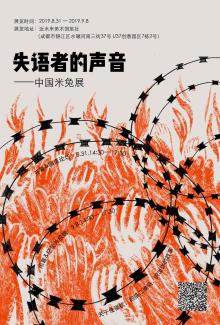
Le mouvement #MeToo en Chine s'est enflammé en janvier 2018, impulsé par l'élan du mouvement #MeToo dans le monde entier. Le mouvement était une réponse aux problèmes culturels et systémiques liés au genre et au pouvoir en Chine. Les fondations du mouvement ont été construites pendant des décennies, avec de nombreuses années de débat et de plaidoyer pour l'égalité des genres qui ont finalement jailli en une formidable force à travers la société. #MeToo a été mené principalement par des jeunes, parmi lesquels d'innombrables femmes anonymes et leurs allié·e·s, à la recherche d’opportunités qui leur permettraient de réaliser le "rêve chinois" ultime : transformer la Chine en un pays où règne l'égalité des genres.
L'environnement du mouvement #MeToo est extrêmement hostile en Chine: l'état de droit, l'équité et la transparence de l'action gouvernementale, ainsi que la liberté d'expression ne peuvent être considérés comme acquis par le mouvement en Chine, mais ce sont ces mêmes objectifs pour lesquels i.e.lles se battent. Depuis le début, il s'agit d'une lutte intense, chaque victime ou activiste qui dénonce courre d’énormes risques. Qu'il s'agisse d'être réduit·e au silence, humilié·e, ou de subir des représailles, ou encore de voir sa sécurité mise en péril, chaque succès du mouvement #MeToo a été remporté par celleux qui ont eu le courage d'assumer les coûts de la prise de parole et de défier la censure.
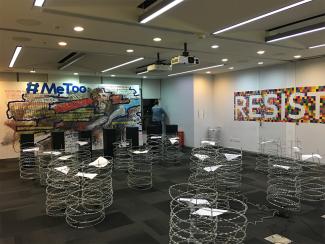
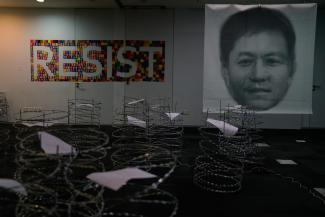
L'exposition #MeToo en Chine a été organisée pour la première fois en 2019 et a effectué une tournée dans 5 villes. L'objectif de l'exposition est de mettre davantage en avant les expériences personnelles des victimes et des activistes et, en prenant part à ces histoires, d'inspirer notre public à se joindre à la lutte. L'exposition est elle-même devenue une partie de la lutte #MeToo; elle a fait face à d’innombrables défis lors de sa tournée à travers la Chine et a même risqué la fermeture à plus d'une occasion.
Jemimah Naburri-Kaheru is an accomplished international HR strategist with a profound impact within the Horn of Africa Region. Jemimah previously served as the Regional Human Resource and Office Manager at the Strategic Initiative for Women in the Horn of Africa (SIHA). Her influence extends to HR leadership for over 70 regional staff, as the organization experienced rapid growth with a 40% increase in annual revenues. Throughout her career, Jemimah has orchestrated successful recruitment efforts, introduced merit-based performance systems, and overseen employee relations and HR policies.. She played a pivotal role in supporting global workforce strategies. With an academic background in Development Studies from Makerere University (Uganda) and an ongoing MBA in Human Resource Management, Jemimah's commitment to professional development is evident. Her contribution to high-performance workforces and international HR leadership positions her as an invaluable asset to any global enterprise.
Tout à fait, nous souhaitons connaître votre opinion et votre expérience du financement.
Curated by Jess X. Snow With assistance from Kamee Abrahamian and Zoraida Ingles
Across Asia and the Pacific, and all of it’s vast diaspora, fierce women and trans folks have been fighting for a future where they can all be free. As rising sea levels threaten the Pacific islands, and the coasts of continental Asia, the fight to protect other Earth and the Ocean intensifies all over the globe. Our planet stores a geologic memory of everything that it has experienced. The rise of colonization, industrialization, and environmental destruction is connected to the rise of the binary patriarchal nation state. The power within the Earth, to reincarnate, heal, and bloom in the face of violence, must then be connected to the woman, to motherhood, to indigeneity and all forces that are expansive, sacred and queer. It is no coincidence that Feminist Realities unite the fight to protect the rights of women, trans and LGBTQ+ people with the fight to protect the Earth. From mother-daughter protectors of Mauna Kea in the Kingdom of Hawaii, to the complex mother-child relationships of Vietnamese refugees, to queer sexual awakenings in conservative India, the reclaimation of home in Inner Mongolia, to the struggle toward LGBTQ liberation in the Phillipines -- this collection of films is a cosmology of the ways current-day Asian Pacific women and queer and trans folks champion the journey to our collective liberation across oceans and borders.
All of these films have a strong sense of place: indigenous activists protect their sacred lands, youth peel back colonial narratives of their homeland to uncover hidden truths, complex motherhood and relations of care are explored, and characters turn to their own bodies and sexuality as sanctuary when the family and city that surrounds them threaten their safety.
By Jess X. Snow
“A haunting film with stunning shots invoking feminist environmental resistance and how deeply rooted this is in connection to cultural history and land…”
- Jessica Horn, PanAfrican feminst strategist, writer and co-creator of the temple of her skin
In the experimental documentary, Afterearth, four women fight to preserve the volcano, ocean, land and air for future generations. Through music, poetry, and heartfelt testimonial that honors locations touched by the Pacific Ocean–Hawaiʻi, the Philippines, China, and North America, Afterearth is a poetic meditation on four women’s intergenerational and feminist relationship to the lands and plants they come from.
By Jalena Keane Lee
In Standing Above the Clouds, Native Hawaiian mother-daughter activists stand together to protect their sacred mountain, Mauna Kea from being used as a site to build one of the world’s largest telescopes. As protectors of Mauna Kea, this film highlights the interconnected relationship between Aloha ʻĀina (love of the land) and love for one’s elders and the future generations to come.
By Quyên Nguyen-Le
In the experimental narrative short, Nước (Water/Homeland) a Vietnamese-American genderqueer teen challenges dominant narratives of the Vietnam War in Los Angeles, California. Through striking dream sequences and breaks from reality, this film follows their journey to piece together and understand their mother's experience as a Vietnam War refugee.
By Kimi Lee
In Kama’āina, a queer sixteen-year-old girl must navigate life on the streets in Oahu, until she eventually finds refuge by way of guidance from an auntie at Pu’uhonua o Wai’anae–Hawaiʻi’s largest organized homeless encampment.
By Karishma Dev Dube
In Devi (goddess in Hindi) a young closeted lesbian, Tara risks both family and tradition to embrace her attraction to her family’s maid. Set in New Delhi, Devi is a coming of age story, as it is a commentary on the social and class lines that divide women in contemporary India today.
By Yuan Yuan
In Heading South, Chasuna, an 8 year old girl, raised by her mother in the Inner Mongolian Plateau, visits her abusive father in the big city. While at her father’s house, she is introduced to a new addition to the family, and must come to terms with the fact that her true home is inseparable from her mother and land.
By Johnny Symons & S. Leo Chiang
In the feature film, Outrun, we follow the journey of the first transgender woman in the Philippine Congress. Facing oppression in a predominantly Catholic nation, her triumphant journey becomes an outcry for the rights of LGBTQ+ people globally.
Spanning documentary, narrative, and experimental forms, these films illustrate that community care, self-love, and deep transformative listening between our loved ones is a portal to the Feminist Realities we are bringing into existence today. From all across the Asia Pacific and it’s diaspora, these stories teach us that in the face of violence, tenderness is the sharpest force of resistance.
Watch our conversation with the filmmakers
Facebook: @AWIDWomensRights
Instagram: @awidwomensrights
Twitter ENG: @awid
Twitter ES: @awid_es
Twitter FR: @awid_fr
LinkedIn: Association for Women's Rights in Development (AWID)

Brenda Salas Neves es une estratega feminista queer nacide y criade en los Andes del Sur. Elle trabaja en la organización para el cambio de narrativas y movilizar recursos para apoyar los movimientos de justicia racial y climática en todo el mundo. Ha producido proyectos mediáticos para potenciar el poder de la población migrante y alzarse contra la intervención militar estadounidense en toda América Latina, con Deep Dish TV y el Comité de Solidaridad con Centroamérica de Portland. Elle es une orgullose integrante del Proyecto Audre Lorde y egresade del movimiento de los United World Colleges (UWC).