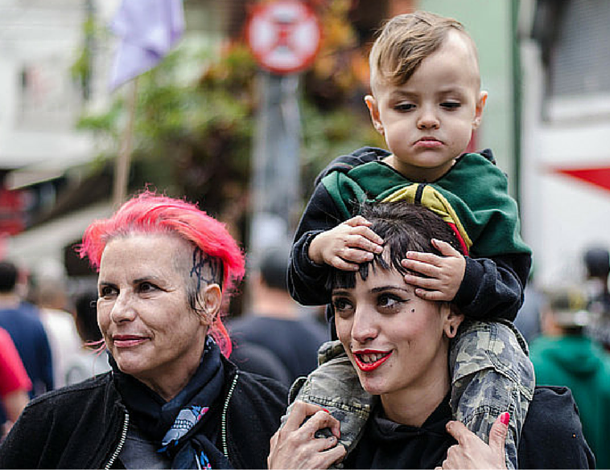
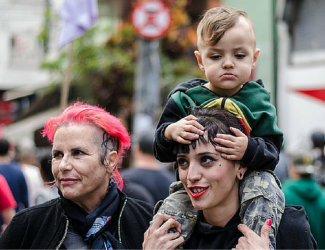
Flickr/Leonardo Veras (CC BY 2.0)

Protection of the Family

The Issue

Over the past few years, a troubling new trend at the international human rights level is being observed, where discourses on ‘protecting the family’ are being employed to defend violations committed against family members, to bolster and justify impunity, and to restrict equal rights within and to family life.

The campaign to "Protect the Family" is driven by ultra-conservative efforts to impose "traditional" and patriarchal interpretations of the family, and to move rights out of the hands of family members and into the institution of ‘the family’.

“Protection of the Family” efforts stem from:

  • rising traditionalism,
  • rising cultural, social and religious conservatism and
  • sentiment hostile to women’s human rights, sexual rights, child rights and the rights of persons with non-normative gender identities and sexual orientations.

Since 2014, a group of states have been operating as a bloc in human rights spaces under the name “Group of Friends of the Family”, and resolutions on “Protection of the Family” have been successfully passed every year since 2014.

This agenda has spread beyond the Human Rights Council. We have seen regressive language on “the family” being introduced at the Commission on the Status of Women, and attempts made to introduce it in negotiations on the Sustainable Development Goals.


Our Approach

AWID works with partners and allies to jointly resist “Protection of the Family” and other regressive agendas, and to uphold the universality of human rights.

In response to the increased influence of regressive actors in human rights spaces, AWID joined allies to form the Observatory on the Universality of Rights (OURs).  OURs is a collaborative project that monitors, analyzes, and shares information on anti-rights initiatives like  “Protection of the Family”.

Rights at Risk, the first OURs report, charts a map of the actors making up the global anti-rights lobby, identifies their key discourses and strategies, and the effect they are having on our human rights.   

The report outlines “Protection of the Family” as an agenda that has fostered collaboration across a broad range of regressive actors at the UN.  It describes it as: “a strategic framework that houses “multiple patriarchal and anti-rights positions, where the framework, in turn, aims to justify and institutionalize these positions.”


Related Content

Y aura-t-il des mesures d’accessibilité au Forum ?

En un mot : oui ! L’AWID collabore actuellement avec un Comité d’accessibilité pour veiller à ce que le Forum soit aussi accessible que possible. Nous évaluons actuellement également l’accessibilité du lieu où se tiendra le Forum, des hôtels alentours et des transports. Des informations détaillées sur l’accessibilité lors du Forum de l’AWID seront disponibles dans cette section avant l’ouverture des inscriptions. Si vous avez des questions d’ici là, n’hésitez pas à nous contacter.

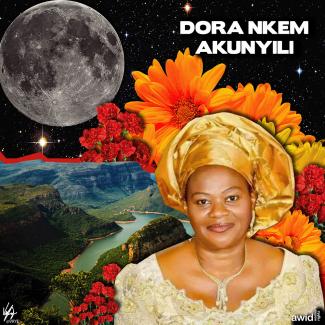
Dora Nkem Akunyili

Dora nació en el estado de Benue, Nigeria. Fue una farmacéutica, tecnócrata, investigadora erudita y líder comunitaria reconocida mundialmente.

El trabajo revolucionario de Dora produjo un cambio de paradigma en el servicio público nigeriano cuando se desempeñó como Directora General de la Agencia Nacional para la Administración y Control de Alimentos y Medicamentos, entre 2001 y 2008. Encabezó reformas en la aplicación de políticas y regulaciones que redujeron drásticamente la cantidad de drogas falsas que asolaban el sector farmacéutico nigeriano cuando asumió su cargo.

Se convirtió en un ícono del empoderamiento de las mujeres, porque fue un ejemplo real de mujer valiente y competente que desafió los males de una sociedad predominantemente patriarcal. Fue nombrada Ministra de Información y Comunicación entre 2008 y 2010.

Murió luego de una batalla contra el cáncer, y le sobreviven su esposo, seis hijxs y tres nietxs. 


Dora Nkem Akunyili, Nigeria

¿Publican un informe anual?

Sí. AWID publica informes anuales.

Todos nuestros informes anuales estan disponibles en línea.

Ver todos los informes anuales de AWID

Snippet Festival Day 2,3 (ES)

Day, Jour, Día 2 - Sept. 2, 2021
¿Pansexual, ginasexual o abrosexual ?
Una inmersión en lo queer, el placer y la sexualidad positiva

ver panel (inglés)


Tierras y territorios liberados:
Una conversación panafricana

Luam Kidane, Thousand Currents
Mariama Sonko, Nous Sommes la Solution
Yannia Sofia Garzon Valencia, VigiaAfro
Nomsa Sizani, Abahlali baseMjondolo Movement SA

ver conversación (inglés)


Twitter chat:

#SexteaComoFeminista

HOLAA Africa Adventures from the Bedrooms of African Women

#MuéstrameMás


Day, jour, día 3 festival - Sept. 3, 2021
Solidaridad Feminista cruzando fronteras:
Palestina, Myanmar y más allá

Nino Ugrekhelidze, AWID
Sandie Hanna, With and For Girls Fund
Areen Hawari, Mada alCarmel Arab Research Center
Tin Tin Nyo, Burmese Women’s Union
Nandar, Purple Feminists Group

Ver panel (inglés)


Resistir contra la criminalización:
La organización feminista por la justicia sexual y reproductiva y la integridad corporal

Nana Abuelsoud, Resurj
Sibusiso, Resurj
Inas, Resurj
Mari-Claire, Resurj
Oriana, Vecinas Feministas
Andrea Paola Hernandez, Injusta Justicia
Jasmine George, Hidden Pockets

Ver panel (inglés)


Instagram Live:

Juguetes sexuales y discapacidad

Makgosi Letimile
videos en inglés

Parte 1 Parte 2

أنا ممول/ة أو مانح/ة فردي/ة. كيف يمكنني دعم منتدى جمعية حقوق المرأة في التنمية؟

ندعوك للتواصل معنا بشأن طرق المشاركة الهادفة في المنتدى.

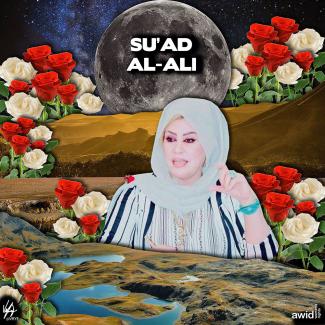
Su’ad Al-Ali

Ardente défenseure des droits des femmes et des enfants, Su’ad dirigeait Al-Weed Al-Alaiami, une organisation irakienne de défense des droits humains.

Elle a participé aux manifestations de juillet 2018 qui ont eu lieu à Bassorah et dans plusieurs autres villes irakiennes pour protester contre le chômage, réclamer des emplois et des services publics appropriés pour les citoyen-ne-s, ainsi que pour exiger l'élimination de la corruption endémique. Le 25 septembre 2018, Su’ad a été assassinée dans le quartier d’Al-Abbasiyah, dans le centre-ville de Bassorah.

Une vidéo de l’incident a montré une personne qui s'est approchée d'elle alors qu'elle montait dans sa voiture, et lui a tiré une balle dans la tête avant de pointer son arme sur son chauffeur, Hussain Hassan, qui a été blessé à l'épaule. Su’ad Al-Ali avait 46 ans et était mère de quatre enfants.


Su'ad Al Ali, Iraq

J’ai rédigé un article en rapport avec les droits des femmes et le développement. Comment puis-je le partager avec les membres de l’AWID ?

Snippet Elimination of Discrimination_Fest (FR)

Éliminer la discrimination à l’égard des travailleurs·ses du sexe

Kay Thi Win, Asia Pacific Network of Sex Workers (APNSW)
Thin Pa Pa Htun, Aye Myanmar Association
Xiao Shuang, Northeast Transgender Support Network
Cathy Ketepa, Friends Frangipani Inc. PNG
Rajeshwari Prajapati, Society for Women Awareness Nepal (SWAN)

regardez la vidéo (anglais)

هل تقدم جمعية حقوق المرأة في التنمية منح لحضور المنتدى؟

سيقدم صندوق الوصول الخاص بنا عددًا محدودًا من المنح الدراسية لتمويل مشاركة النشطاء/ الناشطات الذين/ اللواتي لا يستطيعون القيام بذلك، وليس لديهم/ن علاقات مع الممولين/ات الذين/ اللواتي يمكنهم/ن تغطية مشاركتهم/ن. لذلك إذا كان لديك احتمالات أخرى، يرجى استكشافها. سنبذل قصارى جهدنا لتقديم أكبر عدد ممكن من المنح الدراسية، وسنشارك المزيد من المعلومات حول هذه العملية وكيفية التقديم لاحقًا في أوائل العام 2024.

Fahmida Riaz

« Après
Après l’amour la première fois,
Nos corps et nos esprits nus
Une galerie des glaces,
Complètement désarmés, absolument fragiles,
Nous nous couchons dans les bras de l’autre
Respirant attentivement,
Avec la crainte de briser
Ces figurines en cristal. » - Fahmida Riaz

Fahmida Riaz a brisé les tabous sociaux en écrivant sur le désir des femmes dans ses poèmes, créant des récits alternatifs à propos du corps des femmes et de leur sexualité, et établissant de nouveaux standards dans la littérature urdu.

Son travail s’est confronté à de sévères critiques de la part des conservateurs, qui l’ont accusée d’utiliser des expressions érotiques et « pornographiques » dans son langage poétique.  

Fahmida a finalement été mise sur liste noire et accusée de sédition en vertu de l’article 124A du Code pénal pakistanais sous la dictature de Zia-ul-Haq. Forcée à l’exil en 1981, elle a passé presque sept ans en Inde avant de retourner au Pakistan. 

Dans la préface de « Badan Dareeda » (Un corps ravagé), un recueil de poèmes publié en 1974, elle écrit :

Si, en effet, je suis forcée à me tenir aujourd’hui devant ce maqtal et me confronte à la potence, je dois y faire face, la tête haute. Mes poèmes sont la trace d’une tête mutilée : des sons émanant même lorsque suspendue par des cordes… Un corps ravagé a pris la forme de razmia, ou  d’un son de rupture. Et si cette rupture est effectivement choquante pour les gens, c’est que la poète a atteint son intention : elle a réussi à la perturber. (traduction de l’urdu vers l’anglais par Asad Alvi) 

La splendeur de Fahmida résidait dans sa défiance de toute logique ou toute catégorie particulière de genre, nation, religion ou culture. Elle refusait d’être mise dans le rôle d’une « femme poète », brisant les définitions traditionnelles de la poésie féminine, des concepts et des thématiques (variant entre conscience politique, corps, culture, désir, religion, foyer), et renversant les inhibitions assignées à son genre.   

« Il faut que vous compreniez que la culture ne peut avoir d’essence. Les cultures changent, circulent entre elles, formant de nouvelles cultures. La culture est née de cette façon. Il n’y a pas de conflits de cultures. »

Fahmida a écrit plus de 15 livres de poésie et de fiction, dont son poème ‘Taaziyati Qaraardaaden’ («Résolutions de condoléances» en anglais) qui pourrait servir d'hommage approprié à sa vie et à son héritage et de collection de poèmes (Apna Jurm To Saabit He «Mon crime est prouvé») publié en 1988 durant son exil.

Fahmida Riaz est née à Meerut, en Inde, le 28 juillet 1946 et est décédée le 21 novembre 2018 à Lahore, au Pakistan. 
2005: Second High-level Dialogue takes place

Second High-level Dialogue on Financing for Development

  • The overall theme of the Second High-level Dialogue on Financing for Development, from 27-28 June 2005 was The Monterrey Consensus: status of implementation and tasks ahead. 
  • Apart from the traditional six roundtables on each of the individual chapters of the Monterrey Consensus, there was an informal interactive dialogue with the participation of a range of stakeholders including women’s rights groups.  
  • There was a call from ‘developing’ nations that global challenges and local needs and possibilities be taken into account when interacting with different groups including women, youth, people with disabilities etc. on the themes identified in the Monterrey consensus.  

Snippet Festival Artwork_fest (EN)

Festival Art!

Featuring artwork by Upasana Agarwal, Ika Vantiani, & Naadira Patel.

Click on the images to enlarge

By artist Upasana Agarwal

WebsiteInstagram

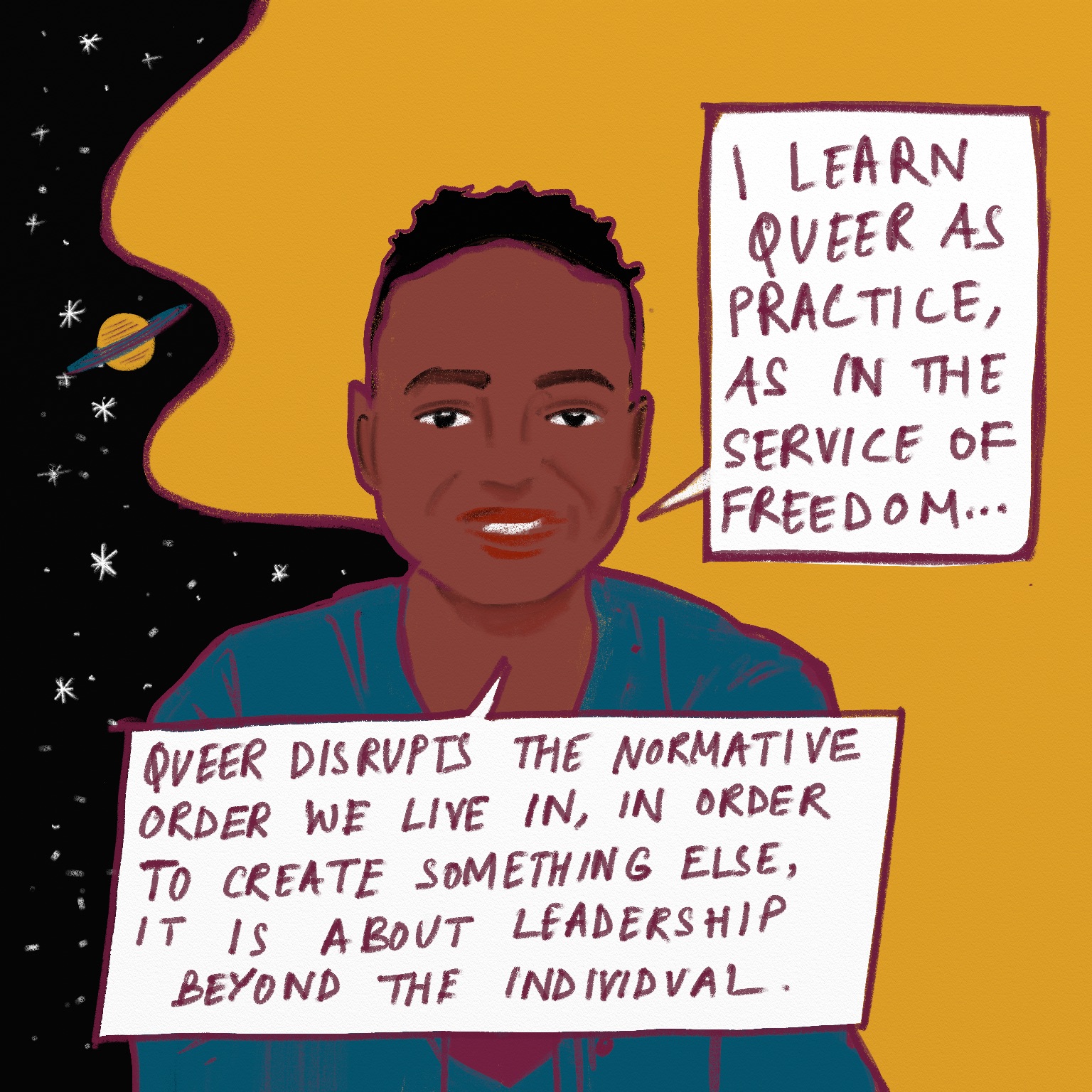
Illustrated portrait of Anima Adjepong saying I learn queer as practice, as in the service of freedom… Queer disrupts the normative order we live in, in order to create something else, it is about leadership beyond the individual
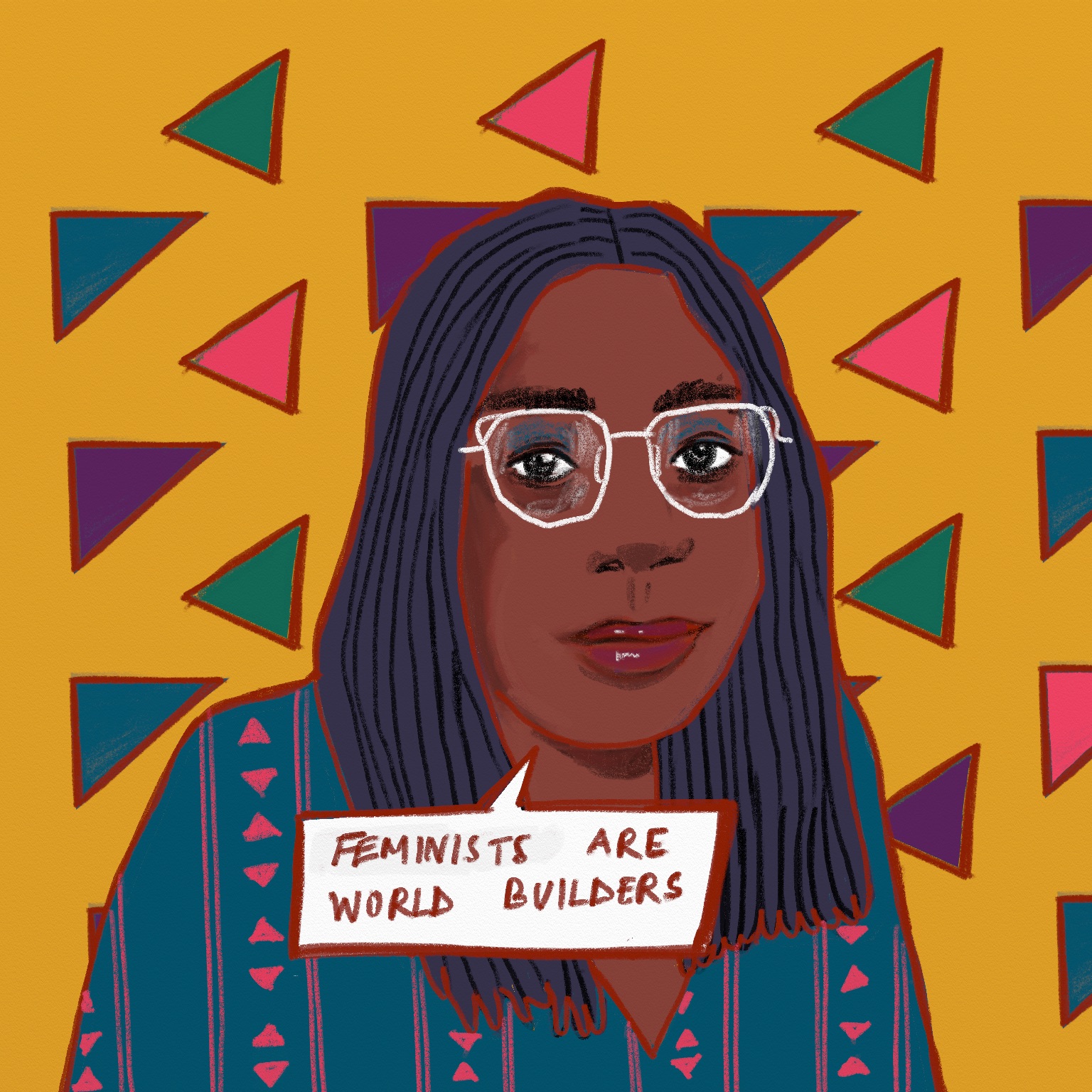
Illustrated portrait of Anwulika Okonjo that says: Feminists are World Builders
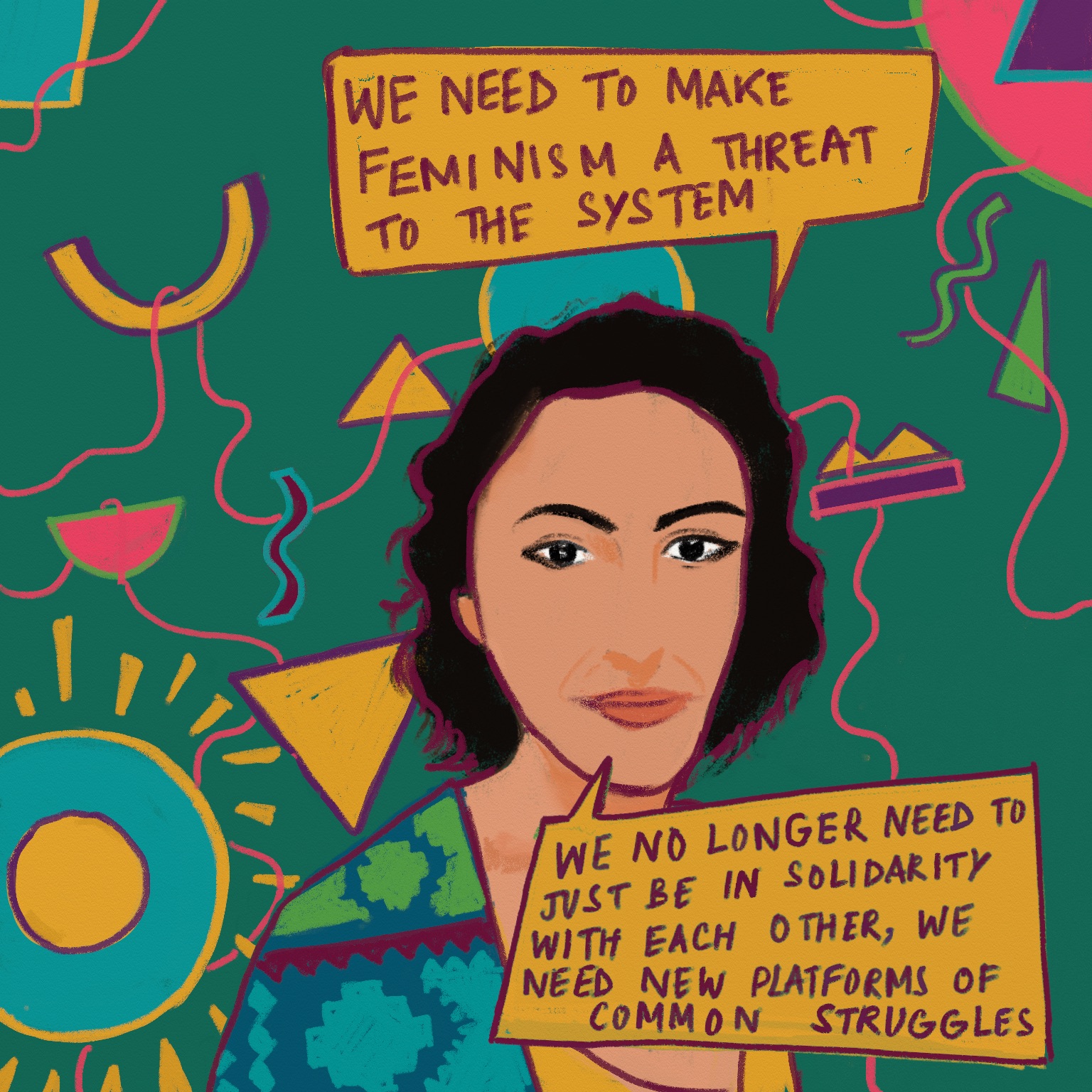
Portrait of Dilar Dirik saying: “We need to make sure that feminism is a threat to the system”  "We no longer need to just be in solidarity with each other, we need new platforms of common struggles"
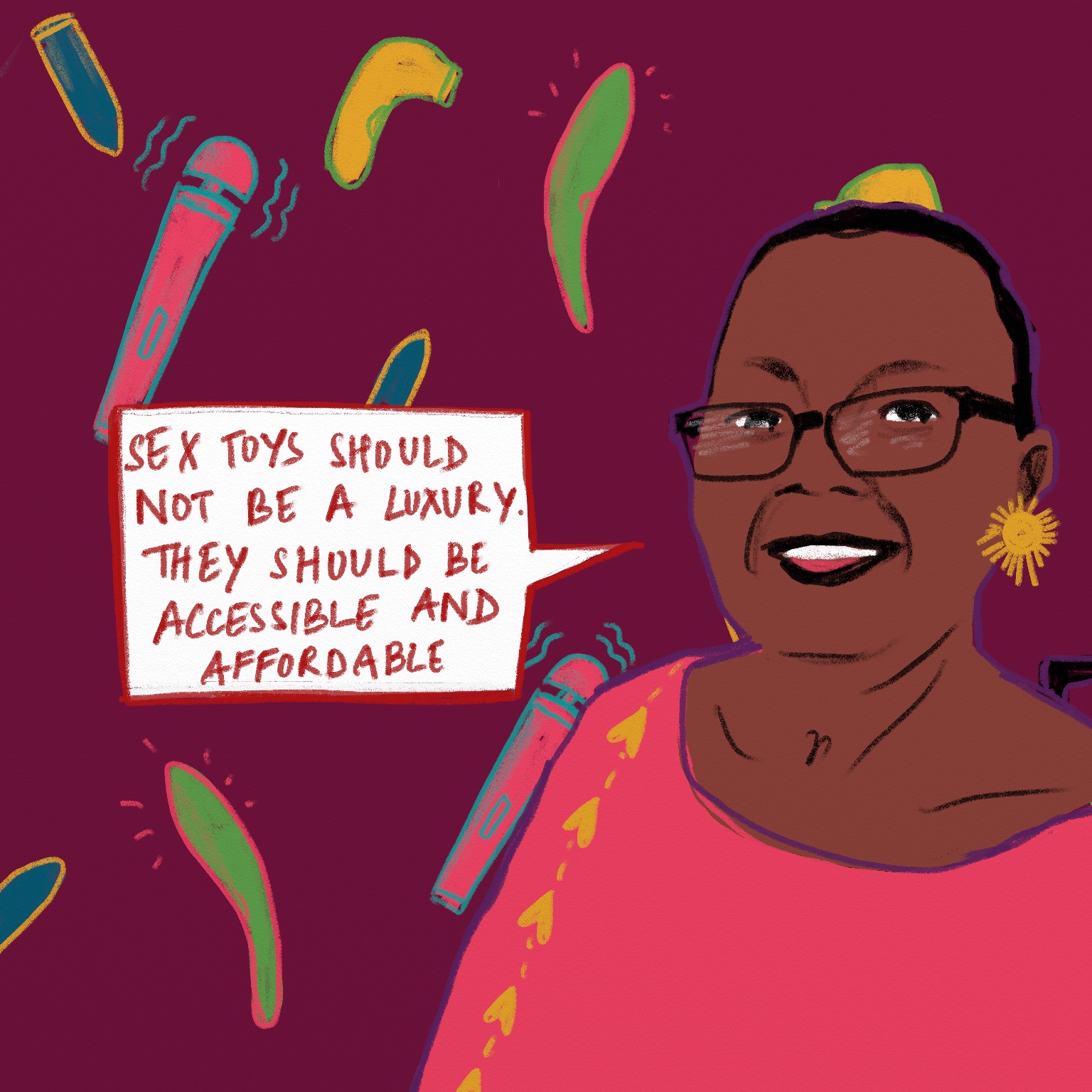
Illustrated portrait of Makgosi Letimile saying: Sex toys should not be a luxury. They should be accessible and affordable
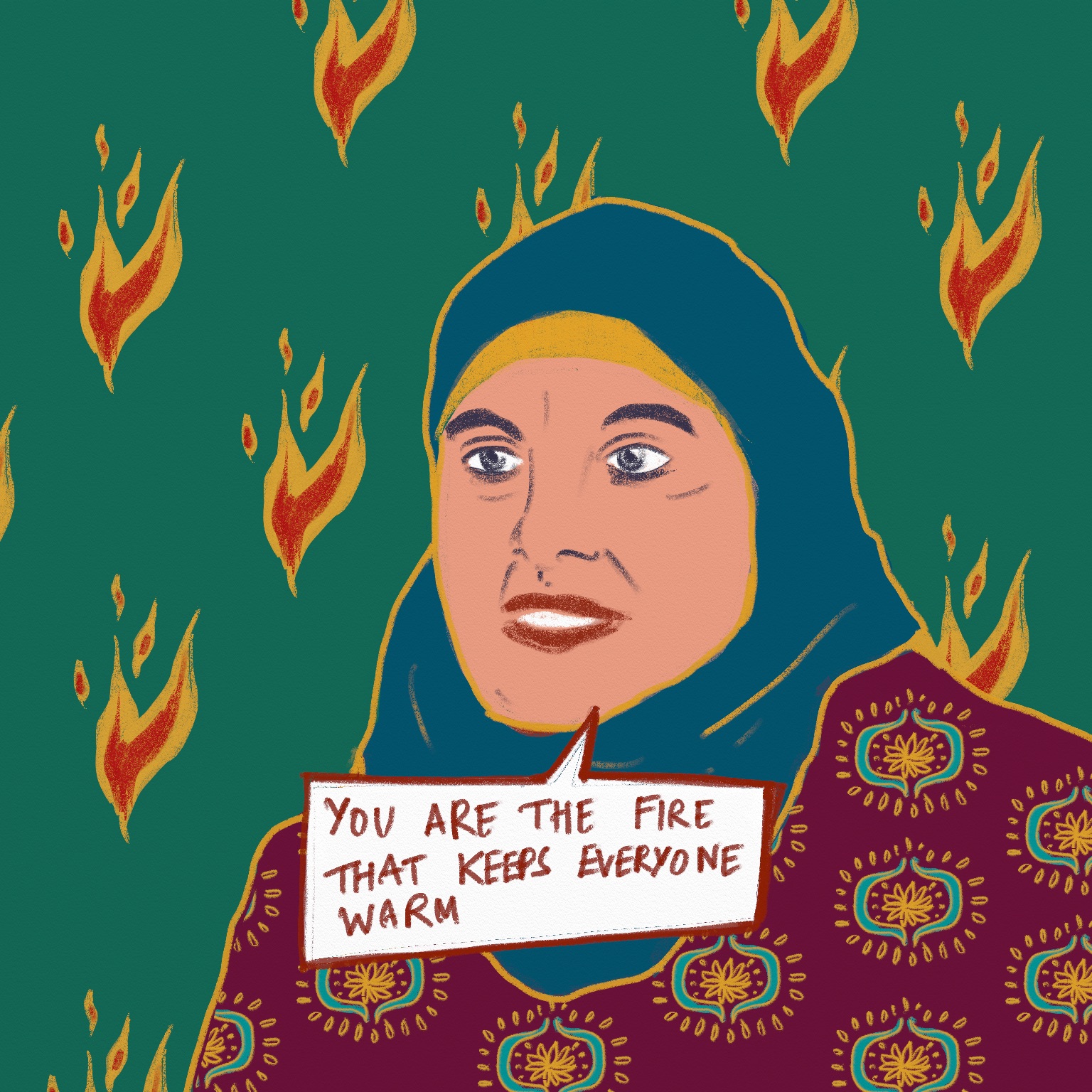
Illustrated portrait of Manal Tamimi that says: “You are the fire that keeps everyone warm"
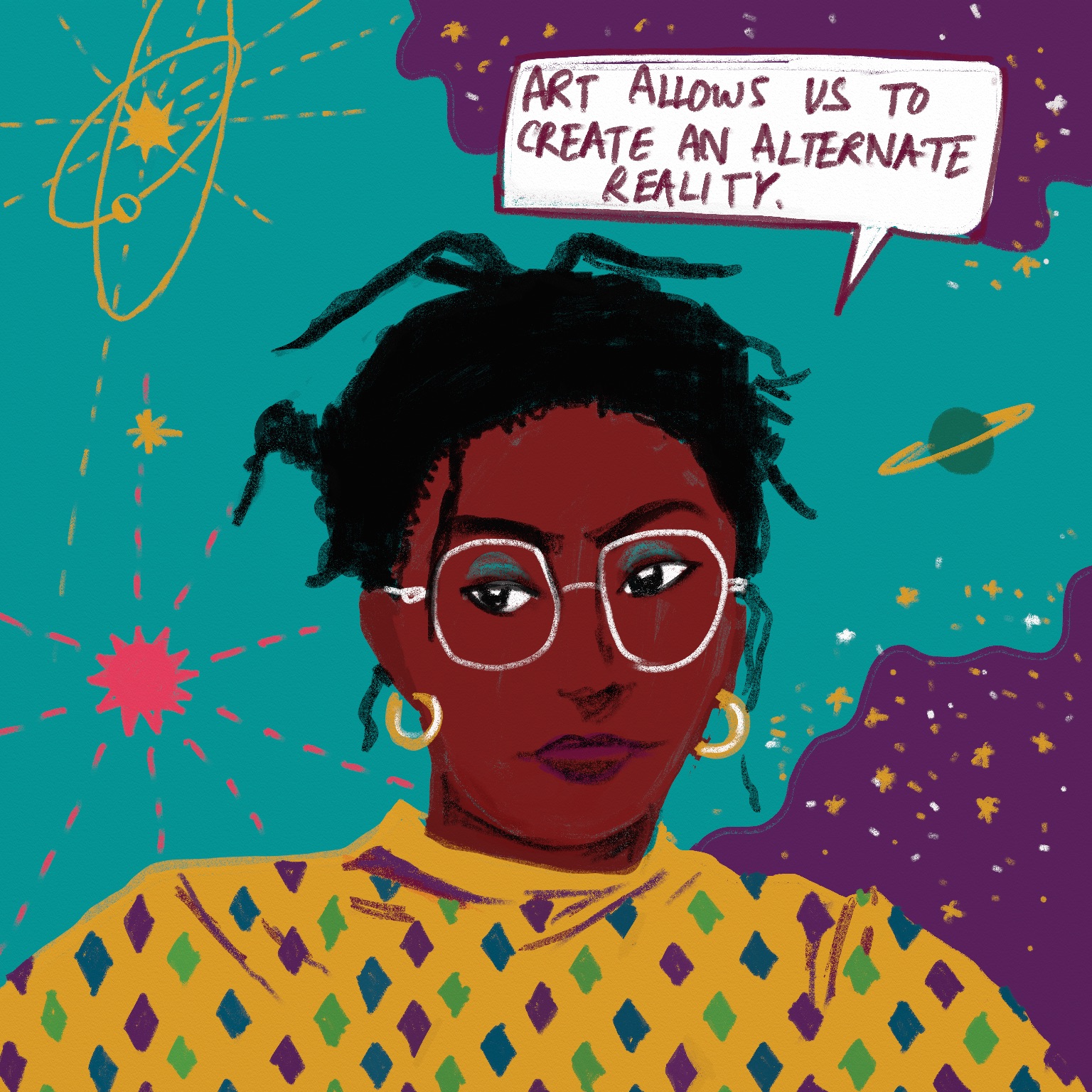
Illustrated portrait of Nana Akosua Hanson that says: "Art allows us to create an alternate reality"
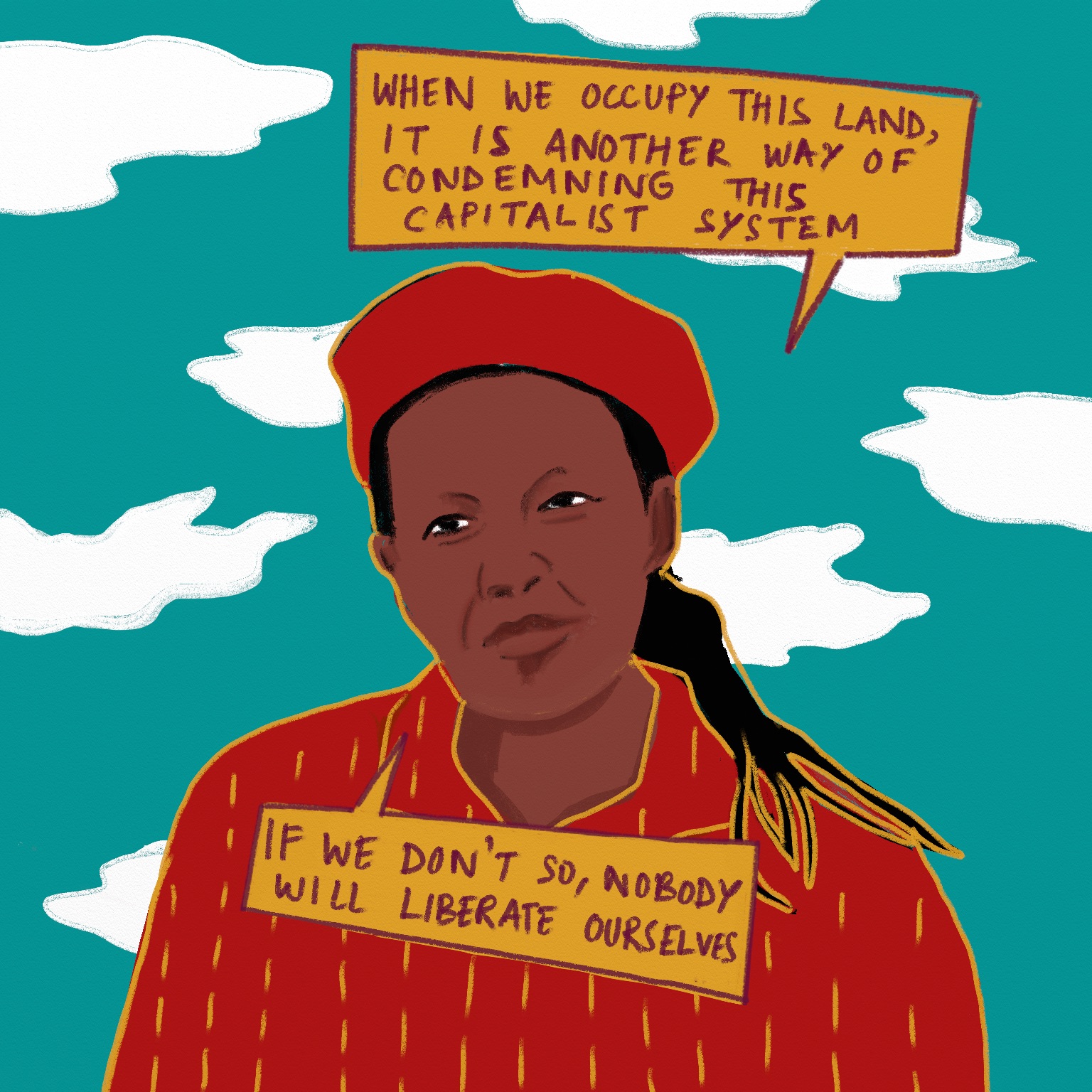
Illustrated portrait of Nomsa Sizani, over a white and turquise background, that says: “When we occupy this land, it is another way of condemning this capitalist system”  “If we don’t so, nobody will liberate ourselves”
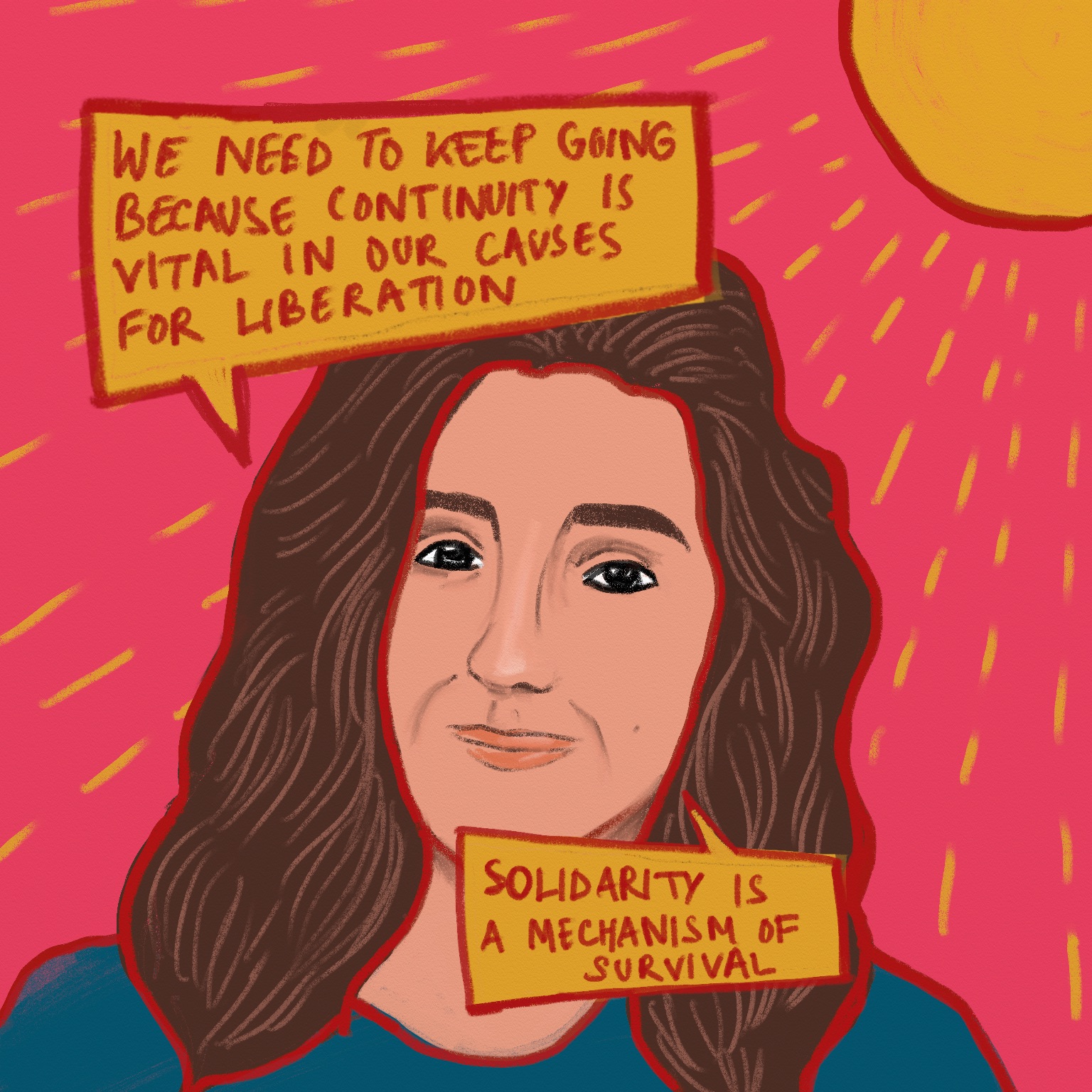
Illustrated portrait of Sandie Hanna that says: “Solidarity is a mechanism of survival”  “We need to keep going because continuity is vital in our causes for liberation”
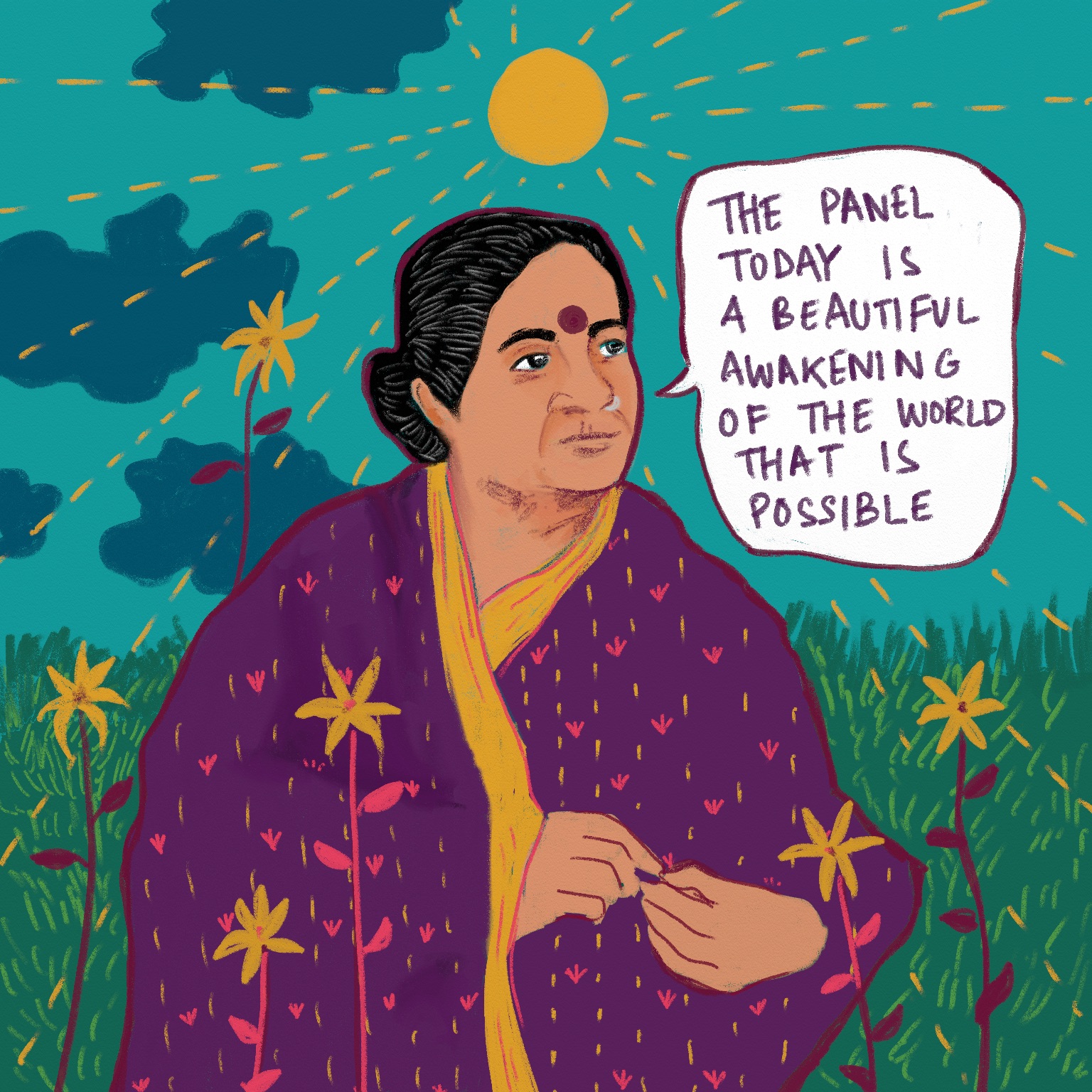
Illustrated portrait of Doctor Vandana Shiva that says: “The panel today is a beautiful awakening of the world that is possible”
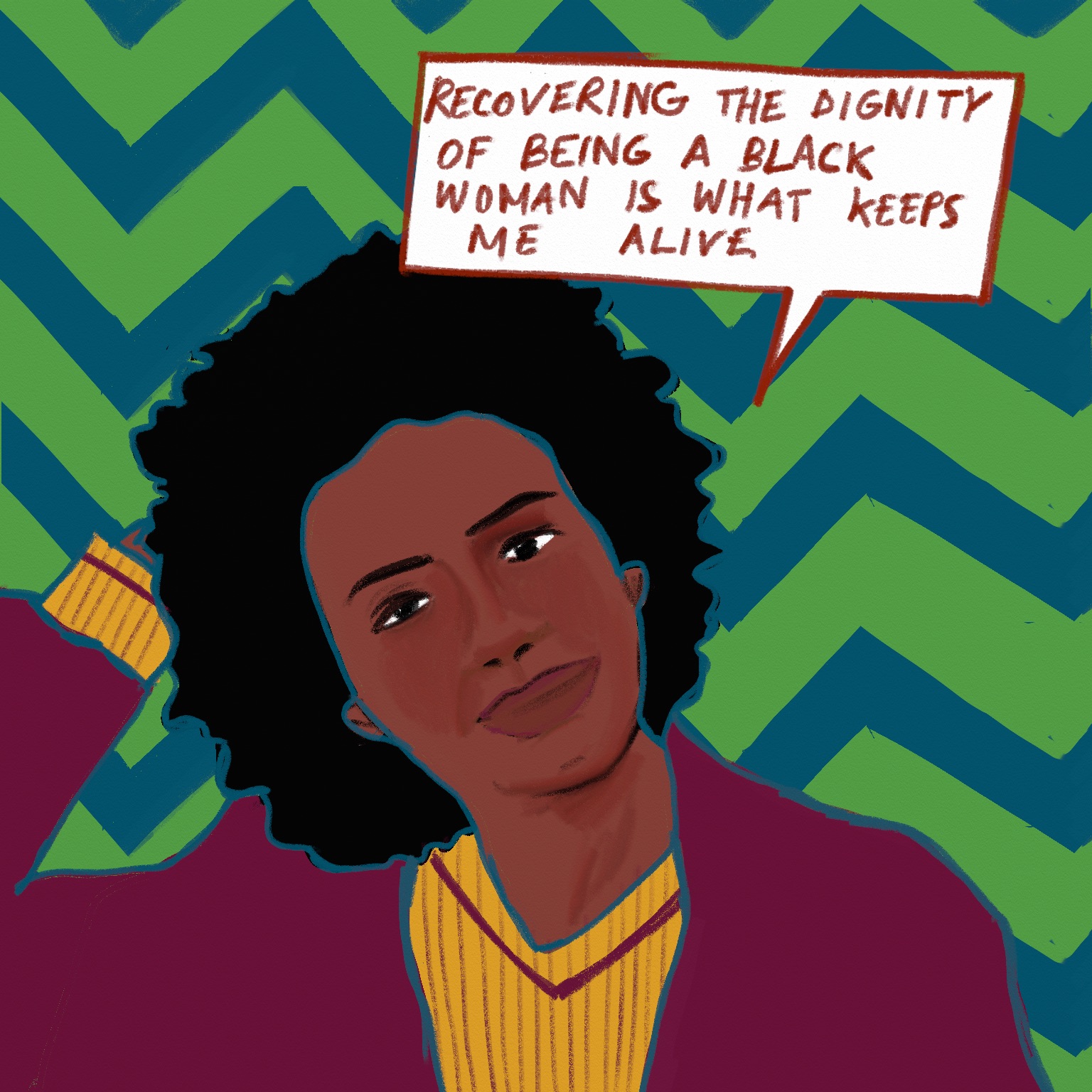
Illustrated portrait of Yannia S. Garzón that says: “Recovering the dignity of being a black woman is what keeps me alive”
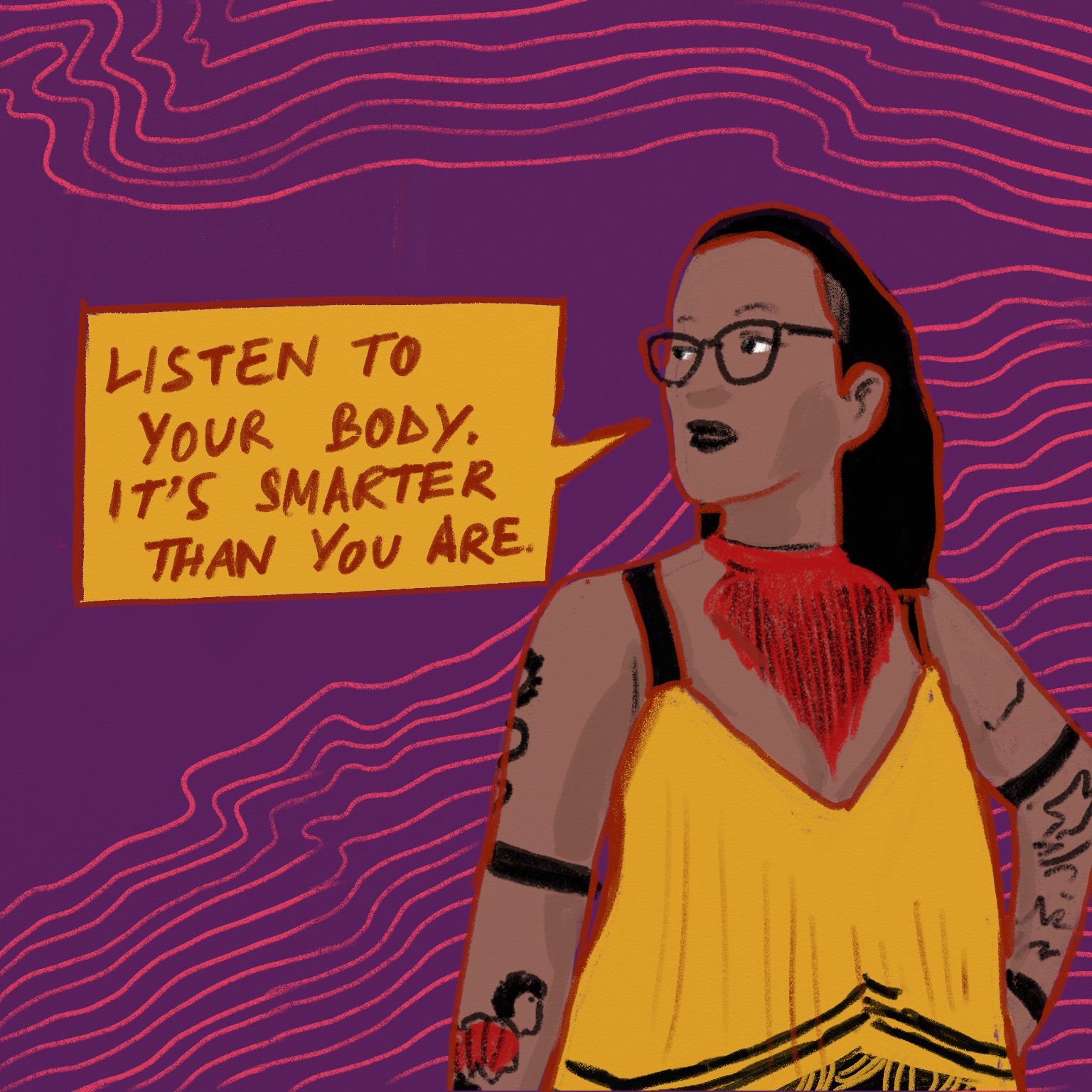
Illustrated portrait of Dr. Angelique V. Nixon that says: “Listen to your body. It’s smarter than you are.”
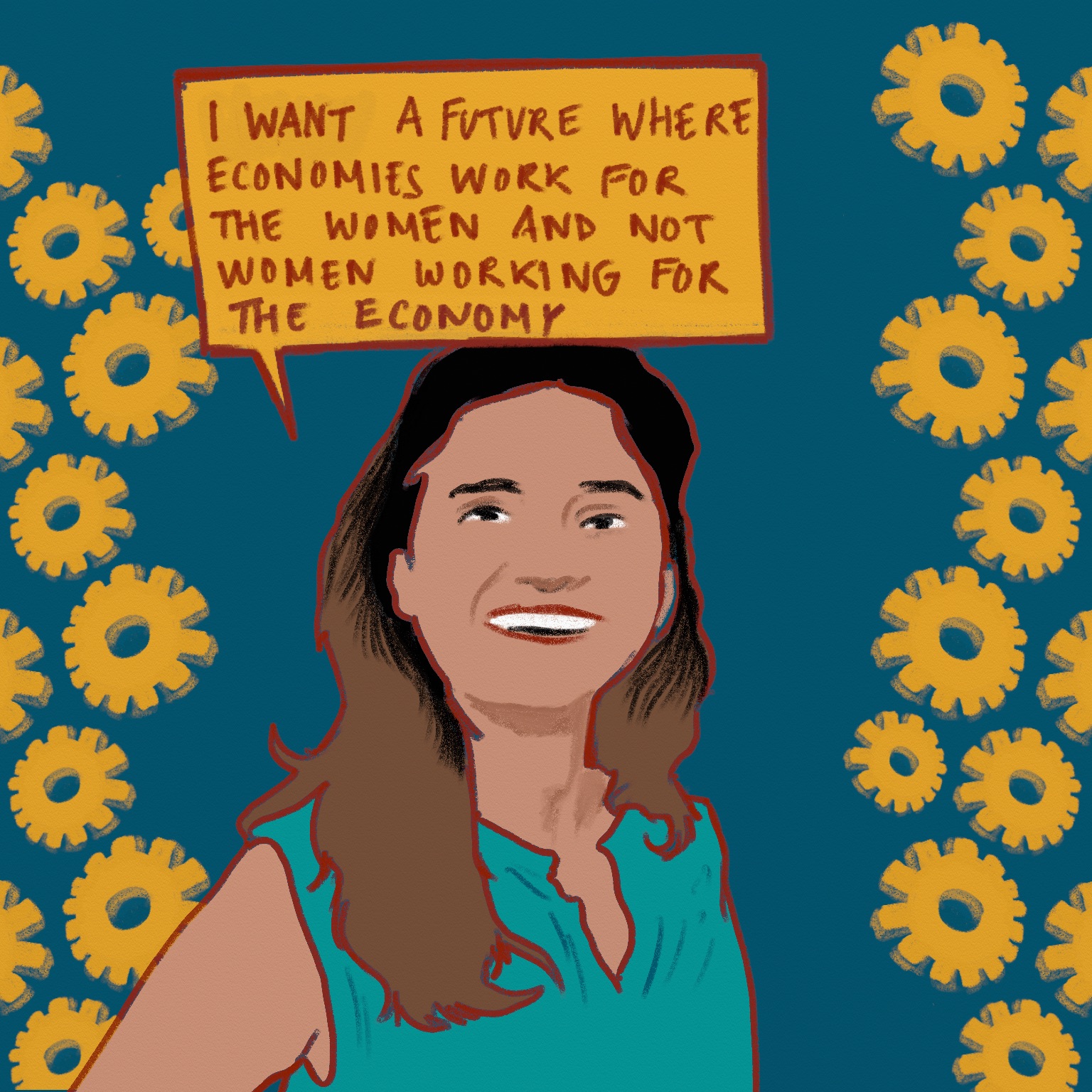
 Patricia Wattimena : I want a future where economies work for the women and not women working the economy

By artist Ika Vantiani

Facebook | TwitterInstagram

 
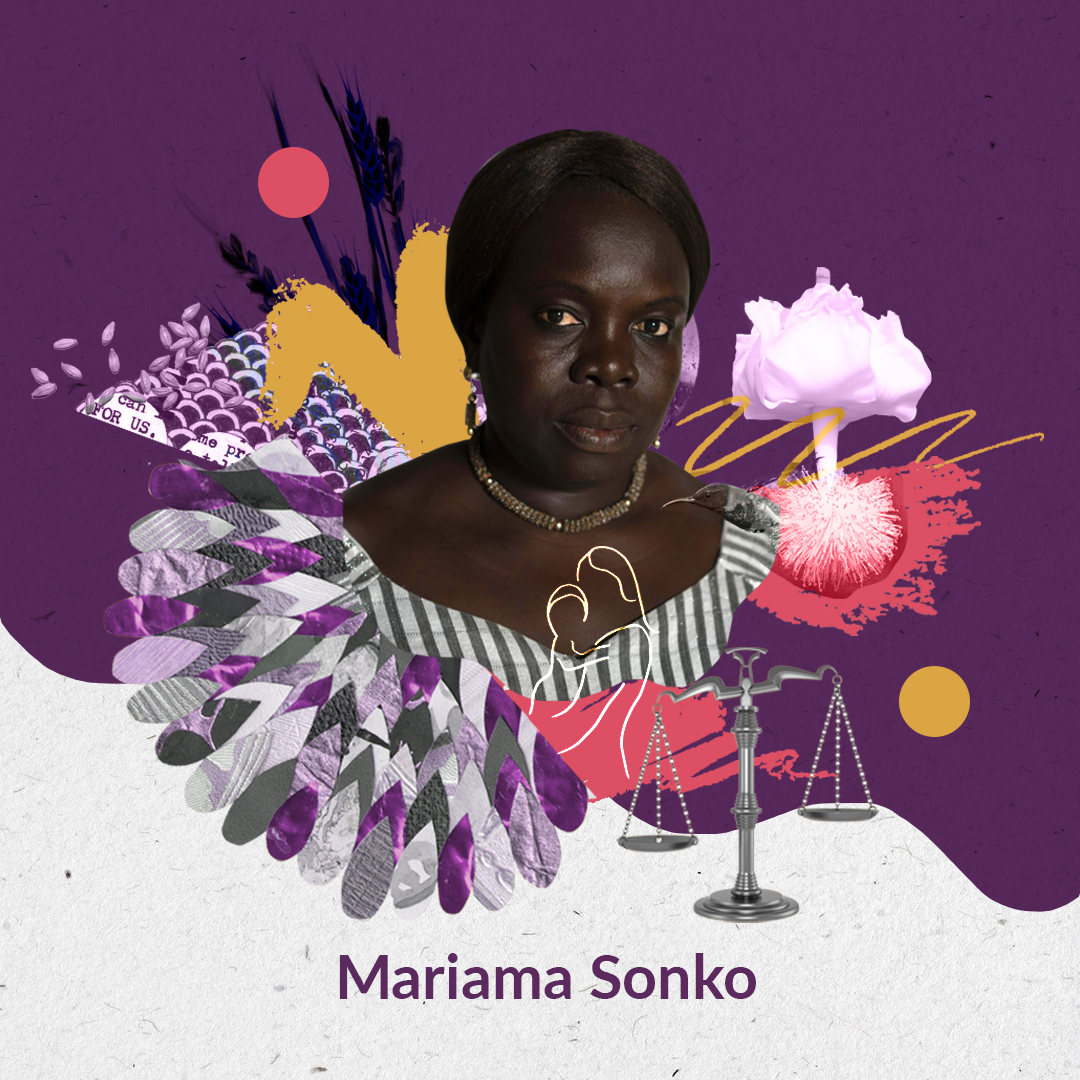
Collage of Mariama Sonko
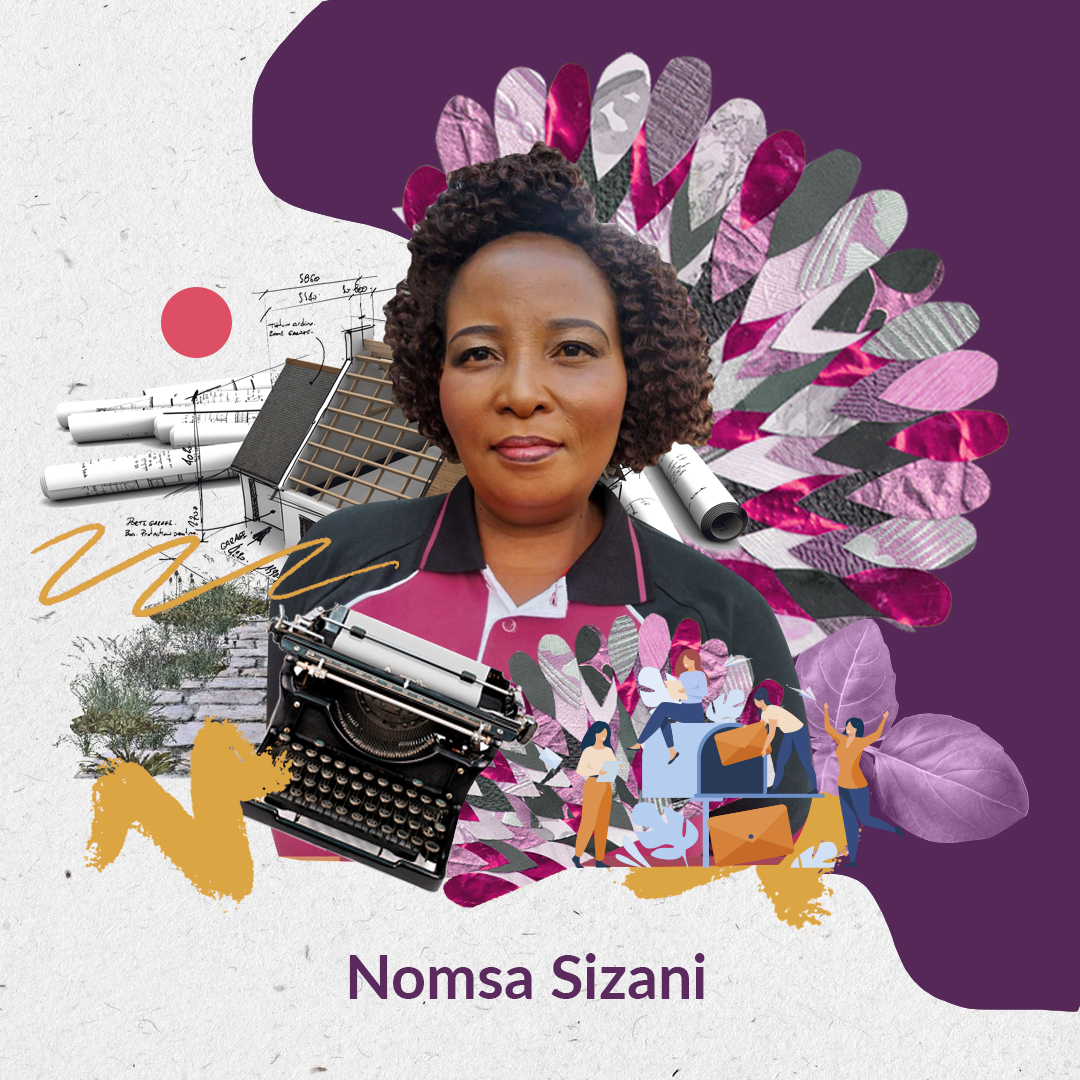
Collage of Nomsa Sizani
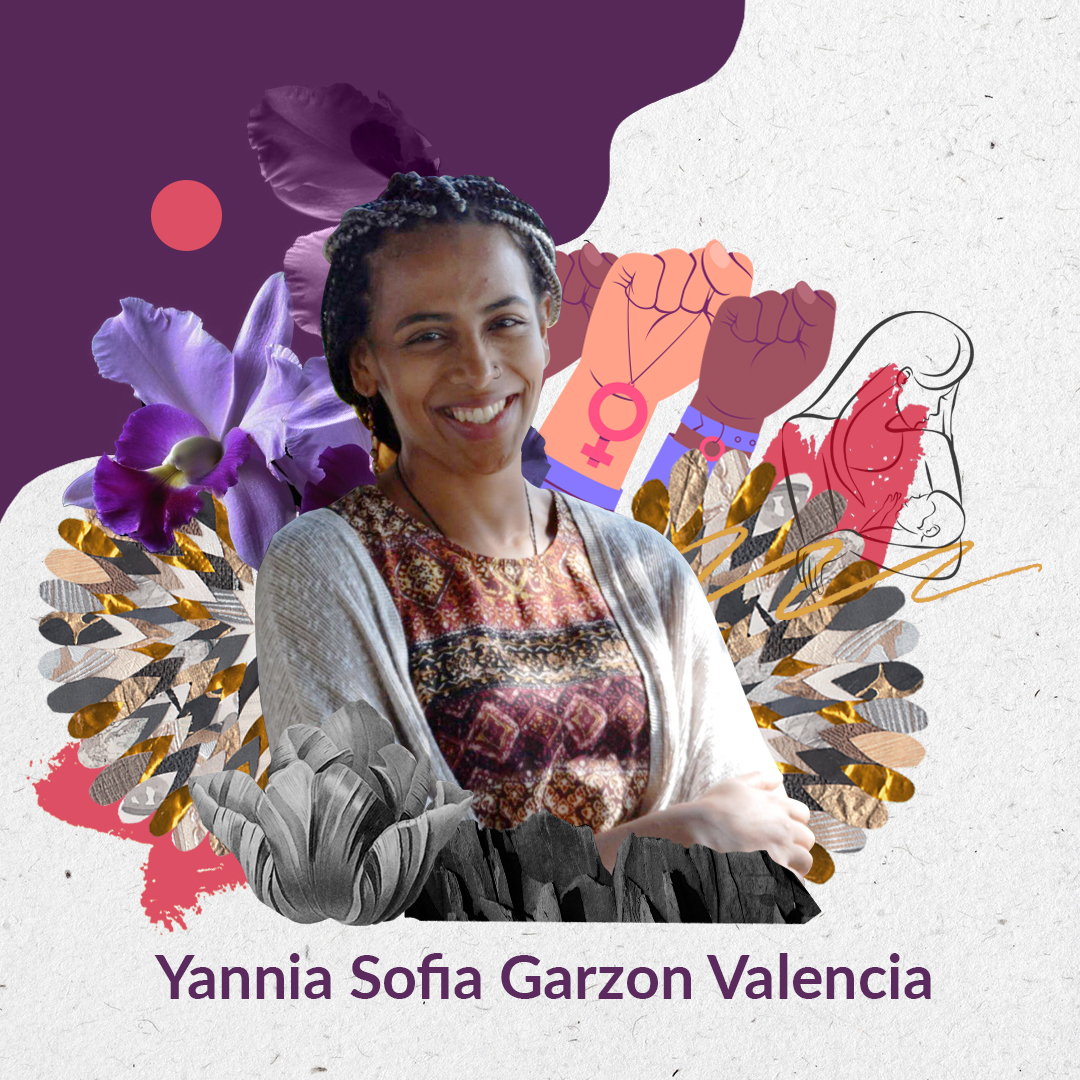
Artistic collage featuring Yania Sofia

By artist Naadira Patel 

Website | Facebook | Instagram

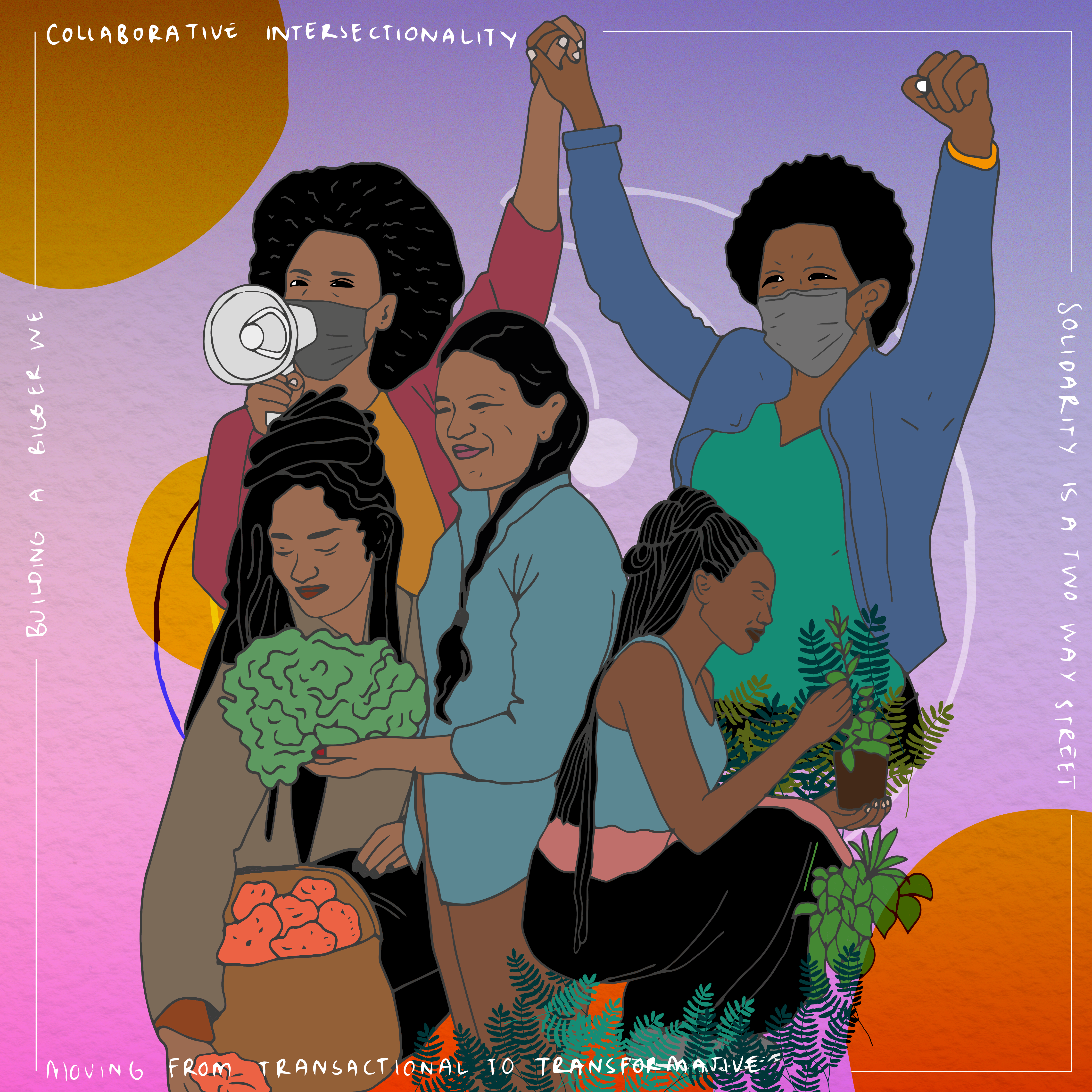
Illustration of several women of color with text that says: Moving from Transactional to Transformative
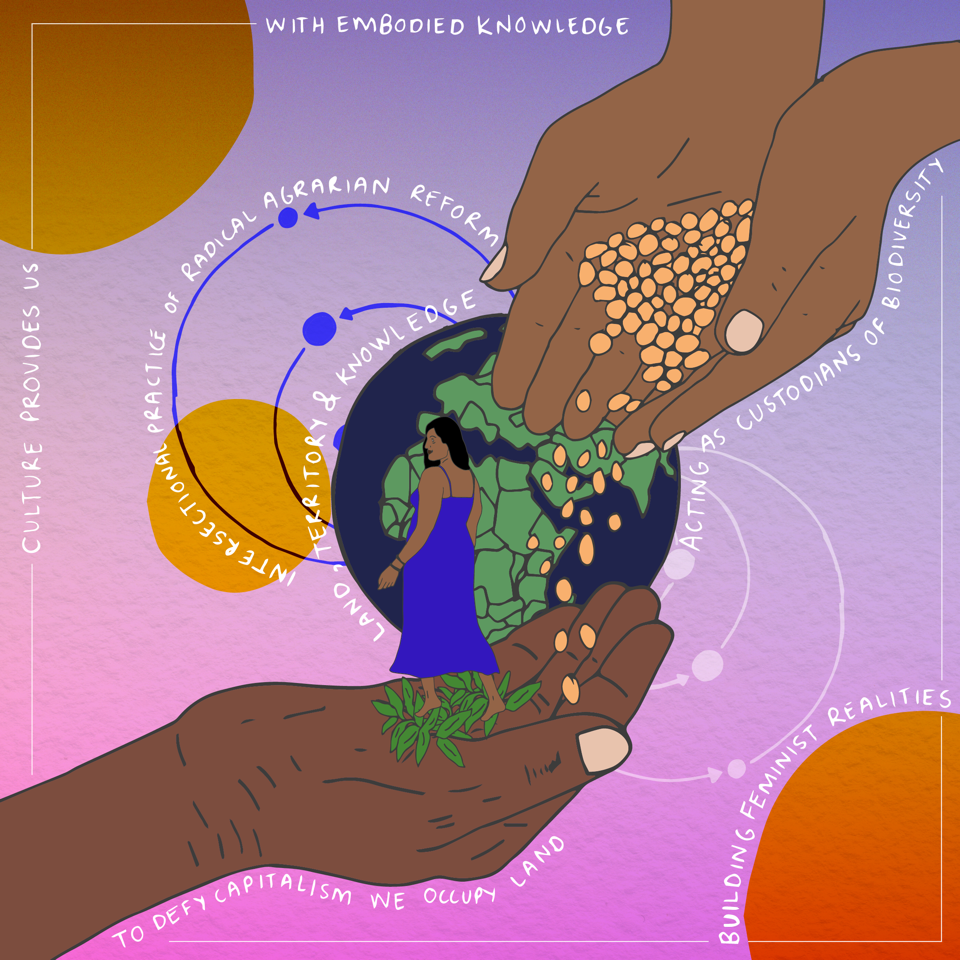
Illustration of three hand outstretched. Two are spilling seeds into the other. In the center there is planet Earth and a woman walking over plants. The text reads "To defy capitalism we occupy land acting as custodians of diversity"

لقد تقدمت بطلب للمشاركة في المنتدى السابق، هل أحتاج إلى إعادة التقديم؟

نعم من فضلك. لقد تغير العالم منذ عام 2021 ونحن ندعوك لتقديم مقترح يعكس واقعك وأولوياتك الحالية.

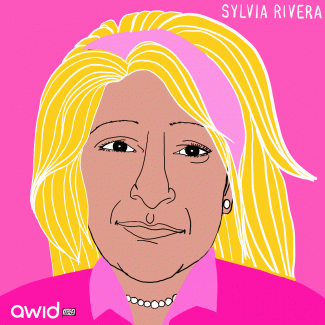
Sylvia Rivera

Sylvia Rivera was a civil rights activist, a transvestite and sex worker.

Known as the New York Drag queen of color, Silvia was fierce and tireless in her advocacy, in defense of those who  were marginalized and excluded as the “gay rights” movement mainstreamed in the United States in the early 1970’s.

In a well-known speech on Christopher Street Day in 1973, Sylvia, shouted through a crowd of LGBT community members: 

“You all tell me, go and hide my tail between my legs.
I will no longer put up with this shit.
I have been beaten.
I have had my nose broken.
I have been thrown in jail.
I have lost my job.
I have lost my apartment.
For gay liberation, and you all treat me this way?
What the fuck’s wrong with you all?
Think about that!” 

In 1969, at age 17, Silvia took part in the iconic Stonewall Riots by allegedly throwing the second Molotov cocktail to protest the police raid of the gay bar in Manhattan. She continued to be a central figure in the uprisings that followed, organizing rallies and fighting back police brutality.

In 1970, Sylvia worked together with Marsha P. Johnson to establish Street Transvestite Action Revolutionaries (S.T.A.R.), a political collective and organisation that would set up projects of mutual support for trans people living on the streets, those struggling with drug addiction and in prisons and in particular for trans people of color and those living in poverty. 

Defiant of labels, Silvia lived life in a way that challenged people in the gay liberation movement to think differently. She said: 

“I left home at age 10 in 1961. I hustled on 42nd Street. The early 60s was not a good time for drag queens, effeminate boys or boys that wore makeup like we did. Back then we were beat up by the police, by everybody. I didn't really come out as a drag queen until the late 60s. when drag queens were arrested, what degradation there was. I remember the first time I got arrested, I wasn't even in full drag. I was walking down the street and the cops just snatched me. People now want to call me a lesbian because I'm with Julia, and I say, "No. I'm just me. I'm not a lesbian." I'm tired of being labeled. I don't even like the label transgender. I'm tired of living with labels. I just want to be who I am. I am Sylvia Rivera. 

Through her activism and courage, Sylvia offered a mirror that reflected all that was wrong within society, but also the possibility of transformation. Sylvia was born in 1951 and passed away in 2002. 

2011: el quinto Diálogo de Alto Nivel inicia las conversaciones sobre la Agenda de Desarrollo Post-2015

El Quinto Diálogo de Alto Nivel sobre la Financiación para el Desarrollo, realizado el 7 y 8 de diciembre de 2011, marcó el comienzo de las conversaciones en torno a la Agenda de Desarrollo Post-2015 y sus relaciones con la financiación para el desarrollo. Esta conferencia puso especial énfasis en incrementar la ayuda para financiar los ODM. En sus observaciones finales, el Presidente en Funciones de la Asamblea General pidió a los Estados Miembros que comenzaran a pensar en el marco para el desarrollo post-2015.

Snippet Art Gift_Fest (EN)

Download our zoom background & printable postcard!

by Ellena Ekarahendy. 

Download here