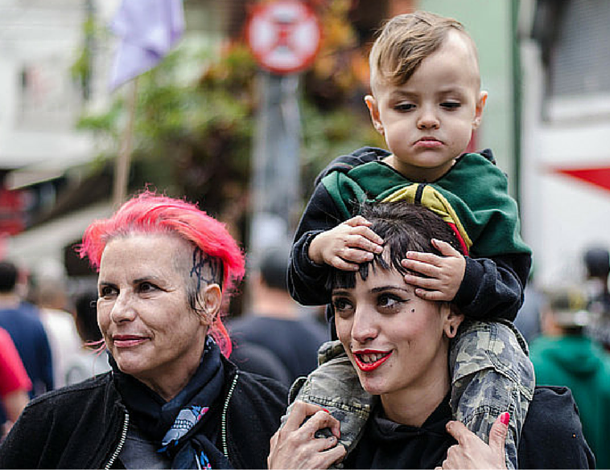
Flickr/Leonardo Veras (CC BY 2.0)

Protection of the Family

The Issue

Over the past few years, a troubling new trend at the international human rights level is being observed, where discourses on ‘protecting the family’ are being employed to defend violations committed against family members, to bolster and justify impunity, and to restrict equal rights within and to family life.

The campaign to "Protect the Family" is driven by ultra-conservative efforts to impose "traditional" and patriarchal interpretations of the family, and to move rights out of the hands of family members and into the institution of ‘the family’.

“Protection of the Family” efforts stem from:

  • rising traditionalism,
  • rising cultural, social and religious conservatism and
  • sentiment hostile to women’s human rights, sexual rights, child rights and the rights of persons with non-normative gender identities and sexual orientations.

Since 2014, a group of states have been operating as a bloc in human rights spaces under the name “Group of Friends of the Family”, and resolutions on “Protection of the Family” have been successfully passed every year since 2014.

This agenda has spread beyond the Human Rights Council. We have seen regressive language on “the family” being introduced at the Commission on the Status of Women, and attempts made to introduce it in negotiations on the Sustainable Development Goals.


Our Approach

AWID works with partners and allies to jointly resist “Protection of the Family” and other regressive agendas, and to uphold the universality of human rights.

In response to the increased influence of regressive actors in human rights spaces, AWID joined allies to form the Observatory on the Universality of Rights (OURs).  OURs is a collaborative project that monitors, analyzes, and shares information on anti-rights initiatives like  “Protection of the Family”.

Rights at Risk, the first OURs report, charts a map of the actors making up the global anti-rights lobby, identifies their key discourses and strategies, and the effect they are having on our human rights.   

The report outlines “Protection of the Family” as an agenda that has fostered collaboration across a broad range of regressive actors at the UN.  It describes it as: “a strategic framework that houses “multiple patriarchal and anti-rights positions, where the framework, in turn, aims to justify and institutionalize these positions.”

 

Related Content

Snippet Kohl - Plénière | S’organiser pour gagner!

Plénière | S’organiser pour gagner!

avec Nazik Abylgaziva, Amaranta Gomez Regalado, Cindy Weisner et Lucineia Freitas.

YOUTUBE

Snippet - COP30 - Feminist Demands for COP30 col 2

What We Demand:

  • Climate finance as reparations: grants, not loans
  • Direct funding to frontline communities
  • Phasing out fossil fuels NOW
  • Defunding military and prison complexes
  • Corporate accountability mechanisms
  • Enabling environments for feminist alternatives to thrive
  • The liberation of Palestine, Congo and Sudan
  • Debt cancellation and an end to austerity
  • Rapid, direct and flexible funding to frontline communities
  • Decolonial feminist just transitions

Ȃurea Mouzinho

Biography

Ȃurea Mouzinho es una activista feminista por la justicia económica de Luanda, Angola, que tiene una carrera de diez años en investigación, otorgamiento de subvenciones, incidencia y construcción de movimientos por los derechos de las mujeres y la justicia económica en toda África y en el Sur global. Actualmente es Directora de Programa para África en Thousand Currents, y es parte del consejo editorial de Feminist Africa. También integra Ondjango Feminista, una colectiva feminista que cofundó en 2016. Recientemente ha sido madre de un niño de Géminis, y disfruta los días tranquilos con su joven familia y los largos paseos por la playa. Ocasionalmente publica tweets con el nombre de usuarie @kitondowe.

Add to stories
Off

Les savoirs communautaires pour bâtir des futurs justes

Le contexte

Aujourd'hui, de nombreux systèmes de savoirs communautaires sont en danger.

Les changements qui surviennent à une vitesse effrénée sur le plan économique, politique et culturel détruisent les environnements, les pratiques et les moyens de subsistance. Diverses formes de connaissances sombrent dans l’oubli, sont marchandées et colonisées dans le cadre de la mondialisation massive, de la promesse de gains à court terme, ou encore contre des solutions de fortune.

Définition

Le Buen Vivir (le bien-vivre), un concept adapté à partir des connaissances des peuples autochtones andins, est décrit comme la réalisation collective d'une vie d'accomplissement fondée sur des relations harmonieuses et équilibrées entre les êtres humains et tous les êtres vivants, dans la réciprocité et la complémentarité. Cela implique de reconnaître que les êtres humains sont une partie intégrante de la nature, que nous dépendons de la nature et que nous sommes interdépendant-e-s entre nous.

La vision inhérente à la notion de Buen Vivir intègre la production et la reproduction comme processus indissociables de l'économie, de la production de richesse et des conditions de vie.

Perspective féministe

D’une perspective féministe, le Buen Vivir valorise les relations et les ressources mobilisées dans les cycles de production et de reproduction, favorisant l’équilibre (non seulement celui des marchés) afin de garantir la continuité et les changements, tant qu'ils sont compatibles avec la justice économique et la pérennité de la vie.

Certaines conceptions binaires liées au genre et à la complémentarité entre les hommes et les femmes ont été critiquées par les féministes puisqu’elles laissent peu de place à une discussion plus approfondie sur le patriarcat hétérocentrique et les relations de genre ‘non conformes’.

Cela dit, l'une des principales contributions de l’application du principe Buen Vivir aux cadres politiques, économiques et sociaux, consiste à ce que l'égalité ne représente plus le paradigme des droits individuels, ayant plutôt pour objet la transformation de l’ensemble de la société.


Pour en savoir plus sur cette proposition :

  • Buen Vivir: An introduction from a women’s rights perspective in Bolivia (Une perspective des droits des femmes sur le Buen Vivir en Bolivie : Une introduction, disponible en anglais). Dans son article, Martha Lanza conteste l'idée que le Buen Vivir est neutre en matière de genre et réclame le démantèlement des structures de pouvoir patriarcales qui persistent. Dans la même publication, Magdalena León analyse d’une perspective de genre la façon dont la cosmovision du Buen Vivir cherche à vaincre les idéaux d'expansion et de croissance permanentes, en plus de mettre en lumière les préjugés sexistes qui doivent être pris en compte.
  • Buen Vivir: Today’s Tomorrows (Les lendemains d’aujourd’hui) par Eduardo Gudynas (en anglais).
  • Indigenous Women's Visions of an Inclusive Feminism (Visions de femmes autochtones pour un féminisme inclusif), par Myrna Cunningham (en anglais). Un document qui met en évidence les contributions essentielles des femmes autochtones à la construction d'un mouvement féministe plus diversifié, inclusif et fort.

CFA 2023 - Who, where, when - FR

Quand : du 2 au 5 décembre 2024
Où : Bangkok, Thaïlande; et en ligne
Qui : Environ 2 500 féministes du monde entier participant en personne, et 3 000 participant virtuellement

Sexting Like a Feminist: Humor in the Digital Feminist Revolution | Title Snippet

Sextoter comme une féministe : humour et révolution féministe numérique

par Chinelo Onwualu

Snippet - COP30 - Ecozine card - FR

📰 La solidarité féministe transnationale : un antidote à l’écocide

Ce fanzine collectif est issu d’une série de cercles de partage organisés en 2022, rassemblant des féministes des quatre coins du monde. Ces rencontres visaient à partager des expériences et à s’enrichir mutuellement pour découvrir comment les communautés réagissent à la crise climatique dans divers contextes locaux.

Téléchargez le fanzine

Fatima Qureshi

Biography

A nomad of cultures, born in Hong Kong, rooted in Turkish-Pakistani heritage, Fatima’s love for narratives - both in reading and co-creating them - fueled her passion for communications activism. Supported by her education in journalism, Fatima has worked for 7 years in digital and media communications fields with NGOs that provide education opportunities and legal aid to refugee and asylum seekers, as well as with the Muslim feminist movement which applies feminist and rights-based lenses in understanding and searching for equality and justice within Muslim legal tradition. She is a regular op-ed writer on feminist issues in the Global South.

Through storytelling in this hyper-digital age of social media, Fatima continues to collaborate with community organizers and grassroots activists to create audiovisual content with the aim to cultivate bridges of understanding towards collective liberation and decolonization. On days when she’s not working, she intently watches independent feminist films coming from Iran, Morocco and Pakistan and on other days, she performs spoken word poetry with her comrades in Kuala Lumpur.

Position
ICM Digital Communications and Partnerships Lead
Add to stories
Off

Protection of the Family - Opposition Views

New conservative alliance:

Conservative organizing and policy

State supporters

CFA 2023 - Learn more about - EN

Learn more about AWID's 15th International Forum

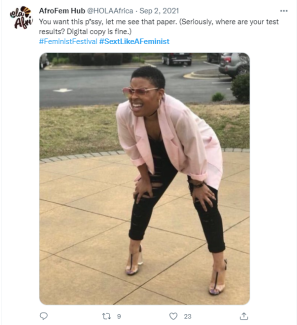
#8 - Sexting like a feminist Tweets Snippet EN

When you’ve just met and need a good opening line.

Let's take it nice and slow. Orgasms, much like feminists movement building, take time, energy and a little creativity.

COP30: Homepage Banner - ES

COP30: Recuperar la acción por el clima del control corporativo

Cuando les líderes se reúnen en Brasil, los movimientos feministas hacemos incidencia, nos congregamos y alteramos el statu quo. Nos dirigimos, junto con otres feministas a Belém (Brasil) del 10 al 21 de noviembre de 2025. Allí continuaremos denunciando las soluciones falsas

Conoce más

Nana Abuelsoud

Biography

Nana es una organizadora feminista e investigadora en derechos reproductivos y políticas demográficas que reside en Egipto. Es miembro de RESURJ (organización feminista por la justicia sexual y reproductiva), del Órgano Asesor del Proyecto A del Líbano y de la Comisión de la Comunidad de Mama Cash. Nana tiene una maestría en Salud Pública del Instituto KIT y la Universidad Vrije de Ámsterdam. En su trabajo, da seguimiento y contextualiza las políticas demográficas nacionales, al tiempo que reúne información para abordar la eugenesia moderna, las ayudas internacionales de carácter regresivo y el autoritarismo. Anteriormente, formó parte de la Fundación de Ginebra para la Educación y la Investigación Médica, la Iniciativa Egipcia para los Derechos Personales y el Colectivo Feminista Ikhtyar de El Cairo.

Add to stories
Off

TEST - MAP

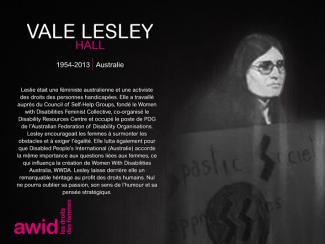
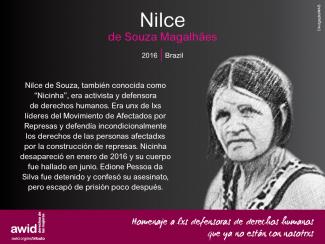
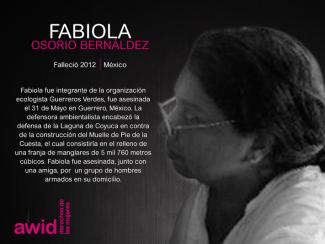
WHRD Tribute - 2017

We can have an intro here

And maybe a little bit more text here

CFA 2023 - breadcrumbs Menu _ awid-forum-ar

#4 - Sexting like a feminist Tweets Snippet ES

Lxs feministas de verdad no critican a nadie por ser rarx

Image of a tweet. Text says: The revolution in your pants will not be televised... unless you're into that kind of thing. Which we can discuss... viva.

La revolución en tus calzones no la pasarán por la tele… a menos que eso sea lo que te gusta; lo podemos hablar… ¡viva! [carita con lágrimas de placer]