
Magdalena Reyes Salazar
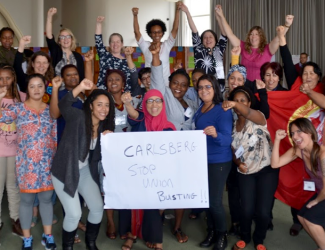
Women human rights defenders (WHRDs) worldwide defend their lands, livelihoods and communities from extractive industries and corporate power. They stand against powerful economic and political interests driving land theft, displacement of communities, loss of livelihoods, and environmental degradation.
Extractivism is an economic and political model of development that commodifies nature and prioritizes profit over human rights and the environment. Rooted in colonial history, it reinforces social and economic inequalities locally and globally. Often, Black, rural and Indigenous women are the most affected by extractivism, and are largely excluded from decision-making. Defying these patriarchal and neo-colonial forces, women rise in defense of rights, lands, people and nature.
WHRDs confronting extractive industries experience a range of risks, threats and violations, including criminalization, stigmatization, violence and intimidation. Their stories reveal a strong aspect of gendered and sexualized violence. Perpetrators include state and local authorities, corporations, police, military, paramilitary and private security forces, and at times their own communities.
AWID and the Women Human Rights Defenders International Coalition (WHRD-IC) are pleased to announce “Women Human Rights Defenders Confronting Extractivism and Corporate Power”; a cross-regional research project documenting the lived experiences of WHRDs from Asia, Africa and Latin America.
"Women Human Rights Defenders confronting extractive industries: an overview of critical risks and Human Rights obligations" is a policy report with a gender perspective. It analyses forms of violations and types of perpetrators, quotes relevant human rights obligations and includes policy recommendations to states, corporations, civil society and donors.
"Weaving resistance through action: Strategies of Women Human Rights Defenders confronting extractive industries" is a practical guide outlining creative and deliberate forms of action, successful tactics and inspiring stories of resistance.
The video “Defending people and planet: Women confronting extractive industries” puts courageous WHRDs from Africa, Asia, and Latin America in the spotlight. They share their struggles for land and life, and speak to the risks and challenges they face in their activism.
Challenging corporate power: Struggles for women’s rights, economic and gender justice is a research paper outlining the impacts of corporate power and offering insights into strategies of resistance.
AWID acknowledges with gratitude the invaluable input of every Woman Human Rights Defender who participated in this project. This project was made possible thanks to your willingness to generously and openly share your experiences and learnings. Your courage, creativity and resilience is an inspiration for us all. Thank you!
Primer Diálogo de Alto Nivel sobre la Financiación para el Desarrollo, 29 y 30 de octubre de 2003
Uno de los mecanismos de seguimiento de la Conferencia de Monterrey fueron los Diálogos de Alto Nivel sobre la Financiación para el Desarrollo organizados cada dos años por la Asamblea General de la ONU. En total, ya se realizaron ocho mesas redondas en las que se ha continuado el Diálogo acerca de distintos temas como los subsidios a la agricultura, el comercio, el alivio de la deuda y la financiación para los ODM. En todas ellas se prestó especial atención a los obstáculos estructurales que colocan en desventaja a las naciones ‘en desarrollo’.
Otros mecanismos de seguimiento a Monterrey son los siguientes:
É claro que sim, queremos saber mais sobre si e sobre a sua experiência com o financiamento.
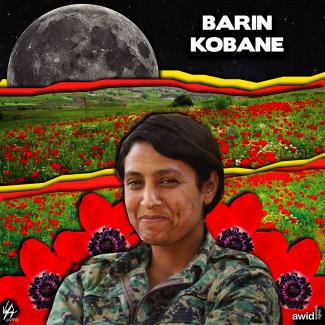
Barin was a member of the all-women fighting unit of the Kurdish People’s Protection Unit (YPG)
She was killed while on active duty.
Lebanese journalist Hifaa Zuaiter wrote: “Barin represents everything we have heard about the courage of the Kurdish female fighters, and her death is far more than the killing of a rival, or the result of a political or ethnic struggle. The horror of displaying her body only because she is a woman stems from the fact that she dared to threaten male hegemony by becoming a female fighter on a battlefield meant for men”.
يشمل التمويل الخارجي المنح والأشكال الأخرى من التمويل من المؤسسات الخيرية، الحكومات، الجهات ثنائية الاتجاه أو متعددة الاتجاهات أو الممولين/ات من الشركات أو الممولين/ات الأفراد، إن كان ذلك من دولتكم/ن أو من الخارج. لا يشمل هذا الموارد التي تنتجها المجموعات، المنظمات أو الحركات بشكل مستقل مثل رسوم العضوية، تطوع الطاقم أو الأعضاء/ العضوات أو الداعمين/ات، تجنيد الأموال المجتمعي، تأجير الأماكن أو بيع الخدمات أو المنتجات. لتسهيل عملية تعبئة الاستطلاع، تم شمل تعريف أنواع التمويل ووصفها بشكل قصير في الاستطلاع نفسه.

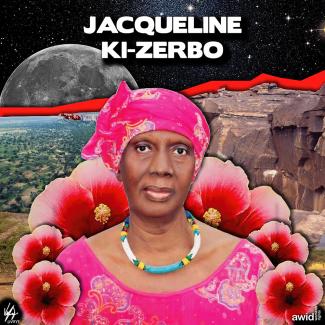
Jacqueline fue una feminista pionera malí-burkinesa, nacionalista y educadora.
Enseñó inglés en Senegal antes de ser convocada en 1961 como maestra de inglés en el Lycée Philippe Zinda Kaboré en Ouagadougou, Burkina Faso. Debido a su activismo, estuvo involucrada en el alzamiento popular del 3 de enero de 1966. Entre 1961 y 1966 fue responsable de la prensa del sindicato docente, Voces de lxs Maestrxs. Fue nombrada directora del Curso Normal para Niñas Jóvenes (ahora conocida como Escuela Secundaria Nelson Mandela), cargo que ocupó hasta 1974, dedicándose a la educación de las niñas y a la promoción de los derechos de las mujeres.
En 1984 recibió el Premio Paul G. Hoffmann por su destacado trabajo para el desarrollo nacional e internacional.
Informal interactive hearings with the business sector and civil society took place on 8 and 9 April 2015 respectively at UN headquarters in New York.
Да, опрос доступен людям с различными нарушениями слуха, зрения, движений и когнитивных способностей.

Trouvez et créez des connexions. L’AWID compte plus de 9 000 membres, qui s’efforcent tou·te·s de résoudre des questions complémentaires et interconnectées. Cette diversité favorise la pérennité des mouvements et acteures féministes.
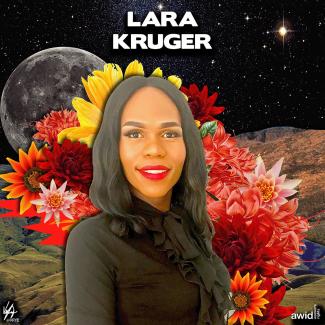
Lara était une DJ bien connue et appréciée de la Motsweding, une radio FM d’Afrique du Sud.
Lara a été l’un des premières animatrices ouvertement transgenre d’une radio grand public. Elle a œuvré sans relâche pour que lumière soit faite sur les questions LGBTI.
L’activisme de Lara a commencé très tôt, alors qu’elle revendiquait son droit de s’habiller et de se comporter afin de se sentir à l’aise auprès des membres de sa communauté qui ne comprenaient pas encore ce que signifiait être transgenre.
La financiación para el desarrollo encierra amenazas y oportunidades concretas para los derechos de las mujeres y los derechos humanos de todas las personas. Una financiación y políticas para el desarrollo que sean transformadoras pueden constituir un aporte importante para los cambios sistémicos que se necesitan a fin de garantizar el respeto, la protección y la realización de los derechos humanos de las mujeres.
El año 2015 es importante en el proceso de la FpD. La tercera Conferencia Internacional sobre la FpD tuvo lugar del 13 al 16 de julio de 2015 en Adís Abeba, Etiopía, y los gobiernos están finalizando la Agenda de Desarrollo Post-2015 que incluye acuerdos acerca de cómo se van a financiar los Objetivos de Desarrollo Sostenible.
En su actual etapa, el proceso de la FpD ofrece una oportunidad importante para fijar un marco de financiación que garantice un apoyo financiero efectivo para la implementación de la Agenda Post-2015 y de los Objetivos de Desarrollo Sostenible (ODS). También constituye una oportunidad para abordar las condiciones estructurales y los cambios sistémicos necesarios para la plena implementación de otras agendas y compromisos como los tratados internacionales de derechos humanos y la Plataforma de Acción de Beijing.
En estos últimos trece años, organizaciones por los derechos de las mujeres y feministas han participado activamente en el proceso de la FpD.
O tempo estimado para preencher o inquérito é 30 minutos.