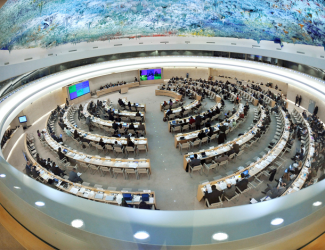
The Human Rights Council (HRC) is the key intergovernmental body within the United Nations system responsible for the promotion and protection of all human rights around the globe. It holds three regular sessions a year: in March, June and September. The Office of the UN High Commissioner for Human Rights (OHCHR) is the secretariat for the HRC.
The HRC works by:
Debating and passing resolutions on global human rights issues and human rights situations in particular countries
Examining complaints from victims of human rights violations or activist organizations on behalf of victims of human rights violations
Appointing independent experts (known as “Special Procedures”) to review human rights violations in specific countries and examine and further global human rights issues
Engaging in discussions with experts and governments on human rights issues
Assessing the human rights records of all UN Member States every four and a half years through the Universal Periodic Review
AWID works with feminist, progressive and human rights partners to share key knowledge, convene civil society dialogues and events, and influence negotiations and outcomes of the session.
With our partners, our work will:
◾️ Monitor, track and analyze anti-rights actors, discourses and strategies and their impact on resolutions
◾️Support the work of feminist UN experts in the face of backlash and pressure
◾️Advocate for state accountability
◾️ Work with feminist movements and civil society organizations to advance rights related to gender and sexuality.
Related Content
Body
Cadre & Thème
Le thème du 14ème Forum international de l’AWID s’intitule : « Réalités féministes : notre pouvoir en action »
Lors de ce 14e Forum, nous célébrerons et amplifierons les réalités féministes autour de nous, à tous les stades de déveoppement !
Nous voulons faire de ce Forum une réalité féministe : un lieu où vous pouvez habiter un monde différent, où vous pouvez rapporter vos victoires et les solutions que vous avez élaborées ; ce qui vous rend plus fortes, pleines d’espoir et prêtes à continuer. Ce rassemblement sera différent de tous ceux auxquels vous avez pu assister par le passé.
Nous vous encourageons fortement à vous joindre à nous pour co-créer ce monde. Cela en vaut la peine !
Chaque Forum a un thème qui reflète les besoins de nos membres et de nos mouvements, et répond à notre analyse du contexte actuel.
Le contexte mondial
Actuellement, les fascismes, les fondamentalismes, les autoritarismes et le pouvoir illimité des entreprises prennent de l’ampleur au niveau mondial. Nous voyons ces menaces converger avec l’État pour façonner les normes publiques, les récits et les politiques, ancrant une culture de la peur, de la haine et de l’incitation à la violence dans les discours publics. Les États, qui étaient autrefois une cible de plaidoyer et de réclamation de droits, n’éprouvent plus de sentiment de responsabilité dans la plupart des cas, et peuvent parfois même être dans l’incapacité de faire respecter les droits.
En cette période de volatilité, de complexité et d’incertitude, il nous faut de la créativité pour organiser nos mouvements, de la cohérence dans nos demandes et de l’audace pour nos propositions.
Des horizons féministes aux réalités féministes
Le Forum de l'AWID de 2016 s’était focalisé sur les horizons féministes et les conditions prérequises à leur établissement. Il était devenu clair, et reste évident aujourd’hui, que le défi majeur de nombreux mouvements de justice sociale est de réfléchir en dehors du système actuel sur des solutions structurelles. L’imaginaire peut ainsi devenir restreint en raison de longues expériences d’inégalités et d’oppression. Mais ce que nous avions aussi entendu, et que nous observons autour de nous, c’est que les mouvements féministes sont bel et bien en train de vivre et de promouvoir des réalités orientées sur les droits et la justice, ainsi que des solutions à petite et grande échelles.
En l’occurrence, nous voyons l’urgence de mobiliser à partir d’un lieu d’espoir, plutôt qu’à partir d’un plus petit dénominateur commun – un espoir qui se fonde sur la certitude qu’à travers le monde, même imparfaites, existent des expériences et des pratiques qui recouvrent des façons d’être plus justes, et qu’en partageant, renforçant et consolidant ces expériences, nous pouvons contribuer à augmenter leur influence.
Il ne s’agit pas de rêves impossibles, mais de réalités vécues. Ce sens des possibilités déclenche le réexamen et l’appréciation nouvelle des dimensions transformatives de notre travail.
Quelques exemples de réalités féministes à travers le monde
À l’AWID, nous concevons ces réalités féministes comme les exemples vivants des mondes que nous savons possibles. Nous concevons ces diverses réalités féministes comme des revendications et des incarnations d’espoir et de pouvoir. Elles sont ancrées dans les multiples manières de vivre, de penser et de faire autrement, que ce soit au niveau des expressions quotidiennes de nos modes de vie ou nos manières d'être en relations les un.e.s avec les autres ou au niveau de systèmes alternatifs de gouvernance et de justice. Les réalités féministes combattent les systèmes de pouvoir dominants tels que le patriarcat, le capitalisme et la suprématie blanche.
Il s’agit là de propositions puissantes qui nous orientent vers une vision établie de possibilités, et qui nous montrent comment les organisations féministes ouvrent la voie à la justice dans les mouvements et les communautés à travers le monde.
Dans une communauté noire extrêmement marginalisée de Jackson, dans l'État du Mississippi, se tient une expérimentation d’économie solidaire et coopérative via la Cooperation Jackson (Coopération de Jackson). Il s’agit d’un plan ambitieux qui vise à construire une propriété communautaire en dehors des modes de production capitalistes. (en anglais)
En Afrique de l’Ouest, les agricultrices résistent à l’accaparement des terres et refusent les projets d’industrialisation agricole. Elles affirment audacieusement « Nous sommes la solution » à travers une campagne de renforcement des solutions agro-écologiques qui se centre sur les agricultrices et leurs savoirs comme solutions pour nourrir les communautés et atténuer le changement climatique.
Les femmes au Mexique ont créé un projet d’économie non monétaire, par et pour les femmes, ainsi que pour toute personne qu’elles connaissent. A El Cambalache, la valeur est équivalente pour tout : les gens échangent des choses dont ils n’ont plus besoin contre d’autres choses désirées comme les savoirs, les compétences et l’entraide que les personnes veulent partager. El Cambalache a été créé sur des valeurs anti-systémiques et anticapitalistes des mouvements sociaux locaux (en anglais et en espagnol)
À Rojava, les Kurdes construisent une démocratie sans État et les femmes kurdes offrent la jinéologie comme cadre de remise en question du patriarcat, du capitalisme et de l’État, et créent des systèmes et des institutions permettant de mettre ce cadre en pratique
Au Royaume-Uni, Arnacho Agony Aunts (Tantes anarcho-agonie) est une émission de conseil sur le sexe et les rencontres, réalisée à partir d’une perspective féministe, antifasciste et anarchiste. Les animatrices Rowan et Marijam récupèrent un espace de l’ultra droite en donnant aux gens (principalement des hommes) un espace pour poser des questions délicates dans un cadre sans jugement (en anglais)
Le projet African Feminist Judgement (Jugement féministe africain) élabore et diffuse des jugements alternatifs pour des cas importants de jurisprudence en Afrique sur une variété de cas juridiques. Le cœur du projet consiste à s’appuyer sur une pratique judiciaire féministe et des jugements féministes alternatifs pour contribuer à la jurisprudence africaine, aux pratiques légales et aux décisions judiciaires (en anglais)
La coopérative Usha en Inde a été fondée à un moment où les banques conventionnelles refusaient de fournir des services aux travailleurs·ses du sexe à Sonagachi. Les travailleurs·ses du sexe se sont organisé·e·s pour prioriser leurs préoccupations économiques et mettre en place leur propre institution financière. La coopérative Usha est une banque coopérative qui réunit plus de 20 000 travailleurs·ses du sexe et a fourni plus de 4,7 millions d’USD de prêts à 7 231 travailleurs·ses du sexe sur une année. Les membres sont tou·te·s des travailleurs·ses du sexe et la banque procure une réelle possession et influence sur la gouvernance et la gestion de la coopérative, innovant en matière de moyens offerts aux individus et communautés marginalisés pour renforcer leur pouvoir économique, selon leurs propres conditions.
À Porto Rico, une fiducie foncière communautaire aide à transformer une installation informelle située à proximité d’un canal pollué et propice aux inondations, en une communauté durable. Cela fournit un nouveau modèle d’amélioration des installations informelles dans les villes, sans pour autant les rendre hors d’atteinte pour les résident·e·s d’origine.
Dans de nombreux pays d’Amérique latine, les activistes fournissent des conseils et de l’accompagnement entre pairs sur l’avortement médical, réclamant le droit des femmes à disposer de leur corps et des savoirs médicaux. (pour des raisons de sécurité, aucun lien n’est fourni)
Construise le pouvoir des réalités féministes en nommant, célébrant, amplifiant et contribuant à créer un élan autour des expériences et des propositions qui mettent en lumière ce qui est possible tout en nourrissant nos imaginaires collectifs.
Réapprovisionne les sources d’espoir et d’énergie en tant que carburants nécessaires à l’activisme pour les droits et la justice, et à la résilience.
Renforce la connectivité, la réciprocité et la solidarité entre une diversité de mouvements féministes ainsi qu’avec d’autres mouvements orientés vers les droits et la justice.
Le Forum est un processus collaboratif
Le Forum se veut bien plus qu’un événement de quatre jours. C’est un arrêt de plus dans un parcours de renforcement de mouvement autour des réalités féministes, lequel a déjà commencé et continuera bien au-delà des dates du Forum.
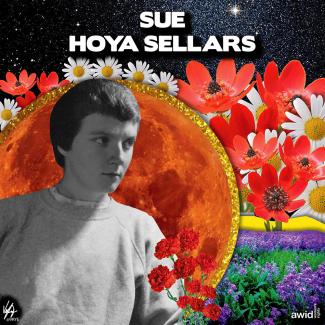
Sue was an artist, activist and teacher born in 1936 in Maryland, USA.
Sue created art for women, about women. As a lesbian feminist, and for a time, a separatist, she was committed to creating women-only spaces. In 1976 she purchased land that is still held by women who visit to make art. Sue took a fierce stand on the protection of women and girls.
With her groundbreaking futuristic, classical and anthropological approach, she filled any room she entered with intellect, authentic eccentricity, unforgiving wit, and humor. Her ideas about consciousness and creativity continue to inspire many people.
Глобальный и разнообразный: Размышления о ресурсных реалиях феминистских организаций в глобальном и региональном масштабе.
Контекстуализированный: Объединение голосов, точек зрения и опыта феминистских движений во всем их богатстве, смелости и разнообразии.
Совместно созданный: Разработка и апробация опроса в тесном сотрудничестве с членами AWID и партнерками(-рами) по движению.
Дополняющий: С помощью активисток(-тов), феминистских грантодательниц(-телей) и союзниц(-ков), дополняет и усиливает имеющуюся информацию о состоянии ресурсов организаций, занимающихся вопросами феминизма, прав женщин и гендерной справедливости.
Многоязычный: Доступен на арабском, английском, французском, португальском, русском и испанском языках.
Конфиденциальность и безопасность прежде всего: Мы обязуемся обеспечить конфиденциальность и неприкосновенность ваших данных. Ознакомьтесь с нашей политикой конфиденциальности, чтобы понять, какие меры мы принимаем, чтобы защитить полученные от вас сведения.
Доступный: Доступен для людей с различными нарушениями слуха, зрения, движений и когнитивных способностей. Прохождение опроса занимает около 30 минут.
Воспроизводимый: Может быть воспроизведен различными организациями в специфических контекстах; инструменты для проведения опроса будут доступны для широкой аудитории для проведения дополнительных исследований и адвокации.
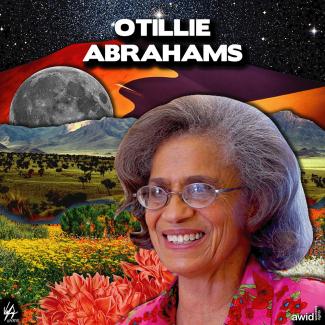
Ottilie fue una activista feminista, educadora y política de Namibia.
Fue una de las fundadoras de la Organización Popular del Sudoeste Africano (SWAPO), del Club Yu Chi Chan (un grupo armado revolucionario) y del Frente Nacional de Liberación del Sudoeste Africano (SWANLIF). También fue una de las fundadoras de la Asociación de Mujeres de Namibia y del Proyecto Niñas. A lo largo de su vida, Ottilie defendió el derecho a discutir, a pensar, a disputar y a exigir. Movilizó a las mujeres, organizó a estudiantes y docentes y criticó a otrxs camaradas por su elitismo y su corrupción.
Ottilie trabajó intensamente para desmantelar el patriarcado y para crear una democracia participativa concreta, feminista, transformadora y liberadora.
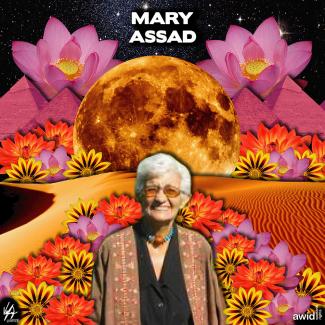
Experte en développement social et anthropologue de formation, Mary était surtout connue pour être une pionnière de la lutte contre les mutilations génitales féminines (MGF).
Née au Caire en 1922, les travaux de Mary en matière de développement ont commencé tôt, dès son adhésion à la YWCA (Association chrétienne des jeunes femmes). Mary était membre du Conseil œcuménique des Églises et s'est progressivement intéressée aux questions relatives à la santé des femmes. Sa longue lutte contre les MGF a porté ses fruits en 2008, lorsque l'Egypte a finalement criminalisé cette pratique.
On se souvient d'elle comme d'une mentor pour de nombreuses féministes et militant-e-s égyptien-ne-s
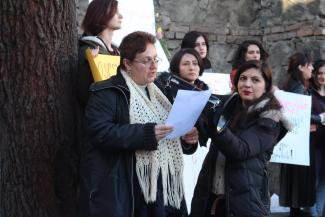
Snippet FEA Workers demonstrations in Georgia 3 (FR)
Que difícil condensar la potencia y diversidad de voces que se levantan en América Latina para contar las otras realidades que se gestan en este vasto territorio, las realidades feministas que construimos desde el movimiento y las organizaciones populares.
Por mucho tiempo traté de establecer parámetros para la búsqueda y selección de esas películas que les permitieran a ustedes asomarse un poco a tantos sueños y proyectos que se materializan de a poco en los territorios Nuestroamericanos, como nos gusta llamarnos. Fue un trabajo arduo que pasó por intentar establecer parámetros como presencia geográfica, justicia lingüística, representación de la diversidad de pueblos: indios, afrodescendientes, migrantes y la multiplicidad de banderas y luchas que se levantan desde todas esas voces. Llegué a la conclusión de que construir ese compilado era un trabajo de años, uno de esos proyectos de perpetua construcción.
Para esta muestra me incliné por buscar trabajos que nacieran de la organización y de la militancia así como realizaciones que son quizá las iniciadoras de grandes debates que aún nos quedan por dar.
En esta selección de películas encontrarán las voces de realizadoras que no solo se contentan con plasmar las realidades feministas que palpitan en cada rincón de este vasto y diverso territorio sino también trabajos que desde su gestación misma están cuestionando el para qué, quién y cómo se hace cine o audiovisual. Que entienden al cine como una herramienta de lucha, como algo más que imágenes que se disfrutan en una pantalla. Realizadoras o colectivos de realización que ven al cine y al audiovisual como instrumentos para potenciar una discusión o abrir un debate; en fin, como un recurso para la pedagogía popular y feminista.
Es así que esta pequeña muestra es un viaje por realidades feministas en dos niveles; por un lado el de las historias que verán y por otro el de las cineastas que están buscando, experimentando, creando otras realidades feministas en las formas de hacer audiovisual y de contar las historias.
Disfruten este viaje por películas que Resisten, Crean y Transforman.
Lima is Burning
Dirección: Giovana García Soto
Docu-ficción
Español con subtítulos Inglés
En Lima is Burning tenemos un trabajo que juega con la ficción y el documental para introducirnos en la vida de Gía, una persona de género no binario, que utiliza el arte del performance como herramienta de transgresión y denuncia, como un manifiesto vital contra la transfobia en todos los espacios. incluso en ámbitos gays. Con Gia también nos asomamos al transfeminismo una comunidad segura en la que Gia se siente acogida y con la que comparte sentires y querencias.
Giovana Garcia Sojo joven Productora visual/audiovisual peruana. Especializada en producción de bajo presupuesto, creación para infancias y adolescencias en la cinematografía y guión cinematográfico por la Escuela Internacional de Cine y Tv – EICTV en San Antonio de Baños – Cuba. Giovana ha desarrollado su desarrollo como cineasta en las mujeres y las identidades feminizadas, Lima is Burning es uno de sus primeros trabajos
Yo, Imposible
Dirección Patricia Ortega
Ficción
Títulos en Inglés
Patricia Ortega, directora de «Yo Imposible», explora a través de Ariel — una joven cuya intersexualidad fue violentada quirúrgicamente cuando niñe — las múltiples formas en que se intenta normalizar la diversidad sexual y de género.
La película nos narra cómo Ariel descubre que nació intersexual y que fue sometida a varias cirugías de normalización de sus genitales. Este descubrimiento enfrenta al personaje al redescubrimiento de su cuerpo y la reconstrucción de su identidad y a quienes miramos el film al cuestionamiento de una sociedad dominada por la heteronormatividad que invisibiliza a otres y les condena a la infelicidad.
Patricia Ortega, cineasta venezolana residenciada en Argentina, estudió en la Escuela Internacional de Cine y Televisión de Cuba, especializándose en dirección de cine. Patricia aborda desde la ficción situaciones límites por las que pasan las mujeres o los cuerpos feminizados y cómo se sobreponen a ellas.
«Yo Imposible» es una postura ante la concepción de un mundo concebido solo desde lo masculino y lo femenino que hace invisible a otres. «No están enfermos. Solo son genéticamente diferentes. Se les intervienen sus genitales y sus cuerpos a través de hormonas sin pedirles permiso, siendo una violación a los derechos humanos y a su identidad, buscando que encajen en los cánones establecidos». - Patricia Ortega
Cubanas, mujeres en revolución
Dirección: Maria Torrellas Liebana
Documental
Títulos en inglés
María Torrellas nos narra la revolución cubana a través de las mujeres que le dieron vida: Vilma Espín, Celia Sánchez y Haydee Santamaría, entre otras. Pero contar la revolución cubana para las mujeres no puede quedar solo en el pasado, es una lucha cotidiana que Torrellas muestra a través de las voces de campesinas, profesionales, estudiantes y obreras cubanas del presente. En «Cubanas, mujeres en revolución» encontramos los retos actuales de las cubanas frente a prejuicios que perduran, nuevas formas de violencia y el desafío constante por crear nuevas realidades feministas para ellas y quienes vienen después de ellas en un territorio asediado desde hace más de setenta años por el imperialismo norteamericano.
Maíia Torrellas
María Torrellas es comunicadora y documentalista. Cuenta con una larga trayectoria fílmica y ha obtenido, entre otros, el premio Santiago Álvarez in Memoriam por su documental «Memoria de una hija de Oshun».
«En el documental he querido hilvanar las luchas de las heroínas de ayer con las mujeres actuales. Son historias contadas por ellas mismas en las que también describen a aquellas luchadoras que más admiran. Me impresionó escuchar de ellas: ‘La Revolución nos ha dado todo’ o ‘¿Qué sería de mi familia sin la Revolución?’, en la voz de compañeras de origen humilde, campesino o negras». - María Torrellas
Serie documental Cuidanderas
Gabriela Arnal y Marzel Ávila para Fondo de Acción Urgente - LAC
Ecuador 2019
Títulos en Inglés
CUIDANDERAS, junta las palabras ‘cuidar’ y ‘curanderas’ es una síntesis de lo que son una serie de mujeres en Latinoamérica en sus territorios: mujeres que ponen el cuerpo y toda su energía para la protección de los Comunes, de lo que nos ofrece la Pachamama con el compromiso de que lo usemos tan sabiamente como el resto de los seres vivos. Esta mini serie de documentales nos presenta las historias de tres colectivos de mujeres latinoamericanas, comprometidas con cuidar sus territorios, curar sus cuerpos y enfrentar los modelos extractivistas y racistas en Ecuador, Colombia y Bolivia.
GUARDIANAS DE LA AMAZONÍA
Provincia de Orellana, Ecuador. Las mujeres Waorani sostienen hace siglos una lucha por su territorio amazónico y por la preservación de su cultura indígena. En la actualidad hacen frente a las amenazas de la industria petrolera y su modelo de producción de muerte. Desde la selva, líderes pertenecientes a la Asociación de Mujeres Waorani de la Amazonía Ecuatoriana (AMWAE), relatan la motivación detrás de su resistencia y muestran su más grande poder: su alegría inagotable.
COMADRES DEL PACÍFICO COLOMBIANO
Buenaventura, Colombia. En el puerto más grande y violento de Colombia, azotado por décadas de conflicto armado, racismo y machismo, un grupo de mujeres se niegan a sucumbir ante el miedo y resisten a pesar de las adversidades. La Red Mariposas de Alas Nuevas reúne a mujeres negras de la costa pacífica colombiana, que trabajan juntas para proteger su territorio, recuperar sus tradiciones ancestrales y sanar las heridas de esta violencia sistemática y estructural.
HERMANAS DEL ALTIPLANO
El cuidado y la protección del cuerpo-tierra-territorio es el llamado de indígenas, campesinas y regantes (encargadas del riego de agua) en Bolivia frente a un modelo extractivo que atenta contra sus vidas, su salud, su integridad física y sexual, la pervivencia de sus comunidades y territorios. La Red de Defensoras de la Madre Tierra ha reunido mujeres de 12 comunidades originarias para defender el derecho al agua y denunciar las violaciones de derechos humanos y derechos de la naturaleza por parte de las empresas extractivas, a la vez que recuperan sus saberes y prácticas ancestrales de cuidado colectivo.
«CUIDANDERAS, una palabra que junta “cuidadoras” y “curanderas”, presenta historias de mujeres defensoras latinoamericanas, dedicadas a cuidar sus territorios y curar sus cuerpos. La fuerza colectiva de estas mujeres, ha cambiado la historia de sus comunidades en Ecuador, Colombia y Bolivia, enfrentadas a modelos extractivistas y racistas.»
Yo aborto, tú abortas, todxs callamos
Dirección Carolina Reynoso
Argentina 2013
Español
Si algo ha marcado las luchas feministas en América latina es el grito de todo el continente por aborto libre, seguro y gratuito. De norte a sur los movimientos feministas se levantan y toman las calles luchando por la liberación de nuestro primer territorio: nuestros cuerpos. Es así que tener en esta muestra un documental sobre el aborto es indispensable para entender la potencia de las mujeres nuestramericanas.
«Yo aborto, Tu Abortas, Todxs Callamos» nos presenta las historias de siete mujeres, incluída la directora del documental, provenientes de distintas clases socioculturales que reflexionan sobre una problemática que todas vivieron en sus cuerpos: el aborto clandestino.
A través de sus testimonios se intenta derribar mitos en relación a la interrupción voluntaria del embarazo, desestigmatizar el tema y renovar la mirada sobre una de las violencias más cotidianas en las Américas.
Carolina Reynoso
Directora, investigadora y productora de cine feminista. A su vez, es militante feminista, realiza talleres de creación de guión con perspectiva de género para generar mas películas que muestren otras realidades e historias contrahegemónicas. Carolina Reynoso conjuga equilibradamente militancia y creación en cada una de sus obras.
«Somos un grupo de realizadorxs audiovisuales que realizamos un documental para seguir luchando por lograr que el aborto sea libre, seguro y gratuito en Argentina. El film trata sobre los testimonios de siete mujeres, incluida la directora del documental, provenientes de distintas clases socioculturales que reflexionan sobre una problemática que todas vivieron en sus cuerpos: el aborto clandestino.» El equipo de realización
Historias Urgentes: Resistencia en ollas Comunes
Nosotras Audiovisuales, colectiva de cineastas chilenas
Chile 2020
Enlace al micro documental:
Español
«Historias Urgentes» es una serie creada por mujeres para visibilizar necesidades y vivencias de importancia para la población de los territorios que conforman el Chile actual. Esta serie audiovisual nace para mantener viva la llama que encendió la revuelta social en octubre de 2019 del Chile diverso que despertó y dijo basta.
«Resistencia en ollas comunes» es la primera de estas “«Historias Urgentes» y nos muestra desde las voces de cuatro mujeres de Iquique, Valparaíso, Chillán y Santiago cómo desde los cuidados están en la primera línea de resistencia creando otras realidades feministas para ellas y las comunidades donde habitan las mujeres latinoamericanas.
Nosotras audiovisuales
Organización que surge en el 2017 y agrupa a mujeres vinculadas al audiovisual chileno desde la necesidad de conectar a las mujeres que trabajan en el mundo audiovisual. Es así que impulsa redes de trabajo, espacios de colaboración e información para mujeres del audiovisual, sus trabajos y puntos de vista sobre el campo laboral .
Nosotras Audiovisuales se suma a la revuelta en Chile desde el registro y la generación de materiales de creación colectiva.
Se trata de Mujeres
Micol Metzner
Argentina 2019
Castellano
A partir de su experiencia personal la directora Micol Metzner presenta un trabajo que mezcla el documental y la ficción, con su voz como realizadora comprometida con la de miles de mujeres que son víctimas de la trata en el continente y finalmente muestra cómo la solidaridad entre las mujeres es la mejor protección.
Micol Metzner
Realizadora audiovisual, formada en el Instituto de Arte Cinematográfico de Avellaneda. Directora de Arte y montajista. Forma parte del Cluster audiovisual de la Ciudad de Buenos Aires, espacio comunitario y cooperativo multisectorial para llevar a cabo proyectos independientes.
Es docente de talleres de cine en barrios y dentro de contextos de encierro (Institutos de menores y cárceles de mujeres). Forma parte de la productora audiovisual MVM.
«La productora MVM nació de esa importancia de poder expresar un montón de cosas que habitualmente manifestamos en las calles y también poder hacerlo de una manera creativa desde el dibujo, el audiovisual, la fotografía. La productora MVM es un lugar de investigación del lenguaje, lo gráfico, el audiovisual desde el feminismo. Es también un lugar para la catarsis de todo lo que vivimos y para generar a partir del arte cosas a veces para sanar, a veces para generar espacios para el debate como sucede con el corto. .. No me imaginé que iba a suceder eso, pero cuando se presenta el corto salen un montón de cosas, se generan charlas que son mucho más enriquecedoras que el corto en sí, entonces que eso pueda provocarse a partir de lo que realizamos está buenísimo...» - Micol Metzner
Síguenos en las redes sociales para recibir noticias sobre futuros eventos y proyecciones: