Human Rights Council (HRC)
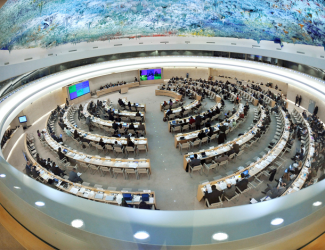
The Human Rights Council (HRC) is the key intergovernmental body within the United Nations system responsible for the promotion and protection of all human rights around the globe. It holds three regular sessions a year: in March, June and September. The Office of the UN High Commissioner for Human Rights (OHCHR) is the secretariat for the HRC.
The HRC works by:
-
Debating and passing resolutions on global human rights issues and human rights situations in particular countries
-
Examining complaints from victims of human rights violations or activist organizations on behalf of victims of human rights violations
-
Appointing independent experts (known as “Special Procedures”) to review human rights violations in specific countries and examine and further global human rights issues
-
Engaging in discussions with experts and governments on human rights issues
-
Assessing the human rights records of all UN Member States every four and a half years through the Universal Periodic Review
AWID works with feminist, progressive and human rights partners to share key knowledge, convene civil society dialogues and events, and influence negotiations and outcomes of the session.
With our partners, our work will:
◾️ Raise awareness of the findings of the 2017 and 2021 OURs Trends Reports.
◾️Support the work of feminist UN experts in the face of backlash and pressure
◾️Advocate for state accountability
◾️ Work with feminist movements and civil society organizations to advance rights related to gender and sexuality.
Related Content
2005: Second High-level Dialogue takes place
Second High-level Dialogue on Financing for Development
- The overall theme of the Second High-level Dialogue on Financing for Development, from 27-28 June 2005 was The Monterrey Consensus: status of implementation and tasks ahead.
- Apart from the traditional six roundtables on each of the individual chapters of the Monterrey Consensus, there was an informal interactive dialogue with the participation of a range of stakeholders including women’s rights groups.
- There was a call from ‘developing’ nations that global challenges and local needs and possibilities be taken into account when interacting with different groups including women, youth, people with disabilities etc. on the themes identified in the Monterrey consensus.
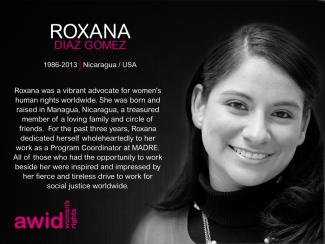
Roxana Diaz Gomez
Snippet Festival Days 8-13_Fest (FR)
CFA FAQ - Other questions - AR
اسئلة أخرى
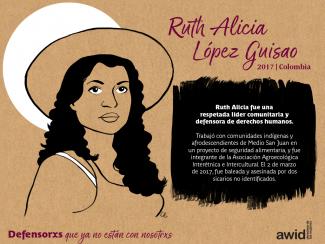
Ruth Alicia López Guisao
Contenido relacionado
Front Line Defenders: Asesinato de la defensora de derechos humanos Ruth Alicia López Guisao
2011: el quinto Diálogo de Alto Nivel inicia las conversaciones sobre la Agenda de Desarrollo Post-2015
El Quinto Diálogo de Alto Nivel sobre la Financiación para el Desarrollo, realizado el 7 y 8 de diciembre de 2011, marcó el comienzo de las conversaciones en torno a la Agenda de Desarrollo Post-2015 y sus relaciones con la financiación para el desarrollo. Esta conferencia puso especial énfasis en incrementar la ayuda para financiar los ODM. En sus observaciones finales, el Presidente en Funciones de la Asamblea General pidió a los Estados Miembros que comenzaran a pensar en el marco para el desarrollo post-2015.
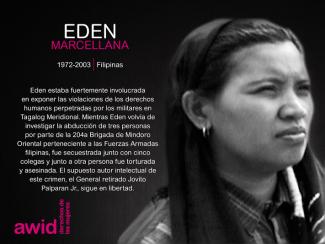
Eden Marcellana
Snippet title Festival Articles (EN)
Festival Articles
Snippet - CSW68 - March 11 - EN
Día 1
11 de marzo
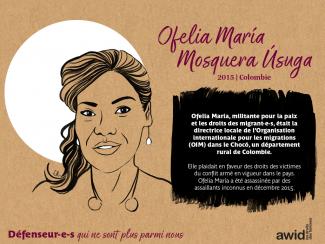
Ofelia Maria Mosquera Usuga
.
Avril 2015: des audiences interactives avec le secteur privé et la société civile ont lieu
- Des audiences interactives informelles avec le secteur privé et avec la société civile se sont respectivement tenues les 8 et 9 avril 2015, au siège de l’ONU à New York.
- Les organisations de défense des droits des femmes et d’autres OSC ont souligné la faiblesse de la participation des États membres aux audiences des OSC. Le Groupe de coordination des OSC d’Addis Abeba a donc adressé à ce sujet une lettre aux co-facilitateurs (en anglais).
- La seconde session de rédaction du document final d’Addis Abeba s’est tenue du 13 au 17 avril 2015, au siège de l’ONU. Les discussions se sont appuyées sur la version zéro (en anglais).
- Le WWG sur le FdD a présenté aux États membres ses recommandations sur les différents thèmes du FdD (document en anglais) lors de différentes sessions officielles et manifestations parallèles. Les femmes ont exprimé leurs inquiétudes dans différents domaines clés. Elles ont notamment déploré le fait que la version zéro ne souligne qu’insuffisamment les conséquences négatives graves des crises financières, provoquées par l’instabilité des systèmes financiers internationaux, sur le développement, l’égalité et les droits humains, et en particulier sur les droits humains des femmes.
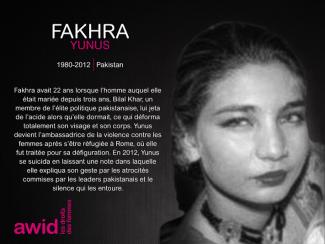
Fakhra Yunus
Snippet “Gender Ideology” Narratives (EN)
“Gender Ideology” Narratives
For decades, feminist scholars and advocates have articulated important concepts related to gender to understand and challenge oppression and discrimination. Those concepts have now become the target of anti-rights actors who claim that oppressive patriarchal gender roles are “common sense”, strategically painting all other ideas, cultural norms, and forms of social life as a dangerous, conspirative ideology.
Read our Brief on “Gender Ideology” Narratives: A Threat To Human Rights
Snippet - CSW68 - Feminist Community Evening - ES
🎤 Noche de la comunidad feminista:
una reunión para les activistas feministas que asisten a la CSW68
(¡con invitades especiales!)
📅Martes 12 de marzo
🕒6:00 p. m. - 9:30 p. m. EST
🏢 Blue Gallery, 222 E 46th St, New York
Entrada solo con confirmación previa
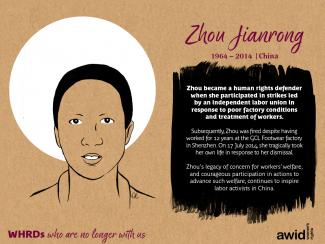
Zhou Jianrong
How to get involved?
- Visit the official FfD3 conference website for details and updates
- Join the Women’s Working Group on Financing for Development and learn more about their contributions to the FfD process (or send an email to: wwgonffd@gmail.com)
- Join the CSO FfD group (or email addiscoordinatinggroup@gmail.com or submitting a request to join: https://groups.google.com/forum/#!forum/global-social-economy)
Other useful links to stay informed:
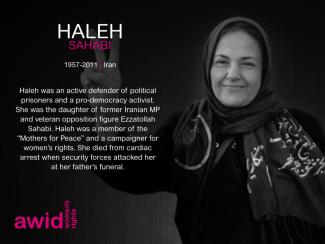
Haleh Sahabi
Snippet FEA Title Menu (ES)
Las Economías Feministas
QUE AMAMOS
ECONOMIAS DE CUIDADOSAGROECOLOGÍA Y SOBERANÍA ALIMENTARIACOOPERATIVISMO FEMINISTASINDICALISMO FEMINISTA
Snippet - WITM Who should - FR
Qui devrait participer à cette enquête?*
L’enquête s’adresse aux groupes, organisations et mouvements qui travaillent spécifiquement, ou principalement, à la défense des droits des femmes, des personnes LBTQI+ et pour la justice de genre dans tous les contextes, à tous les niveaux, dans toutes les régions. Si c’est un des principaux piliers du travail de votre groupe, collectif, réseau ou tout autre type d’organisation, que votre structure soit déclarée ou non, récemment constituée ou plus ancienne, nous vous invitons à participer à cette enquête.

*Nous ne collectons pas les réponses à titre individuel ou de fonds féministes et pour les femmes à l’heure actuelle.
En savoir plus sur l'enquête :
Consultez la foire aux questions