Related content
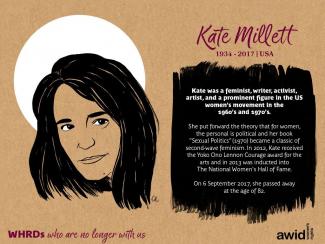
The Guardian: Kate Millett Obituary
New York Times: Kate Millett, Ground-Breaking Feminist Writer, Is Dead at 82
The New Yorker: A Last Interview with Kate Millett

WHRDs are self-identified women and lesbian, bisexual, transgender, queer and intersex (LBTQI) people and others who defend rights and are subject to gender-specific risks and threats due to their human rights work and/or as a direct consequence of their gender identity or sexual orientation.
WHRDs are subject to systematic violence and discrimination due to their identities and unyielding struggles for rights, equality and justice.
The WHRD Program collaborates with international and regional partners as well as the AWID membership to raise awareness about these risks and threats, advocate for feminist and holistic measures of protection and safety, and actively promote a culture of self-care and collective well being in our movements.
WHRDs are exposed to the same types of risks that all other defenders who defend human rights, communities, and the environment face. However, they are also exposed to gender-based violence and gender-specific risks because they challenge existing gender norms within their communities and societies.
We work collaboratively with international and regional networks and our membership
We aim to contribute to a safer world for WHRDs, their families and communities. We believe that action for rights and justice should not put WHRDs at risk; it should be appreciated and celebrated.
Promoting collaboration and coordination among human rights and women’s rights organizations at the international level to strengthen responses concerning safety and wellbeing of WHRDs.
Supporting regional networks of WHRDs and their organizations, such as the Mesoamerican Initiative for WHRDs and the WHRD Middle East and North Africa Coalition, in promoting and strengthening collective action for protection - emphasizing the establishment of solidarity and protection networks, the promotion of self-care, and advocacy and mobilization for the safety of WHRDs;
Increasing the visibility and recognition of WHRDs and their struggles, as well as the risks that they encounter by documenting the attacks that they face, and researching, producing, and disseminating information on their struggles, strategies, and challenges:
Mobilizing urgent responses of international solidarity for WHRDs at risk through our international and regional networks, and our active membership.
Related content
The Guardian: Kate Millett Obituary
New York Times: Kate Millett, Ground-Breaking Feminist Writer, Is Dead at 82
The New Yorker: A Last Interview with Kate Millett
La activista y académica Soma Kishore Parthasarathy señala que existen diversas formas de pensar los bienes comunes.
En un sentido más convencional, se los entiende como recursos naturales destinados a ser usados por quienes dependen de su uso. Sin embargo, el concepto de «bienes comunes» se ha expandido para incluir recursos como los conocimientos, la herencia, la cultura, espacios virtuales e incluso el clima. Es un concepto anterior al régimen de propiedad individual y que aportó las bases para la organización social. Las definiciones que aportan las entidades gubernamentales limitan su alcance a los recursos de la tierra y materiales.
El concepto de los bienes comunes se apoya en la práctica cultural de compartir espacios de subsistencia y recursos como dones de la naturaleza, para el bien común, y para la sostenibilidad de lo que es común a todxs.
Los bienes comunes de la humanidad están cada vez más amenazados porque las naciones y fuerzas del mercado continúan colonizándolos, explotándolos y ocupándolos.
En algunos contextos favorables, los «bienes comunes» tienen el potencial de habilitar una posición de autonomía sobre todo para las mujeres bajo opresión económica desde la que pueden negociar sus múltiples necesidades y aspiraciones.
Cuando a las mujeres y a otros géneros oprimidos se les niega el acceso a los bienes comunes y la posibilidad de controlarlos, se refuerza el patriarcado.
Por eso, una economía feminista busca restaurar los derechos legítimos de las comunidades a estos recursos comunes. Esa autonomía les permite mantenerse a sí mismas al mismo tiempo que desarrollan sistemas más igualitarios de gobernabilidad y de uso de esos recursos. Una economía feminista reconoce los roles de las mujeres y les ofrece las mismas oportunidades para tomar decisiones, es decir, las coloca en igualdad de condiciones como demandantes de esos recursos.
"My dreams and objectives have always been the same as those of Lohana Berkins: for the cooperative to continue standing and not to close. To continue to give this place to our travesti comrades, to give them work and a place of support"
Brisa Escobar,
president of the Cooperative
¡Sí, por favor! Te alentamos a compartir el enlace a la encuesta con tus redes. Cuanto más diversas sean las opiniones que recolectemos, más completa será nuestra comprensión del panorama financiero para las organizaciones feministas.
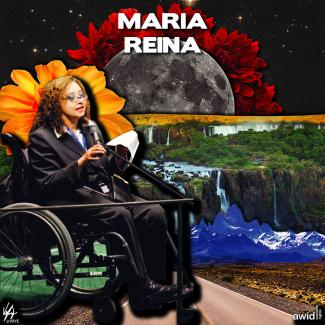
Representó al Consorcio Internacional sobre Discapacidad y Desarrollo (IDDC por su sigla en inglés) durante la negociación de la Convención sobre los Derechos de las Personas con Discapacidad (2001-2006). Su trabajo estaba dedicado a la implementación del objetivo de la Convención: el goce pleno de los derechos humanos universales por, para y con las personas con discapacidades, en pos de un mundo inclusivo, accesible y sostenible.
En sus propias palabras, su liderazgo consistía en «servir a la comunidad de personas con discapacidad, comenzando por aquellas pequeñas tareas que otrxs pueden no querer realizar».
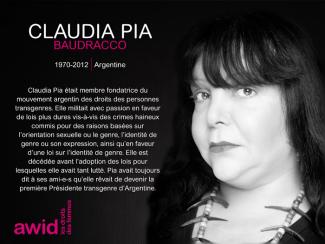
Falleció el 27 de octubre de 2017 en su ciudad natal de Rosario, Argentina.
En esta nota puede leerse más sobre María Verónica Reina, en sus propias palabras.
A pesar de su rigidez en cuestiones doctrinales y de cosmovisión, lxs actores anti-derechos han demostrado una apertura a nuevos tipos de alianzas estratégicas, nuevas técnicas de organización y nuevas formas de discurso. Todo esto les ha permitir detentar mayor poder en los espacios internacionales.
Se ha observado una notable evolución en las estrategias de lxs actores ultra conservadores que operan a este nivel. No solo intentan manipular los límites de los consensos y bloquear cierto lenguaje, sino también transformar el marco conceptual, desarrollar normas y estándares alternativos y encontrar otras vías de influencia.
Lxs actores ultra conservadores trabajan para establecer y mantener vínculos con representantes de los Estados ofreciéndoles oportunidades regulares de capacitación — como el Foro Mundial de Políticas sobre la Familia que es anual — y materiales de capacitación específicos.
Estas capacitaciones y la provisión de recursos en forma periódica les aportan discursos y técnicas de negociación a lxs representantes para que continúen colaborando en pro de los objetivos anti-derechos en el sistema de derechos humanos. Lxs representantes también reciben compilaciones organizadas de «lenguaje consensuado» y referencias a información pseudo-científica o estadística para reforzar sus argumentos.
La transmisión consolidada de estos mensajes explica en parte por qué lxs representantes de los Estados que adoptan posiciones ultra conservadoras en los debates internacionales sobre derechos humanos a menudo lo hacen contradiciendo su propia legislación y políticas nacionales.
La red de reuniones virtuales regionales e internacionales de lxs actores anti-derechos contribuye a crear vínculos más estrechos entre las OSC ultra conservadoras, los Estados y bloques de Estados, y poderosos órganos intergubernamentales. El Congreso Mundial de las Familias que se realiza todos los años es uno de los principales ejemplos de esta estrategia.
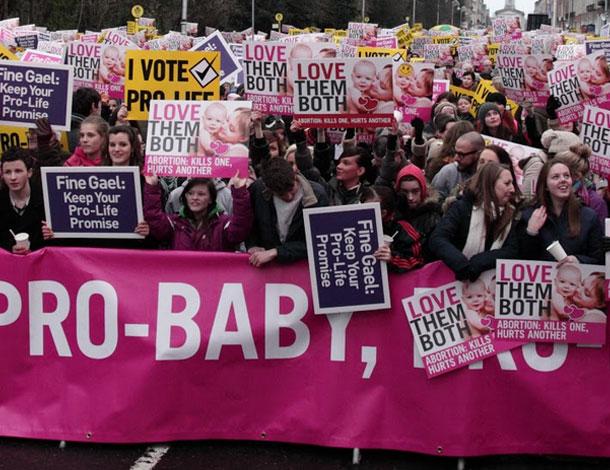
Estas reuniones refuerzan los vínculos personales y las alianzas estratégicas, elementos centrales para construir y sostener cualquier movimiento. También facilitan la creación dinámica de relaciones que van más allá de los países o las religiones y se articulan en torno a temáticas e intereses compartidos, lo que conduce a un enfoque más proactivo para formular demandas integrales en la esfera política internacional por parte de lxs actores anti-derechos.
Históricamente, los Estados y los bloques estatales han tratado de socavar el consenso internacional o la rendición de cuentas por parte de cada país frente a las normas internacionales de derechos humanos interponiendo reservas a los acuerdos que ponen en peligro la aplicabilidad universal de los derechos humanos.
La Convención sobre la Eliminación de la Discriminación contra las Mujeres (CEDAW) es la que ha sido objeto del número más alto de reservas, muchas de las cuales se fundamentan en presuntos conflictos con la ley religiosa. Sin embargo, la CEDAW está fuera de discusión como parte del derecho internacional de los derechos humanos, y las referencias a la tradición, cultura o religión no pueden justificar violaciones de los derechos humanos. Muchas reservas a la CEDAW son inválidas porque son «incompatibles con el objeto y el propósito» de este tratado. Sin embargo, los Estados invocan continuamente estas reservas para eludir sus responsabilidades en materia de derechos humanos.
También se están introduciendo cada vez más «reservas» a documentos y acuerdos de Naciones Unidas que no son tratados formales, como las resoluciones del Consejo de Derechos Humanos y de la Asamblea General.
Resulta alarmante observar cómo actores regresivxs que operan en la ONU han comenzado a cooptar estándares de derechos existentes y a hacer campaña para desarrollar un lenguaje consensuado que sea profundamente anti-derechos.
Su objetivo es crear y luego propagar en los escenarios internacionales de derechos humanos un lenguaje que valide normas patriarcales, jerárquicas, discriminatorias y culturalmente relativistas.
Un paso hacia el logro de este propósito es la redacción de textos declarativos, como la Declaración Mundial de la Familia y los Artículos de San José, que se presentan como fuentes no vinculantes en materia de derechos humanos, recogen adhesiones por parte de múltiples actores de la sociedad civil, estatales e institucionales; y luego sirven como base para la promoción y el cabildeo.
Como parte de un cambio estratégico hacia el uso de discursos no religiosos, lxs actores anti-derechos han invertido significativamente en crear sus propios grupos de expertxs en «ciencias sociales». Ayudados por los medios conservadores que son cada vez más numerosos, estos materiales se difunden ampliamente entre grupos conservadores de la sociedad civil y también se utilizan como base para la incidencia en espacios internacionales de derechos humanos.
Mientras que los objetivos y la motivación de lxs actores conservadorxs se derivan de sus interpretaciones extremas de la religión, la cultura y la tradición, a menudo refuerzan sus argumentos con estudios que reivindican para sí una cierta autoridad intelectual. Así se produce un contra-discurso, a través de una mezcla engañosa de doctrina tradicionalista y ciencias sociales.
Esta es una de las estrategias más efectivas empleadas por la derecha religiosa y representa una inversión importante en el futuro de los movimientos anti-derechos.
El reclutamiento de jóvenes y el desarrollo de sus liderazgos, comenzando en el nivel local con iglesias y campus universitarios, son una prioridad para muchos actores conservadores dedicados a influir sobre políticas internacionales.
Esta estrategia les ha permitido infiltrarse en espacios específicos de las Naciones Unidas para jóvenes, incluidos los de la Comisión de la Condición Jurídica y Social de las Mujeres, y crear un fuerte contrapunto a las redes y organizaciones progresistas de la juventud.

Los grupos regresivos han comprendido que dentro del sistema de Naciones Unidas su influencia es mucho menor cuando se trata de mecanismos de expertxs (Procedimientos Especiales y órganos de monitoreo de tratados) o de organismos operativos (agencias) y no de mecanismos políticos.
Por eso , los grupos anti-derechos afirman que las agencias de Naciones Unidas están «sobrepasando su mandato»; el Comité CEDAW y otros organismos de tratados no tienen autoridad para interpretar esos instrumentos; y los Procedimientos Especiales son en realidad expertxs que han tomado partido y que se extralimitan en su mandato. Los grupos anti-derechos también han tenido éxito en su cabildeo para recortar la financiación a organismos como el Fondo de Población de las Naciones Unidas (UNFPA).
Esta invalidación de los mecanismos de las Naciones Unidas alimenta la impunidad estatal. Cuando los gobiernos están bajo escrutinio internacional, pueden defender sus acciones acusando al mecanismo que los examina de tener defectos estructurales o de estar sobrepasando su mandato.
Lxs actores no estatales conservadores invierten cada vez más en las redes sociales y otras plataformas en línea para promover sus actividades, hacer campaña y difundir ampliamente información de los espacios internacionales de derechos humanos.
La organización española CitizenGo, por ejemplo, se presenta como la versión conservadora de Change.org, organizando peticiones y campañas de cartas. Una petición reciente, que se opone a que la ONU instituya un Día Internacional sobre el Aborto Seguro, reunió más de 172 000 firmas.
Si conocemos las estrategias empleadas por lxs actores anti-derechos, podemos contrarrestarlas de manera más efectiva.
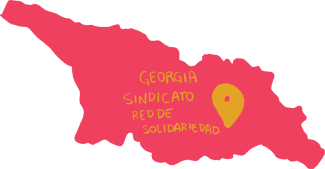

Чтобы поделиться опытом финансирования в вашей организации
Asma était une militante pakistanaise des droits humains, une critique courageuse de l'ingérence de l'armée dans la politique et une défenseure acharnée de la primauté du droit.
Elle a été la présidente fondatrice de la Commission des droits de l'homme du Pakistan, un groupe indépendant ainsi qu’administratrice de l'International Crisis Group. Elle a remporté des prix internationaux et a été rapporteuse des Nations Unies sur les droits de l'homme et les exécutions extrajudiciaires.
Ses collègues et ami-e-s de l’AWID se souviennent d'elle avec affection
« Grâce à sa vie, Asma a réécrit l'histoire que beaucoup d'entre nous ont racontée en tant que femmes. Asma a changé le monde. Elle l'a changé au Pakistan et elle l'a changé dans notre imaginaire. »

La domination croissante des marchés financiers internationaux et des institutions dans la définition des politiques économiques mondiales a pour effet de confisquer le pouvoir des personnes dans l’intérêt des élites mondiales et des grandes entreprises.
Notre rapport sur les flux financiers illégaux explore leur impacts disproportionnés sur la justice de genre. Il expose les cadres politique et juridique qui permettent aux entreprises de jouir d'abus fiscaux au détriment des personnes et de la planète.
Le rapport conclut avec ces sept recommandations politiques féministes pour demander plus de transparence et de responsabilité des entreprises afin de stopper les flux financiers illégaux.
Les flux financiers illicites attirent une attention sans précédent, par exemple dans le cadre de négociations sur le développement autour du Programme de développement à l’horizon 2030 ou lors de la Conférence sur le financement du développement d’Addis-Abeba en 2015. Ils font également les gros titres dans les médias traditionnels avec la diffusion de documents concernant des opérations financières offshore ayant fait l’objet de fuites, une affaire connue sous le nom des « Panama Papers ».
Pour donner un autre exemple, lors d’un référendum en février 2017, le peuple équatorien a voté pour empêcher les politiciens et les fonctionnaires de posséder des actifs, des entreprises ou des capitaux dans des paradis fiscaux. Le gouvernement équatorien est maintenant une voix de premier plan au sein du G77, aux Nations Unies, en faveur de la création d’un organisme fiscal mondial de l’ONU pour mettre un terme aux paradis fiscaux.
Ce coup de projecteur constitue potentiellement une opportunité pour les féministes, les mouvements sociaux et les défenseur-euse-s de la justice fiscale de faire pression en faveur de la transformation du système financier mondial qui renforce les inégalités au niveau mondial, y compris les inégalités de genre.
Nous proposons ci-dessous sept revendications politiques pour contribuer aux actions de plaidoyer des féministes et des activistes oeuvrant en faveur de la justice sociale, des droits des femmes et de l’égalité de genre :
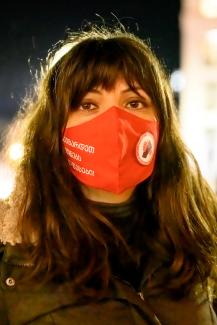


O inquérito está disponível em árabe, inglês, francês, português, russo e espanhol!
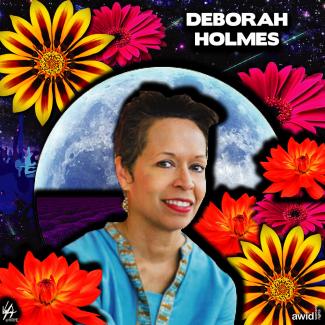
At the time of her death, following a short but aggressive battle with cancer, Deborah was the Chief Communication and Engagement Officer at the Women’s Funding Network (WFN).
Deborah also worked for the Global Fund for Women from 2008 to 2017. Deborah was extremely loved and respected by board, staff, and partners of Global Fund for Women.
Kavita Ramdas, former CEO of the Global Fund for Women aptly noted that Deborah was “a small package exploding with warmth, generosity, intelligence, style, and a passionate commitment to fusing beauty with justice. She understood the power of story. The power of women’s voice. The power of lived experience. The power of rising from the ashes and telling others it was possible. And, still we rise.”
Musimbi Kanyoro, the present CEO of the Global Fund for Women, added, “We have lost a sister and her life illuminates values that unite and inspire us all. As we all come together to mourn Deborah’s passing, let us remember and celebrate her remarkable, bold, and passionate life.”
Ressources en soutien aux mouvements féministes, aux décideur·euse·s et aux allié·e·s pour résister aux tendances antidroits.