Organizing creatively, facing an increasing threat
Young feminist activists play a critical role in women’s rights organizations and movements worldwide by bringing up new issues that feminists face today. Their strength, creativity and adaptability are vital to the sustainability of feminist organizing.
At the same time, they face specific impediments to their activism such as limited access to funding and support, lack of capacity-building opportunities, and a significant increase of attacks on young women human rights defenders. This creates a lack of visibility that makes more difficult their inclusion and effective participation within women’s rights movements.
A multigenerational approach
AWID’s young feminist activism program was created to make sure the voices of young women are heard and reflected in feminist discourse. We want to ensure that young feminists have better access to funding, capacity-building opportunities and international processes. In addition to supporting young feminists directly, we are also working with women’s rights activists of all ages on practical models and strategies for effective multigenerational organizing.
Our Actions
We want young feminist activists to play a role in decision-making affecting their rights by:
Fostering community and sharing information through the Young Feminist Wire. Recognizing the importance of online media for the work of young feminists, our team launched the Young Feminist Wire in May 2010 to share information, build capacity through online webinars and e-discussions, and encourage community building.
Researching and building knowledge on young feminist activism, to increase the visibility and impact of young feminist activism within and across women’s rights movements and other key actors such as donors.
Promoting more effective multigenerational organizing, exploring better ways to work together.
Supporting young feminists to engage in global development processes such as those within the United Nations
Collaboration across all of AWID’s priority areas, including the Forum, to ensure young feminists’ key contributions, perspectives, needs and activism are reflected in debates, policies and programs affecting them.
لجعل الواقع المركّب لتمويل الأشكال المختلفة من التنظيم النسوي، مرئي
Les membres de l’AWID s’engagent à la CSW61
Les Etats membres et les défenseur-e-s et organisations des droits des femmes se réuniront au siège des Nations Unies à New York du 13 au 24 mars pour la 61ème édtion de la Commission de la condition de la femme, afin d’aborder le thème de l’« autonomisation économique des femmes » dans le cadre de l'objectif 5 pour le développement durable.
Alors que nous avons hâte de retrouver quelques un-e-s d'entre vous à New-York, nous souhaitons aussi impliquer celles et ceux qui ne peuvent pas être présent-e-s à la CSW et être votre porte-voix dans les espaces pertinents.
Poursuivez votre lecture pour savoir comment participer à la CSW aux côtés de l’AWID, que vous soyez sur place ou non.
Participez à une prise de contrôle artistique !
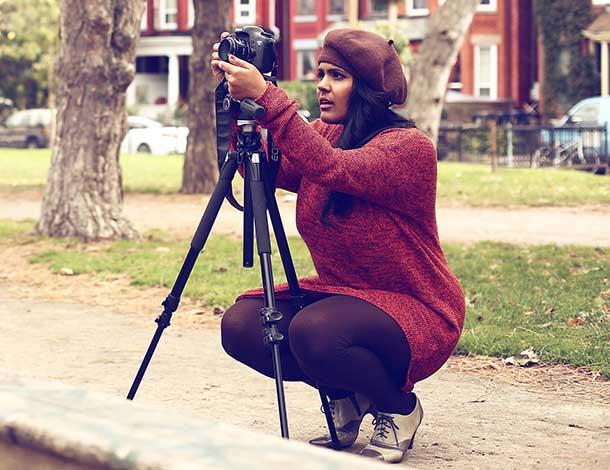
C'es un plaisir pour nous que Nayani Thiyagarajah, membre de l’AWID, assistera à la CSW cette année et qu’elle sera en charge du compte Instagram de l’AWID.
Là-bas, elle sera disponible pour rencontrer d’autres membres qui pourront éventuellement figurer sur notre Instagram. Elle explorera par ailleurs les possibilités d’inclure certain-e-s membres de l’AWID dans un court-métrage sur le thème ‘le privé est politique’, qui retracera l’histoire de la participation de Nayani à la CSW de cette année.
Nayani Thiyagarajah
Qui est Nayani?
Nayani Thiyagarajah est une directrice, productrice et écrivaine qui se consacre à porter des histoires à l’écran. Fille de la diaspora tamoule, elle appelle désormais Toronto sa ville. Pendant plus de 10 ans, Nayani a travaillé dans l’industrie des arts et de la culture. Son premier long-métrage documentaire indépendant, Shadeism: Digging Deeper (2015), fut présenté en première au Festival international du film de Zanzibar, où il obtint le Prix spécial du jury. Avec son partenaire de production Camaro West, Nayani a récemment lancé [RE]FRAME, une compagnie de production basée à Atlanta et à Toronto qui s’attache à reformuler les récits concernant les noir-e-s, les autochtones et d’autres personnes de couleur à travers des narrations portées à l’écran.
Plus sérieusement, il convient de mentionner que Nayani a un rire étrange, qu’elle est assez maladroite et qu’elle a toujours la tête dans les nuages. Pour elle, c’est une chance incroyable d’inventer des histoires pour l’écran et de s’amuser à faire croire, et de pouvoir en vivre. Elle croit en l’amour par-dessus tout.
Vous avez envie de rencontrer Nayani et d’être pris-e en compte pour figurer dans son film ?
Envoyez un e-mail à membership@awid.org en précisant dans la ligne d’objet « CSW: Prise de contrôle artistique »
Avant le 13 mars 2017
Merci d’inclure votre nom complet et votre lieu de résidence.
Vous ne pouvez pas assister à la CSW ? Exprimez-le !
Si vous êtes dans l’incapacité d’assister à la CSW61 en raison d’une interdiction de voyager, qu’elle ait été imposée par l’administration Trump ou par votre propre gouvernement, n’hésitez pas à nous faire part de votre histoire.
Envoyez-nous les messages que vous voulez voir diffusés dans les espaces des Nations Unies autour du financement, de l’impact du rétablissement de la règle du bâillon mondiale (Global Gag Rule) et de la nécessité de rejeter les fondamentalismes religieux. Vous pouvez adresser vos messages sous les formats suivants :
vidéo : elle ne devra pas durer plus de deux minutes et devra être envoyée via un partage de fichier en ligne (par exemple dropbox, google drive)
audio : il ne durera pas plus de deux minutes et sera envoyé via un partage de fichier en ligne (par exemple dropbox, google drive)
image : vous pouvez partager une photo ou une affiche de votre message
texte : il ne pourra pas faire plus de 200 mots et devra être intégré dans le corps d’un e-mail ou dans un document word
Envoyez-nous votre message !
Envoyez un e-mail à membership@awid.org, en précisant en ligne d’objet « CSW: Exprimez-le ! »
Avant le 15 mars 2017
Rencontrez d’autres membres à la CSW61
Les membres de l’AWID nous disent combien les rencontres qui se font entre membres à la CSW sont précieuses. Dans un lieu de plaidoyer tellement immense, il est utile de rencontrer et d’échanger avec les autres, y compris avec des activistes travaillant sur des questions semblables, ou venant du même pays ou de la même région. Nous reconnaissons que les rencontres sont fondamentales dans la construction des mouvements.
Vous souhaitez être mis-e-s en contact avec d’autres membres à la CSW61 ?
Envoyez un e-mail à membership@awid.org, en précisant en ligne d’objet « CSW: Membres de l’AWID »
NOTE : Veuillez nous transmettre vos coordonnées complètes (nom, pays) et nous indiquer si vous nous autorisez à communiquer votre adresse mail aux autres membres qui souhaiteraient entrer en contact à la CSW.
Prenez une photo !
Si vous participez à la CSW, partagez-nous ce que vous y voyez ! Montrez-le nous en capturant un instant qui reflète l'energie de l'espace de la CSW, que ce soit lors d'une conférence ou en dehors. Nous avons l'intention de publier vos images usr nos réseaux sociaux et de les partager sur notre site.
Vous pouvez nous envoyer :
des photographies en couleur ou en noir & blanc
avec leur titre (si vous souhaitez)
et une légende (pas plus de 100 mots) qui raconter l'histoire de votre photo.
Veuillez aussi inclure :
votre nom complet et votre pays d'origine
faites-nous aussi savoir si vous nous autorisez à partager tout ou partie de ces informations
Partagez vos images !
Envoyez un e-mail à membership@awid.org en précisant en ligne d’objet « CSW: Prenez une photo ! »
Pendant toute la CSW ou rapidement après, jusqu'au jeudi 28 mars 2017.
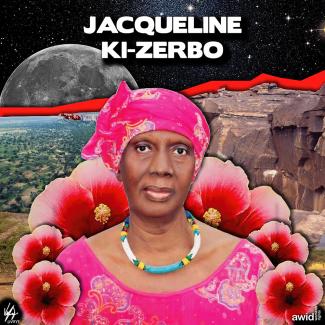
Jacqueline fue una feminista pionera malí-burkinesa, nacionalista y educadora.
Enseñó inglés en Senegal antes de ser convocada en 1961 como maestra de inglés en el Lycée Philippe Zinda Kaboré en Ouagadougou, Burkina Faso. Debido a su activismo, estuvo involucrada en el alzamiento popular del 3 de enero de 1966. Entre 1961 y 1966 fue responsable de la prensa del sindicato docente, Voces de lxs Maestrxs. Fue nombrada directora del Curso Normal para Niñas Jóvenes (ahora conocida como Escuela Secundaria Nelson Mandela), cargo que ocupó hasta 1974, dedicándose a la educación de las niñas y a la promoción de los derechos de las mujeres.
En 1984 recibió el Premio Paul G. Hoffmann por su destacado trabajo para el desarrollo nacional e internacional.
Глобальный и разнообразный: Размышления о ресурсных реалиях феминистских организаций в глобальном и региональном масштабе.
Контекстуализированный: Объединение голосов, точек зрения и опыта феминистских движений во всем их богатстве, смелости и разнообразии.
Совместно созданный: Разработка и апробация опроса в тесном сотрудничестве с членами AWID и партнерками(-рами) по движению.
Дополняющий: С помощью активисток(-тов), феминистских грантодательниц(-телей) и союзниц(-ков), дополняет и усиливает имеющуюся информацию о состоянии ресурсов организаций, занимающихся вопросами феминизма, прав женщин и гендерной справедливости.
Многоязычный: Доступен на арабском, английском, французском, португальском, русском и испанском языках.
Конфиденциальность и безопасность прежде всего: Мы обязуемся обеспечить конфиденциальность и неприкосновенность ваших данных. Ознакомьтесь с нашей политикой конфиденциальности, чтобы понять, какие меры мы принимаем, чтобы защитить полученные от вас сведения.
Доступный: Доступен для людей с различными нарушениями слуха, зрения, движений и когнитивных способностей. Прохождение опроса занимает около 30 минут.
Воспроизводимый: Может быть воспроизведен различными организациями в специфических контекстах; инструменты для проведения опроса будут доступны для широкой аудитории для проведения дополнительных исследований и адвокации.
Seven feminist policy recommendations to curb illicit financial flows
The growing dominance of international financial markets and institutions in defining global economic policies has resulted in the capture of people’s power in the interest of global elites and big corporations.
Our policy brief on Illicit Financial Flows explores their disproportional gender impact and unveils the current legal and political frameworks that allow multinational corporations to benefit from tax abuse to the detriment of people and planet.
The brief concludes with these seven feminist policy recommendations to demand transparency and corporate accountability in order to curb illicit financial flows.
Our recommendations for advocacy
Illicit financial flows are gaining unprecedented attention: whether in development negotiations, like those leading to Agenda 2030 and the Addis Ababa Financing for Development Conference in 2015; or making headlines in mainstream media with the release of leaked documents on offshore finance known as the ‘Panama Papers’. In another example, the Ecuadorean people voted to bar politicians and civil servants from having assets, companies or capital in tax havens, in a referendum in February 2017. The Ecuadorian government is now a leading voice within the group of G77, in the United Nations, to create a UN global tax body to end tax havens.
This public attention potentially builds momentum for feminists, social movements and tax justice advocates to pressure for the transformation of the global financial system, which entrenches global inequalities, including gendered inequalities.
We offer below a set of seven policy asks as a contribution to growing advocacy efforts from social justice, feminist, women’s rights and gender equality actors:
1. Address IFFs as a violation of human rights and women’s rights:
Illicit financial flows are hindering the fulfillment of the obligation of States to mobilise the maximum available resources for the realisation of human rights, including long agreed commitments on women’s rights and gender equality.
Strengthening corporate accountability is a possibility on the table at the UN Human Rights Council. An open-ended intergovernmental working group is in place to elaborate an international legally binding instrument to regulate, in international human rights law, the activities of transnational corporations and other business enterprises. This process has the potential to address corporate tax evasion as a violation of human rights, including women’s rights, and should be greater supported by countries in the global North and South.
2. Ensure multinational corporations pay their share of taxes:
Develop international mechanisms that curb abusive tax practices and prevent corporate tax exemptions. UN member states should initiate negotiations to draft a UN convention to combat abusive tax practices. The convention should adopt a consolidation and apportionment system for taxing global corporate profits.
Revise specifically national regulations in wealthy countries that demand MNCs pay taxes only in the resident country, rather than in the countries of economic activity. This practice hinders developing countries the most, as they increasingly lose taxable base to low and zero tax jurisdictions. Proposals like the Unitary Taxation approach should be considered in this regard.
3. Support the establishment of a United Nations intergovernmental tax body:
A UN tax body with equal voting rights and universal membership should have the power to review national, regional and global tax policy and ensure states comply with long agreed commitments on human rights, including women’s rights and gender equality.
4. Promote transparency and gender-sensitive data gathering:
Greater efforts must be made at the global level to refine comparable data on tax abuse, for example with gender disaggregated data that shows the gender biases of certain tax systems.
Countries must ensure a framework for automatic information exchange, which guarantees public and global access to key data that affects the resources available for the realization of human rights.
Implement country-by-country reporting obligations for multinational corporations to publicly disclose, as part of annual reports, profits made and taxes paid for each country in which they operate.
Among other financial information, there must be greater cooperation from governments to share their national public registries that disclose beneficial owners of companies, trusts, foundations and similar legal structures.
5. Promote tax justice through progressive fiscal policies at the national level:
Promote tax justice through progressive fiscal policies. This requires increasing the weight of direct taxes on income capital and highly profitable sectors of society, while reducing and removing the burden on women and poor people. Poor segments of society, of which women are overrepresented, should not end up paying more taxes, in relation to their income, than the richest segments that often benefit from government tax subsidies, tax holidays and reductions.
Governments must critically review the harmful trade and investment agreements that grant tax incentives and exemptions that perpetuate inequality and gender biases.
6. Ensure participation of women’s rights organisations, social movements and progressive civil society broadly:
Economic and fiscal policy decisions often lack a gender sensitive perspective. Engagement between the ministries of Gender and Finance, and both with civil society and women human rights defenders, is key to better understand the impact that revenue decisions are having on women’s rights and gender equality.
An enabling environment should be in place to protect women human rights defenders and others (including whistle-blowers, tax justice activists) that expose tax abuse and report corruption.
7. Stop the impunity of criminal activities associated with IFFs and ensure accountability:
Establish a global coordinated mechanism across national tax authorities, human rights and gender equality machineries, and intelligence units, to ensure criminal activities associated with IFFs do not continue with impunity.
Strengthen national and global justice systems to be able to hold individuals and entities to account for funding criminal activities through IFFs.
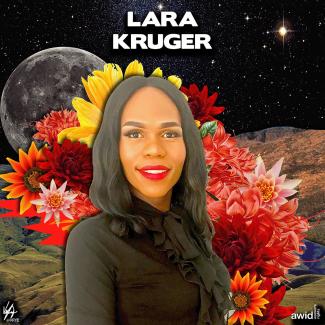
Lara était une DJ bien connue et appréciée de la Motsweding, une radio FM d’Afrique du Sud.
Lara a été l’un des premières animatrices ouvertement transgenre d’une radio grand public. Elle a œuvré sans relâche pour que lumière soit faite sur les questions LGBTI.
L’activisme de Lara a commencé très tôt, alors qu’elle revendiquait son droit de s’habiller et de se comporter afin de se sentir à l’aise auprès des membres de sa communauté qui ne comprenaient pas encore ce que signifiait être transgenre.
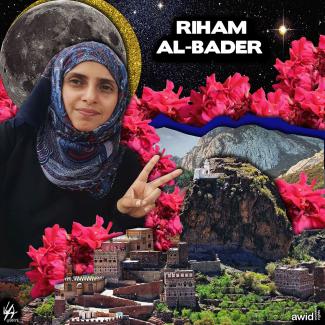
Riham was a lawyer and activist committed to monitoring rights violations in Yemen.
She worked with other activists to supply civilians trapped by Houthi militias in the outskirts of the city of Taiz with food and water.
Riham was killed in February 2018 and it is unconfirmed whether she was killed by a sniper or hit by an aircraft. Nobody has been held accountable for her murder.
Nous vous présentons une sélection motivante de puissantes histoires et d’images de transformations et de résistances créées par des activistes, des écrivain·e·s et des artistes du monde entier.