Florita Nang Flor Caya
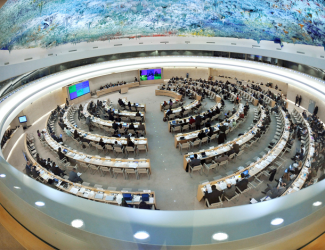
Le Conseil des droits de l'homme (CDH) est un organe intergouvernemental clé du système des Nations Unies, responsable de la promotion et la protection des droits humains autour du globe. Il se réunit trois fois par an en session ordinaire, en Mars, Juin et Septembre. Le Bureau du Haut-Commissariat des Nations Unies aux Droits de l’Homme (HCDH) constitue le secrétariat pour le CDH.
Débat et adopte des résolutions sur les questions globales des droits humains ainsi que sur la situation des droits humains dans des pays particuliers
Examine les plaintes des victimes de violations des droits humains et des organisations activistes, au nom des victimes de violations des droits humains
Nomme des experts indépendants (que l'on connaît sous le nom de « Procédures Spéciales ») pour réviser les cas de violation des droits humains dans des pays spécifiques, ainsi que pour examiner et suivre des questions globales relatives aux droits humains
Prend part à des discussions avec les experts et les gouvernements sur les questions de droits humains
Évalue les bilans des États membres de l'ONU en matière de droits humains tous les quatre ans et demi, dans le cadre de l'examen périodique universel.
La prochaine session du CDH a lieu à Genève, en Suisse, du 30 juin au 17 juillet 2020.
AWID travaille avec des partenaires féministes, progressistes et du domaine des droits humains pour partager nos connaissances clé, convoquer dialogues et évènements avec la société civile, et influencer les négociations et les résultats de la session.
Jour 3


Thanks to our global feminist community! From May to August 2024, nearly 1,200 organizations working for Women's rights, gender justice, and LBTQI+ equality shared their experiences in the WITM survey. The results offer a unique picture of how feminist movements are resourced and where gaps remain.

Notre rapport annuel 2013 retrace les temps forts du travail que nous avons réalisé au cours de l'année, afin de contribuer à l'avancement des droits des femmes et de l'égalité des genres à travers le monde.
When walking in the heart of the Raval district of Barcelona, you might come across Metzineres, a feminist cooperative by and for womxn2 who use drugs surviving multiple situations of vulnerability.
Imagine a place free of stigma, where womxn can be safe. A safe place that provides shelter, support and accompaniment for womxn whose rights are systematically violated by the war on drugs and those who experience violence, discrimination and repression as a result.
Right outside the entrance, passers by and visitors are greeted with a massive chalkboard that outlines tips, tricks, wishes and drawings by drug users. There is also a calendar that boasts a range of activities self-organized by the Metzineres community. Whether it’s hairdressing and cosmetics workshops, radio shows, theater, communal meals offered to the community, or self-defense classes - there is always something going on.
The cooperative provides safe consumption sites as well as utilities that cover people’s basic needs. There are beds, storage spaces, showers, toilets, washing machines and a small outdoor terrace where people can chill or have a goat gardening.
Metzineres operates within a harm reduction framework, which attempts to reduce the negative consequences of using drugs. But harm reduction is so much more than a set of practices: it is a politics anchored in social justice, dignity and rights for people who use drugs.
2 Womxn is a term used by the collective to describe cis and trans women as well as non-binary people

To build feminist-realities centered evidence on how money moves and who it is reaching

This report looks back and celebrates the first year of AWID’s new strategic plan as we took our first steps towards our desired outcomes of supporting feminist movements to thrive, challenging anti-rights agendas and co-creating feminist realities.
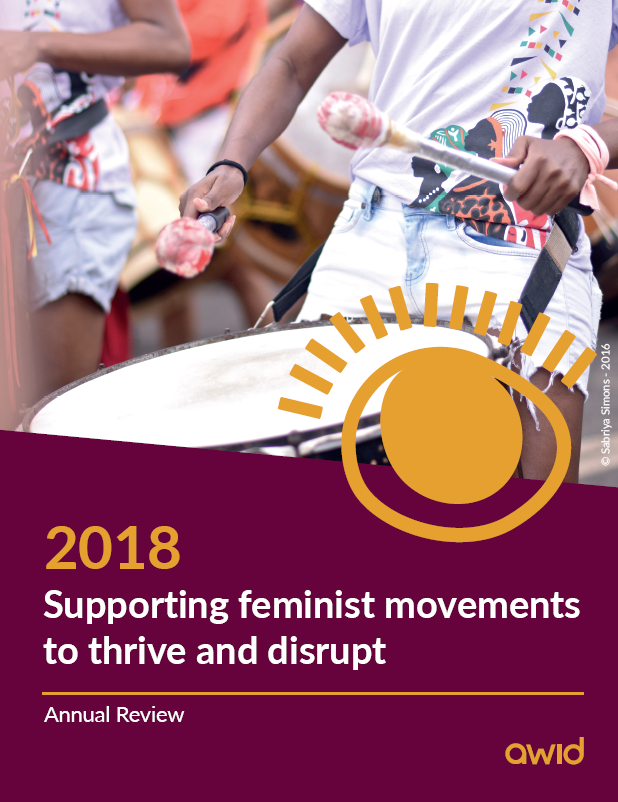
We worked with feminists to disrupt anti-rights agendas, achieving important victories fought and won within the United Nations system when ground-breaking language on structural discrimination, sexual rights, and states’ obligations were included in a number of resolutions. Yes, the multilateral system is in crisis and in need of serious strengthening but these victories are important as they contribute to the legitimacy of feminist demands, providing feminist movements with more pressure points and momentum to advance our agendas.
We tried and tested different ways to build knowledge with feminist movements through webinars, podcasts and ‘live’ conversations. We developed facilitation guides with popular educators to reclaim knowledge in the interest of social and gender justice, even about a topic as seemingly opaque as illicit funding flows. We commissioned blogs and opinions about how feminist groups fund and resource themselves and threw light on the threats facing our human rights systems.
Within AWID, we practiced and learned from our shared leadership approach, and told the story of the trials and tribulations of co-leading a global, virtual organization. We don’t have a definitive answer to what feminist leadership looks like, but we know, a year on, that a continued commitment to collective experimentation and learning has enabled us to keep building an organization that we are all excited to contribute to.
As we look back on this year, we want to thank all our friends and supporters, colleagues and companions, who have given their time and shared their wealth of knowledge and wisdom with us. We want to thank our members who helped frame our strategic plan and joined us to make feminist demands. We could not do this work without you.
El cuidado como base de las economías
La pandemia de COVID-19 puso de relieve la crisis mundial de los cuidados y demostró los fracasos del modelo económico dominante que está destruyendo servicios públicos esenciales, infraestructuras sociales y sistemas de atención en todo el mundo.
Cozinha Ocupação 9 Julho, Asociación de Mujeres Afrodescendientes del Norte del Cauca (ASOM) y Metzineres son solo algunos ejemplos de economías de cuidado que centran las necesidades de las personas marginalizadas y la Naturaleza, así como el trabajo de cuidados, el trabajo reproductivo, invisibilizado y no remunerado necesario para garantizar la sostenibilidad de nuestras vidas, nuestras sociedades y nuestros ecosistemas.

Última fecha de actualización: 25 de abril de 2023
SÍRVASE LEER DETENIDAMENTE EL PRESENTE ACUERDO DE CONDICIONES DE USO (LAS «CONDICIONES DE USO»). LA ASOCIACIÓN PARA LOS DERECHOS DE LAS MUJERES Y EL DESARROLLO («AWID») CONTROLA ESTE SITIO WEB Y SUS SUBDOMINIOS (EN ADELANTE, DENOMINADOS EN CONJUNTO EL «SITIO WEB»), LA INFORMACIÓN DEL SITIO WEB Y LOS SERVICIOS Y RECURSOS DISPONIBLES O FACILITADOS A TRAVÉS DEL SITIO WEB (EN ADELANTE, POR SEPARADO DENOMINADO «SERVICIO» Y, EN EN CONJUNTO, LOS «SERVICIOS»). LAS CONDICIONES DE USO JUNTO CON LA TOTALIDAD DE LAS CONDICIONES SUPLEMENTARIAS QUE PUEDEN PRESENTARSE A USTED PARA SU EXAMEN Y ACEPTACIÓN (EN ADELANTE, DENOMINADO EN CONJUNTO EL «ACUERDO») RIGEN SU ACCESO A LOS SERVICIOS Y EL USO DE ESTOS. AL COMPLETAR EL PROCESO DE REGISTRO, NAVEGAR POR EL SITIO WEB O AL ACCEDER Y USAR DE CUALQUIER OTRO MODO CUALQUIERA DE LOS SERVICIOS, USTED MANIFIESTA QUE (1) HA LEÍDO, COMPRENDIDO Y ACEPTADO EL ACUERDO, (2) USTED TIENE LA EDAD LEGAL PARA SUSCRIBIR UN CONTRATO VINCULANTE CON AWID, Y (3) USTED POSEE LA FACULTAD PARA SUSCRIBIR EL CONTRATO A TÍTULO PERSONAL O EN NOMBRE DE UNA ENTIDAD JURÍDICA IDENTIFICADA DURANTE EL PROCESO DE REGISTRO DE LA CUENTA, Y A VINCULAR DICHA ENTIDAD JURÍDICA AL ACUERDO. EL TÉRMINO «USTED» REFIERE A LA PERSONA A TÍTULO INDIVIDUAL O A DICHA ENTIDAD JURÍDICA, SEGÚN PROCEDA. SI USTED, O CUANDO CORRESPONDA, DICHA ENTIDAD JURÍDICA, NO ACEPTA ESTAR OBLIGADX POR EL ACUERDO, USTED, Y CUANDO CORRESPONDA, DICHA ENTIDAD JURÍDICA, NO PODRÁ ACCEDER A LOS SERVICIOS NI HACER USO DE ELLOS.
TENGA PRESENTE QUE EN EL APARTADO 1.4 (COMUNICACIONES DE AWID) DEL ACUERDO QUE SE INCLUYE MÁS ADELANTE CONTIENE SU CONSENTIMIENTO PARA SER INCLUIDX EN UNA LISTA DE DESTINATARIXS DE NUESTRAS COMUNICACIONES.
TENGA EN CUENTA QUE EL ACUERDO ESTÁ SUJETO A CAMBIOS POR PARTE DE AWID A SU ENTERA DISCRECIÓN Y EN CUALQUIER MOMENTO. CUANDO SE EFECTÚEN CAMBIOS, AWID PONDRÁ A DISPOSICIÓN, EN EL SITIO WEB, UNA COPIA ACTUALIZADA DEL ACUERDO Y ESPECIFICARÁ LA «ÚLTIMA FECHA DE ACTUALIZACIÓN» EN LA PARTE SUPERIOR DE LAS CONDICIONES DE USO. EN CASO DE QUE HAGAMOS CUALQUIER TIPO DE CAMBIO MATERIAL EN EL ACUERDO, LE NOTIFICAREMOS EN EL SITIO WEB ACERCA DE DICHOS CAMBIOS MATERIALES E INTENTAREMOS NOTIFICARLE MEDIANTE EL ENVÍO DE UN CORREO ELECTRÓNICO A LA DIRECCIÓN QUE USTED HAYA SUMINISTRADO EN EL REGISTRO DE SU CUENTA (SI CONTAMOS CON UNA EN NUESTROS ARCHIVOS). TODO CAMBIO EFECTUADO AL ACUERDO TENDRÁ EFECTO DE FORMA INMEDIATA PARA LXS NUEVXS USUARIXS DE LOS SERVICIOS Y SERÁ EFECTIVO PARA LXS USUARIXS YA REGISTRADXS LUEGO DE TRANSCURRIDOS (A) TREINTA (30) DÍAS DESDE LA «ÚLTIMA FECHA DE ACTUALIZACIÓN» INDICADA EN ESTAS CONDICIONES DE USO, O (B) DESDE SU CONSENTIMIENTO O ACEPTACIÓN DEL ACUERDO ACTUALIZADO EN EL CASO DE QUE AWID PROPORCIONE UN MECANISMO PARA LA ACEPTACIÓN INMEDIATA DE SU PARTE DE UN MODO ESPECÍFICO (COMO, POR EJEMPLO, LA ACEPTACIÓN MEDIANTE UN CLIC), LO CUAL AWID PUEDE REQUERIR ANTES DE QUE SE PERMITAN OTROS USOS DE LOS SERVICIOS. EN CASO DE NO ACEPTAR EL ACUERDO ACTUALIZADO, USTED DEBE DEJAR DE USAR TODOS LOS SERVICIOS A PARTIR DE LA FECHA EN QUE ENTRA EN VIGENCIA EL ACUERDO ACTUALIZADO. EN CASO CONTRARIO, EL USO CONTINUO QUE USTED HAGA DE CUALQUIERA DE LOS SERVICIOS LUEGO DE LA FECHA DE ENTRADA EN VIGENIA DEL ACUERDO ACTUALIZADO CONSTITUIRÁ SU ACEPTACIÓN DEL ACUERDO ACTUALIZADO. SÍRVASE VISITAR EL SITIO WEB CON PERIODICIDAD PARA CONSULTAR EL ACUERDO VIGENTE EN DICHO MOMENTO. USTED ACEPTA QUE LA PRESTACIÓN CONTINUA DE LOS SERVICIOS POR PARTE DE AWID CONSTITUYE UNA CONSIDERACIÓN ADECUADA PARA LOS CAMBIOS HECHOS AL ACUERDO ACTUALIZADO.
1. USO DE LOS SERVICIOS. Los Servicios, y la información y el contenido disponibles en estos, gozan de la protección de las leyes de propiedad intelectual vigentes. Salvo que esté sujeto a una licencia por separado entre usted y AWID, su derecho a usar alguno o la totalidad de los Servicios está sujeto al Acuerdo.
1.1 Licencia para los servicios. Sujeto al cumplimiento del Acuerdo por parte de usted, AWID le concede una licencia para usar los Servicios no asignable, no transferible, no susceptible de sublicencia, revocable y no exclusiva, según lo permitido por el Acuerdo.
1.2 Actualizaciones. Como usted comprenderá, los Servicios evolucionan. Usted reconoce y acepta que AWID puede actualizar los Servicios habiéndole notificado de ello o no.
1.3 Algunas restricciones. Los derechos concedidos a usted en el Acuerdo están sujetos a las siguientes restricciones: (a) usted no otorgará licencia, venderá, rentará, cederá en arriendo, transferirá, asignará, reproducirá, distribuirá, alojará ni explotará comercialmente de algún otro modo ninguno de los Servicios; (b) no enmarcará ni utilizará ninguna técnica de enmarcado para incluir ninguna marca comercial, logotipo o cualquier otra parte de los Servicios (incluidos textos, imágenes, composición o formato de páginas); (c) no usará ninguna metatetiqueta ni ningún otro «texto oculto» en los que se emplee el nombre de AWID o sus marcas comerciales; (d) no modificará, traducirá, adaptará, fusionará, creará obras derivadas, desmontará, desensamblará, ni utilizará compilación inversa ni ingeniería inversa en ninguna de las partes de los Servicios, salvo cuando las restricciones mencionadas se encuentren prohibidas de forma expresa por la ley vigente; (e) no usará ningún software, dispositivo ni ningún otro proceso automatizado (incluidos, entre otros, spiders, robots, scrapers, crawlers, avatares, herramientas de extracción de datos u otras similares) para «recoger» o descargar datos de ninguna de las página web contenidas en los Servicios (salvo que concedamos a lxs operadorxs de los motores de búsqueda públicos un permiso revocable para utilizar programas de tipo spiders destinados a copiar material del Sitio Web para ese único fin y solamente en la medida necesaria para crear índices de búsqueda de acceso público a los materiales, pero no cachés ni archivos de dichos materiales); (f) salvo que se indique expresamente lo contrario, no está permitido copiar, reproducir, distribuir, republicar, descargar, exhibir, publicar o transmitir ninguna de las partes de los Servicios de ningún modo ni por ningún medio, y (h) usted no quitará ni destruirá ningún aviso de propiedad intelectual ni ninguna marca de propiedad contenida en los Servicios o acerca de estos. Toda emisión, actualización o adición realizada en el futuro en relación con los Servicios estará sujeta a lo dispuesto en el Acuerdo. AWID, sus proveedorxs y prestadorxs de servicios se reservan todos los derechos no concedidos en el Acuerdo.
1.4 Comunicaciones de AWID. Al suscribir el Acuerdo o usar los Servicios, usted acepta recibir nuestras comunicaciones, incluidas las enviadas a través de correo electrónico. Las comunicaciones de nuestra parte o de nuestras compañías afiliadas pueden incluir, entre otras cosas, comunicaciones operacionales concernientes al uso que usted hace de los Servicios y correos electrónicos promocionales. SI DESEA RENUNCIAR A RECIBIR CORREOS ELECTRÓNICOS PROMOCIONALES, PUEDE CANCELAR LA SUSCRIPCIÓN DE NUESTRA LISTA DE CORREOS ELECTRÓNICOS PROMOCIONALES SIGUIENDO LAS OPCIONES PARA CANCELAR LA SUSCRIPCIÓN QUE FIGURAN EN EL PROPIO CORREO ELECTRÓNICO PROMOCIONAL.
2. REGISTRO.
2.1 Registro de su Cuenta. A fin de acceder a determinadas funciones de los Servicios, se le puede solicitar que se registre como usuarix. A los efectos del presente Acuerdo, unx «Usuarix Registradx» es aquelx usuarix que ha registrado una cuenta con AWID a través de los Servicios («Cuenta»).
2.2 Datos de Registro. Al registrar una Cuenta, usted acepta que (a) la información que suministra acerca suyo es verdadera, exacta, actual y completa tal como se le solicita en el formulario de registro (los «Datos de Registro»), y (b) mantiene los Datos de Registro y los actualiza oportunamente para que estos sigan siendo verdaderos, exactos, actuales y completos. Usted manifiesta que (i) tiene como mínimo dieciocho (18) años de edad; (ii) es mayor de edad para celebrar un contrato vinculante, y (iii) no tiene prohibido usar los Servicios en virtud de las leyes de los Estados Unidos, Canadá, su lugar de residencia ni de ninguna otra jurisdicción correspondiente. Usted es responsable de todas las actividades que ocurran en su Cuenta. Usted acepta que supervisará su Cuenta para restringir el uso de cualquier otra persona, incluidas personas menores de edad, y aceptará plena responsabilidad por cualquier uso no autorizado que se haga de ella. Usted no puede compartir el nombre de usuarix y contraseña de su Cuenta con ninguna otra persona, y acepta (y) notificar a AWID de inmediato acerca de cualquier uso no autorizado de su contraseña o sobre cualquier otra vulneración de la seguridad, y (z) salir de su Cuenta al finalizar cada sesión. Toda información falsa, inexacta, no vigente o incompleta que usted suministre, o bien, en caso de que AWID tenga motivos razonables para sospechar que la información que usted suministra es falsa, inexacta, no vigente o incompleta, AWID tiene derecho a suspender o cancelar su Cuenta y rehusarse a permitir todo uso actual o futuro de los Servicios (o una parte de estos). Usted acepta no crear una Cuenta en la que se utilice una identidad o información falsas, o en nombre de otra persona que no sea usted mismx. Usted acepta no crear una Cuenta o usar los Servicios si a usted AWID lx ha removido con anterioridad, o si sobre usted pesa una prohibición previa por parte de cualquiera de los Servicios.
2.3 Su Cuenta. Sin perjuicio de lo dispuesto en el presente acuerdo, usted reconoce y acepta que no tendrá ningún otro interés o propiedad en su Cuenta; asimismo, reconoce y acepta que todos los derechos sobre su Cuenta son y serán por siempre propiedad de AWID y redundan en beneficio de AWID.
2.4 Equipamiento y software necesarios. Usted debe procurarse todo el equipamiento y software necesarios para conectarse a los Servicios. Únicamente usted es responsable por cualquier tasa, incluidas las tasas de conexión a Internet y telefonía móvil, en la que incurra al acceder a los Servicios.
3. PROPIEDAD.
3.1 Servicios. AWID y sus proveedorxs poseen todos los derechos, título e interés en los Servicios, y los Servicios gozan de la protección de los derechos de propiedad intelectual a lo largo y ancho del mundo. Usted acepta no remover, alterar ni ocultar ningún derecho de propiedad intelectual, marca registrada, marca de servicio ni ninguna otra mención de derechos de autor incorporados a los Servicios o que los acompañen.
3.2 Marcas registradas. El nombre de AWID y la totalidad de sus estilizaciones, gráficos, logotipos, marcas de servicios y razones sociales asociadas que se usen en los Servicios o en conexión con cualquiera de ellos son marcas registradas de AWID y no pueden usarse sin permiso en relación con usted ni terceras personas, productos o servicios. Las marcas registradas, marcas de servicios y razones sociales de terceras personas que puedan aparecer en los Servicios son propiedad de sus respectivxs titulares.
3.3 Apreciaciones (“feedback”). Usted acepta que la presentación de cualquier idea, sugerencia, documento o propuesta a AWID («Apreciaciones») queda bajo su propio riesgo y que AWID no tiene obligaciones de ningún tipo (entre otras, obligaciones de confidencialidad) con respecto a dichas Apreciaciones. Usted manifiesta y garantiza que posee todos los derechos necesarios para presentar una Apreciación. Mediante el presente, usted concede a AWID un derecho y licencia totalmente pagos, libres de regalías, perpetuos, irrevocables, de carácter mundial y no exclusivos para usar, reproducir, ejecutar, exhibir, distribuir, adaptar, modificar, dar nuevo formato, crear obras derivadas y explotar de cualquier otro modo de forma comercial o no comercial todas y cada una de las Apreciaciones, y para sublicenciar los derechos antes mencionados, en conexión con la operación y el mantenimiento de los Servicios o las actividades de AWID.
4. CONDUCTA DE LXS USUARIXS. Como una de las condiciones de uso, usted acepta no utilizar ninguno de los Servicios para ningún fin prohibido en virtud del presente Acuerdo o por la ley aplicable. Usted no tomará (y no permitirá a ninguna tercera persona hacerlo) ninguna acción que (i) infrinja, suponga una apropiación indebida o que de algún otro modo constituya una violación de alguno de los derechos de propiedad intelectual, derechos de publicidad, derechos de privacidad o cualquier otro derecho de cualquier otra persona o entidad; (ii) sea ilegal, suponga una amenaza, sea abusiva, de hostigamiento, difamatoria, injuriante, engañosa, fraudulenta, que suponga la invasión de la privacidad de otra persona, que sea maliciosa, obscena, ofensiva o inmoral; (iii) constituya publicidad no autorizada o no solicitada, correo electrónico basura o masivo; (iv) involucre actividades comerciales o ventas, como concursos, sorteos, trueques, anuncios publicitarios o esquemas piramidales sin el consentimiento previo por escrito de AWID; (v) se haga pasar por cualquier otra persona o entidad, incluidxs empleadxs o representantes de AWID; (vi) interfiera o intente interferir con el funcionamiento apropiado de los Servicios o utilice los servicios de cualquier otro modo prohibido expresamente en el Acuerdo, o (vii) intente participar o participe en cualquier acto potencialmente perjudicial dirigido contra los Servicios, entre otras cosas, violar o intentar violar cualquier medida de seguridad de los Servicios, introducir virus, gusanos, o códigos similarmente dañinos en los Servicios, o interfiera o intente interferir en el uso de los Servicios por parte de cualquier otrx usuarix, servidor o host o red, entre otras cosas, mediante sobrecargas, «inundaciones», mensajes «basura» o spam, «bombardeo de correo», o «colapso» de los Servicios.
5. DONACIONES. AWID puede recolectar donaciones de su parte a través de los Servicios. Usted debe brindar a AWID una tarjeta de crédito válida (VISA, MasterCard o de cualquier otra entidad emisora que aceptemos) o una cuenta en PayPal de un proveedor de pagos (cada uno, «Proveedor de Pagos») para que podamos procesar la donación. El acuerdo que tenga con su Proveedor de Pagos es el que rige el uso que usted haga de la tarjeta de crédito o la cuenta deen PayPal designadas, y usted debe remitirse a dicho acuerdo, y no al presente Acuerdo, para determinar sus derechos y obligaciones.
6. INDEMNIZACIÓN. Usted acepta indemnizar a AWID, sus matrices, subsidiarixs, afiliadxs, funcionarixs, empleadxs, agentes, socixs, proveedorxs y licenciatarixs (en adelante, por separado denominadx cada unx «Parte de AWID» y, en conjunto, «Partes de AWID») y eximir a AWID de cualquier pérdida, costo, obligación y pago (incluidos honorarios razonables de abogadxs) en relación con todas y cada una de las siguientes acciones o de las que resultaran de ellas: (a) su uso de cualquier Servicio en violación del Acuerdo; (b) su violación de cualquier derecho de otra parte, incluidos los de cualquiera de lxs Usuarixs Registradxs, o (c) su violación de cualquiera de las leyes, normas y regulaciones vigentes. AWID se reserva el derecho, por cuenta propia, de asumir la defensa y el control exclusivos de todo asunto sujeto a indemnización de parte de usted, en cuyo caso, usted acepta cooperar plenamente con AWID para ejercer cualquier defensa disponible. Esta cláusula no exige que usted indemnice a ninguna de las Partes de AWID por ninguna práctica comercial desleal por dicha parte o por fraude, engaño, falsa promesa, tergiversación u ocultamiento, o supresión u omisión de cualquier hecho material en relación con cualquiera de los Servicios prestados en virtud del presente Acuerdo. Usted acepta que las disposiciones enunciadas en este apartado sobrevivirán a cualquier rescisión de su Cuenta, del Acuerdo o de su acceso a los Servicios.
7. EXENCIÓN DE GARANTÍAS Y CONDICIONES.
7.1 Tal como se presentan. USTED COMPRENDE Y ACEPTA DE MANERA EXPRESA QUE, EN LA MEDIDA EN QUE LO PERMITA LA LEGISLACIÓN VIGENTE, EL USO QUE USTED HAGA DE LOS SERVICIOS CORRE SU PROPIA CUENTA Y RIESGO, Y QUE LOS SERVICIOS SE PRESTAN «TAL COMO SE PRESENTAN» Y «SEGÚN DISPONIBILIDAD», CON TODOS LOS DEFECTOS QUE PUDIERAN TENER. AWID RENUNCIA EXPRESAMENTE A TODAS LAS GARANTÍAS, MANIFESTACIONES Y CONDICIONES DE CUALQUIER TIPO, YA SEAN ESTAS EXPRESAS O IMPLÍCITAS, INCLUIDAS, ENTRE OTRAS, LAS GARANTÍAS O CONDICIONES IMPLÍCITAS DE COMERCIABILIDAD, IDONEIDAD PARA UN FIN DETERMINADO Y NO VULNERACIÓN DERIVADAS DEL USO DE LOS SERVICIOS.
(a) AWID NO OFRECE NINGUNA GARANTÍA, MANIFESTACIÓN NI CONDICIÓN DE QUE (1) LOS SERVICIOS SATISFARÁN SUS REQUERIMIENTOS; (2) EL USO QUE USTED HAGA DE LOS SERVICIOS SERÁN ININTERRUMPIDOS, OPORTUNOS, SEGUROS O ESTARÁN LIBRES DE ERRORES, O (3) LOS RESULTADOS QUE SE PUEDAN OBTENER DEL USO DE LOS SERVICIOS SERÁN ADECUADOS O CONFIABLES.
(b) NINGUNA RECOMENDACIÓN NI INFORMACIÓN YA SEA DE FORMA ORAL O ESCRITA, OBTENIDA DE AWID O MEDIANTE LOS SERVICIOS, CREARÁN NINGUNA GARANTÍA QUE NO SE HAYA EXPRESADO EN EL PRESENTE ACUERDO.
7.2 Exención de responsabilidad por la conducta de terceras personas. USTED RECONOCE Y ACEPTA QUE LAS PARTES DE AWID NO SON RESPONSABLES, Y USTED SE COMPROMETE A NO EXIGIR RESPONSABILIDADES A LAS PARTES DE AWID POR LA CONDUCTA DE TERCERAS PERSONAS, INCLUIDAS LAS DE LXS OPERADORXS DE SITIOS EXTERNOS Y OTRXS USUARIXS DE LOS SERVICIOS.
7.3 Materiales de terceras personas. Como parte de los Servicios, usted puede tener acceso a materiales que están alojados por otras partes. Usted acepta que para AWID resulta imposible supervisar dichos materiales y que usted accede a estos bajo su propio riesgo.
8. LÍMITE DE RESPONSABILIDAD.
8.1 Descargo de responsabilidad por determinados daños. USTED COMPRENDE Y ACEPTA QUE, EN LA MAYOR MEDIDA PREVISTA POR LEY, EN NINGÚN CASO LAS PARTES DE AWID SE HARÁN RESPONSABLES POR NINGUNA PÉRDIDA DE LUCRO, INGRESOS O DATOS, DAÑOS INDIRECTOS, INCIDENTALES, ESPECIALES O CONSECUENTES, NI DE DAÑOS O COSTOS DERIVADOS DE LA PÉRDIDA DE PRODUCCIÓN O USO, INTERRUPCIÓN DE ACTIVIDAD, O LA ADQUISICIÓN DE BIENES O SERVICIOS DE SUSTITUCIÓN, EN CADA CASO YA SEA QUE SE HAYA NOTIFICADO O NO A AWID DE LA POSIBILIDAD DE DICHOS DAÑOS, DERIVADOS O EN CONEXIÓN CON EL ACUERDO NI NINGUNA COMUNICACIÓN, INTERACCIÓN O REUNIÓN CON OTRXS USUARIXS DE LOS SERVICIOS, NI DE NINGUNA TEORÍA DE RESPONSABILIDAD. EL DESCARGO DE RESPONSABILIDAD ENUNCIADO ANTES NO SE APLICARÁ A LA RESPONSABILIDAD DE ALGUNA DE LAS PARTES DE AWID EN CASO DE (i) MUERTE O LESIONES PERSONALES CAUSADAS POR LA NEGLIGENCIA DE ALGUNA DE LAS PARTES DE AWID, O (ii) NINGUNA LESIÓN CAUSADA POR EL FRAUDE O REPRESENTACIÓN FRAUDULENTA DE ALGUNA DE LAS PARTES DE AWID.
8.2 Límite de responsabilidad. EN LA MAYOR MEDIDA PREVISTA POR LEY, LAS PARTES DE AWID NO SE HARÁN RESPONSABLES ANTE USTED POR UN MONTO SUPERIOR A LOS USD 100. EL LÍMITE DE RESPONSABILIDAD ENUNCIADO ANTES NO SE APLICARÁ A LA RESPONSABILIDAD DE ALGUNA DE LAS PARTES EN CASO DE (i) MUERTE O LESIONES PERSONALES CAUSADAS POR LA NEGLIGENCIA DE ALGUNA DE LAS PARTES DE AWID, O (ii) NINGUNA LESIÓN CAUSADA POR EL FRAUDE O REPRESENTACIÓN FRAUDULENTA DE ALGUNA DE LAS PARTES DE AWID.
8.3 Exclusión de daños. DETERMINADAS JURISDICCIONES NO PERMITEN LA EXCLUSIÓN O EL LÍMITE DE CIERTOS DAÑOS. SI DICHA LEGISLACIÓN SE APLICA A USTED, PARTE O LA TOTALIDAD DE LAS EXCLUSIONES O LÍMITES ENUNCIADOS ANTES PUEDE QUE NO SE APLIQUEN A USTED, Y USTED PODRÍA GOZAR DE OTROS DERECHOS ADICIONALES.
8.4 Bases de negociación. LOS LÍMITES DE DAÑOS ESTABLECIDOS ANTES CONSTITUYEN ELEMENTOS FUNDAMENTALES DE LAS BASES DE NEGOCIACIÓN ENTRE AWID Y USTED.
9. PROCEDIMIENTO PARA PRESENTAR RECLAMOS POR VIOLACIÓN DE LOS DERECHOS DE AUTOR. Es política de AWID cesar los privilegios de membresía de todx Usuarix Registradx que en reiteradas ocasiones viole los derechos de autor previa notificación inmediata a AWID por xl titular de los derechos de autor o lx agente legal dxl titular. Sin perjuicio de lo anterior, si en su opinión su trabajo se copió y publicó en los Servicios de forma que constituye una violación a los derechos de autor, sírvase suministrar a nuestrx Agente de Derechos de Autor la siguiente información: (a) firma electrónica o física de la persona autorizada para actuar en nombre dxl titular de los derechos de autor; (b) una descripción de la obra protegida por derechos de autor que usted alega que se ha infringido; (c) una descripción de la ubicación en los Servicios del material que usted alega que se ha infringido; (d) su dirección, número de teléfono y dirección de correo electrónico; (e) una declaración por escrito de su parte en la que conste que usted cree de buena fe que el uso en cuestión no está autorizado por lxtitular de los derechos de autor, su agente o la ley, y (f) una declaración suya, hecha bajo pena de falso testimonio, de que la información arriba mencionada en su notificación es exacta y que usted es xl titular de los derechos de autor o está autorizadx a actuar en nombre dxl titular de dichos derechos. La información de contacto dxl Agente de Derechos de Autor de AWID para notificar reclamos de violación de derechos de autor es la siguiente: Director of Operations, AWID, 192 Spadina Avenue #300, Toronto, Ontario, M5T 2C2, Canadá, dosr@awid.org.
10. CONTROL Y CUMPLIMIENTO. AWID se reserva el derecho a: (a) tomar las acciones legales apropiadas, entre otras cosas, la remisión a los organismos de seguridad, por cualquier uso ilegal o no autorizado de los Servicios, y (b) cesar o suspender su acceso a los Servicios en su totalidad o en parte por cualquier razón, incluida, entre otras, cualquier violación del presente Acuerdo.
En caso de que AWID tome conocimiento de cualquier posible violación por su parte del Acuerdo, AWID se reservará el derecho a investigar dichas violaciones. En caso de que, como resultado de la investigación, AWID considere que ha ocurrido una actividad delictiva, AWID se reservará el derecho a referir la cuestión a cualquiera de las autoridades legales competentes y a cooperar con estas. AWID tiene derecho, salvo en la medida en que lo prohíba la legislación vigente, a dar a conocer toda información o material sobre los Servicios o que se encuentren en ellos que esté en posesión de AWID en relación con el uso que usted haya hecho de los Servicios, para (i) cumplir con la legislación vigente, los procesos legales o requerimientos gubernamentales; (ii) ejecutar el Acuerdo, (iii) responder a sus solicitudes de servicio al cliente, o (iv) proteger los derechos, la propiedad o seguridad personal de AWID, sus Usuarixs Registradxs o el público, y todxs lxs funcionarixs de seguridad u otrxs funcionarixs gubernamentales que AWID considere, a su entera discreción, necesarios o apropiados.
11. VIGENCIA Y RESCISIÓN.
11.1 VIGENCIA. El Acuerdo entra en vigencia en la fecha en que usted lo acepta (según lo descrito en el preámbulo precedente) y mantiene su plena vigencia y efecto mientras usted use los Servicios, salvo que se rescinda antes, conforme a lo establecido en el Acuerdo.
11.2 Uso Previo. Sin perjuicio de lo anterior, por la presente usted reconoce y acepta que el Acuerdo entró en vigencia en la primera de las siguientes fechas: (a) la fecha en la que usó por primera vez los Servicios, o (b) la fecha en la que usted aceptó el Acuerdo. Asimismo, usted reconoce y acepta que el Acuerdo mantendrá su plena fuerza y efecto mientras use cualquiera de los Servicios, salvo que se rescinda antes conforme a lo establecido en el Acuerdo.
11.3 Cese de los Servicios por parte de AWID. Si usted ha cometido una violación material de cualquiera de las disposiciones del Acuerdo, o si a AWID se le requiere hacerlo por ley (por ejemplo, cuando la prestación de los Servicios sea o pase a ser ilegal), AWID tiene derecho a suspender o cesar de inmediato y sin aviso previo cualquiera de los Servicios que le presta. Usted acepta que AWID, a su sola discreción, ejecutará todos los ceses por causas justificadas, y que AWID no será responsable ante usted ni tercera persona alguna por ninguno de los ceses de su Cuenta.
11.4 Cese de los Servicios por vuestra parte. Si usted desea rescindir los Servicios que le presta AWID, usted puede hacerlo mediante (a) notificación a AWID en cualquier momento, y (b) el cierre de su Cuenta para todos los Servicios que usted usa. Usted debe enviar la notificación, por escrito, a la dirección de AWID que figura más adelante.
11.5 Efecto de la Rescisión. La rescisión de alguno de los Servicios incluye la remoción del acceso al Servicio de que se trate y la prohibición de su uso ulterior. Tras la rescisión de cualquiera de los Servicios, su derecho a usar dicho Servicio se extinguirá de inmediato de forma automática. Todas aquellas disposiciones del Acuerdo que, por su naturaleza debieran subsistir, mantendrán su vigencia tras el cese de los Servicios, entre otras cosas, las disposiciones relativas a la propiedad, las exenciones de garantías y la limitación de responsabilidad.
11.6 Sin registro posterior. Si AWID discontinúa su(s) registro(s) con los Servicios o con cualquier otra comunidad de AWID, o la capacidad de acceso a estos, debido a una violación de su parte de un segmento del Acuerdo o a una conducta inapropiada para la comunidad, entonces usted acepta que no intentará volver a registrarse en los Servicios o acceder a ellos ni a ninguna de las comunidades de AWID mediante el uso de un nombre de afiliadx diferente o de otro tipo, y usted reconoce que no tendrá derecho a recibir ningún reembolso de las tasas relacionadas con dichos Servicios cuyo acceso le fue denegado. En el caso de que usted viole el enunciado inmediatamente precedente, AWID se reserva el derecho, a su entera discreción, de adoptar de inmediato alguna o todas las medidas establecidas en el presente Acuerdo sin enviarle notificación o advertencia previas.
12. USUARIXS INTERNACIONALES. Es posible acceder a los Servicios desde países de todo el mundo, y dichos servicios pueden contener referencias a otros Servicios que no se encuentran disponibles en su país. Dichas referencias no implican en modo alguno que AWID pretenda anunciar dichos Servicios en su país. AWID controla y ofrece los Servicios desde sus instalaciones en Canadá. AWID no manifiesta en modo alguno que los Servicios sean los apropiados ni estén disponibles para usarse en otros lugares. Quienes accedan o usen los Servicios desde otros países lo hacen por voluntad propia y son responsables de cumplir con la legislación local.
13. SERVICIOS DE TERCERAS PERSONAS. Los Servicios pueden contener enlaces a sitios de terceras personas («Sitios Web de Terceras Personas»), aplicaciones de terceras personas («Aplicaciones de Terceras Personas») y anuncios de terceras personas («Anuncios de Terceras Personas»). Cuando usted haga clic en un enlace a un Sitio Web de Terceras Personas, Aplicación de Terceras Personas o Anuncios de Terceras Personas, no le advertiremos que usted ha abandonado los Servicios y está sujetx a los términos y las condiciones (incluidas las políticas de privacidad) de otro sitio web o destino. Dichos Sitios Web de Terceras Personas, Aplicaciones de Terceras Personas y Anuncios de Terceras Personas se encuentran fuera del control de AWID. AWID no es responsable de ninguno de los Sitios Web de Terceras Personas, Aplicaciones de Terceras Personas o Anuncios de Terceras Personas. AWID ofrece dichos Sitios Web de Terceras Personas, Aplicaciones de Terceras Personas y Anuncios de Terceras Personas sólo para fines de conveniencia y no examina, aprueba, supervisa, avala, justifica ni hace ninguna manifestación con respecto de los Sitios Web de Terceras Personas, Aplicaciones de Terceras Personas o Anuncios de Terceras Personas, ni de ningún producto o servicio que se presenten en relación con estos. El uso que usted haga de Sitios Web de Terceras Personas, Aplicaciones de Terceras Personas y Anuncios de Terceras Personas corren por su propio riesgo. Cuando usted abandona nuestro Sitio Web, dejan de regir el Acuerdo y nuestras políticas. Usted deberá examinar las condiciones y políticas aplicables, incluidas las prácticas de privacidad y recopilación de datos, de cualquiera de los Sitios Web de Terceras Personas, las Aplicaciones de Terceras Personas y los Anuncios de Terceras Personas, y llevar adelante cualquier investigación que usted considere necesaria o apropiada antes de proceder con cualquier transacción con alguna de las terceras partes.
14. RESOLUCIÓN DE CONTROVERSIAS.
14.1 Aplicabilidad del Acuerdo de Arbitraje. Usted acepta que cualquier controversia entre usted y nosotrxs que de cualquier modo se relacione con el Acuerdo se resolverá por arbitraje vinculante, antes que en un tribunal, salvo que (1) usted y AWID puedan interponer reclamos ante un tribunal de reclamaciones menores si dichas reclamaciones así lo ameritan, y (2) usted o AWID puedan procurar una compensación equitativa en un tribunal por la violación de los derechos de propiedad intelectual u otro uso indebido de dichos derechos (como marcas registradas, imágenes de marcas, nombres de dominio, secretos comerciales, derechos de autor y patentes). El presente Acuerdo de Arbitraje se aplicará, sin limitaciones, a todas las reclamaciones que surjan o se hayan presentado antes de la Fecha de Entrada en vigencia del presente Acuerdo o de toda versión previa de este.
14.2 Normas y Foro de Arbitraje. La Ley Federal de Arbitraje rige la interpretación y el cumplimiento de este Acuerdo de Arbitraje. Para dar inicio a un proceso de arbitraje, usted debe enviar una carta en la que solicite un arbitraje y en la que describa la reclamación que nos realiza, por escrito, a 192 Spadina Avenue #300, Toronto, Ontario, M5T 2C2, Canadá. El arbitraje lo ejecutará JAMS, un prestador establecido y alternativo de resolución de controversias. Las controversias que involucren reclamaciones y contrarreclamaciones con un valor en controversia inferior a USD 250.000, sin incluir honorarios e intereses de abogadxs, estarán sujetas a la versión más actual del Reglamento y Procedimientos de Arbitraje Simplificados de JAMS disponibles en http://www.jamsadr.com/rules-streamlined-arbitration/; todas las demás reclamaciones estarán sujetas a la versión más actual del Reglamento y Procedimientos Generales de JAMS, disponibles en http://www.jamsadr.com/rules-comprehensive-arbitration/. Los reglamentos de JAMS, asimismo, se encuentran disponibles en www.jamsadr.com o bien mediante llamado telefónico al número 800-352-5267 de JAMS. Si JAMS no estuviera disponible para llevar adelante el arbitraje, las partes seleccionarán un foro de arbitraje alternativo. Si lx árbitrx entiende que usted no puede afrontar el pago de los costos de presentación, administrativos, audiencias u otros honorarios de JAMS y usted no puede obtener una exención de parte de JAMS, AWID los pagará por usted.
Usted puede elegir que el arbitraje se conduzca por vía telefónica, sobre la base de presentaciones por escrito, o en persona en un lugar convenido de mutuo acuerdo. Todo fallo sobre el laudo que dicte lxárbitrx podrá presentarse ante cualquier tribunal de jurisdicción competente.
14.3 Facultades dxl Arbitrx. Sin perjuicio del alcance del apartado 14.1, lx árbitrx tendrá facultad exclusiva para resolver cualquier controversia relacionada con la interpretación, aplicabilidad, obligatoriedad o formación del presente Acuerdo de Arbitraje, incluida, entre otras cosas, cualquier reclamación según la cual el presente Acuerdo de Arbitraje se considere nulo o anulable, ya sea en su totalidad o en parte. Lx árbitrx decidirá los derechos y obligaciones, si los hubiera, de su parte o de AWID. El procedimiento de arbitraje no se unificará con ninguna otra cuestión ni se asociará con ningún otro procedimiento ni ninguna otra parte. Lx árbitrx tendrá la facultad de conceder la resolución de la totalidad o una parte de cualquier reclamación o controversia. Lx árbitrx tendrá la facultad de otorgar compensaciones monetarias o de conceder una compensación no monetaria o reparación disponible a una parte a título individual en virtud de la ley vigente, los reglamentos de los foros de arbitraje, y el presente Acuerdo (incluido el Acuerdo de Arbitraje). Lx árbitrx emitirá un laudo y una declaración del fallo por escrito en los que se describirán los resultados y conclusiones en el que se funde cualquier laudo (o de la decisión para no dictar laudo), incluidos los cálculos de todos los daños y perjuicios adjudicados. Lx árbitrx se ceñirá a lo que dicte la ley vigente. Lx árbitrx posee las mismas facultades para conceder una compensación de forma individual que puede tener unx juezx en un tribunal de justicia. La resolución dxl árbitrx es definitiva y vinculante entre usted y nosotrxs.
14.4 Renuncia a un juicio con jurado. POR EL PRESENTE, USTED Y AWID RENUNCIAN A CUALQUIER DERECHO CONSTITUCIONAL Y REGLAMENTARIO A INTERPONER UNA DEMANDA EN LOS TRIBUNALES (SALVO TRIBUNALES DE RECLAMACIONES MENORES, SEGÚN LO ESTABLECIDO EN EL PRESENTE ACUERDO) Y A SOMETERSE A UN TRIBUNAL FRENTE A UNX JUEZX O JURADX. En cambio, usted y AWID deciden que todas las reclamaciones y controversias cubiertas se resolverán por medio de arbitraje en virtud del presente Acuerdo de Arbitraje, salvo lo indicado en el apartado 14.1 precedente. Unx árbitrx puede conceder de manera individualizada las mismas compensaciones por daños y perjuicios e indemnizaciones que un tribunal, y debe ajustarse a las disposiciones del presente Acuerdo como lo haría un tribunal. Sin embargo, no existe juezx ni juradx en un arbitraje, y un examen judicial de una resolución de arbitraje está sujeto a un examen muy limitado.
14.5 Renuncia a indemnizaciones colectivas u otras de carácter no individualizado. TODAS LAS RECLAMACIONES Y CONTROVERSIAS COMPRENDIDAS EN EL ALCANCE DEL PRESENTE ACUERDO DE ARBITRAJE SE DEBEN ARBITRAR DE FORMA INDIVIDUALIZADA Y NO DE FORMA COLECTIVA, SOLO LAS INDEMNIZACIONES INDIVIDUALES ESTÁN DISPONIBLES PARA LAS RECLAMACIONES CUBIERTAS EN EL PRESENTE ACUERDO DE ARBITRAJE, Y LAS RECLAMACIONES INTERPUESTAS POR UNX USUARIX O CONTRA UNX USUARIX NO PUEDEN ARBITRARSE EN CONJUNTO NI UNIFICARSE CON AQUELLAS INTERPUESTAS CONTRA OTRX USUARIX U OTRA PERSONA. En caso de dictarse un fallo según el cual la ley vigente impida el cumplimiento de alguna de las limitaciones descritas en este apartado 14.5 en relación con una reclamación determinada para obtener compensación, entonces la reclamación aplicable, y únicamente dicha reclamación aplicable, debe separarse del arbitraje e interponerse en los tribunales de la Provincia de Ontario o los tribunales federales de Canadá (según corresponda) en virtud del apartado 15.1. Todas las demás reclamaciones se someterán a arbitraje.
14.6 Derecho a un plazo de treinta días para renunciar a las disposiciones. Usted tiene derecho a renunciar a las disposiciones del presente Acuerdo de Arbitraje mediante el envío oportuno de una notificación por escrito de su decisión de renunciar, al siguiente correo electrónico: info@awid.org, o al correo postal: 192 Spadina Avenue #300, Toronto, Ontario, M5T 2C2, Canadá, dentro de un plazo de treinta (30) días después de la entrada en vigencia del presente Acuerdo de Arbitraje. Su notificación debe contener su nombre y dirección, así como una declaración explícita de que desea renunciar a este Acuerdo de Arbitraje. Si usted renuncia al presente Acuerdo de Arbitraje, todas las demás disposiciones del Acuerdo mantendrán su vigencia con relación a usted. La renuncia a este Acuerdo de Arbitraje no tiene efecto sobre ningún otro acuerdo de arbitraje que usted pueda tener actualmente con nosotrxs, o que pueda suscribir con nosotrxs en el futuro.
14.7 Divisibilidad. Salvo por lo dispuesto en el apartado 14.5, si se detecta que, según la ley, una o varias disposiciones del presente Acuerdo de Arbitraje son inválidas o no exigibles, entonces dicha disposición o disposiciones específicas carecerán de fuerza y efecto y serán apartadas, mientras que el resto del Acuerdo de Arbitraje mantendrá su plena fuerza y efecto.
14.8 Vigencia del Acuerdo. El presente Acuerdo de Arbitraje mantendrá su vigencia tras el cese o vencimiento de las condiciones o su relación con AWID.
14.9 Modificación. Sin perjuicio de cualquiera de las disposiciones del presente Acuerdo en contrario, convenimos en que, si AWID le hiciera cualquier cambio material a este Acuerdo de Arbitraje, usted puede rechazar dicho cambio en un plazo de treinta (30) días después de que dicho cambio entre en vigencia, mediante correo electrónico a la siguiente dirección: info@awid.org o por correo postal dirigido a AWID a la dirección: 192 Spadina Avenue #300, Toronto, Ontario, M5T 2C2, Canadá.
15. DISPOSICIONES DE CARÁCTER GENERAL.
15.1 Legislación aplicable; jurisdicción. TODA CONTROVERSIA, RECLAMACIÓN O SOLICITUD DE INDEMNIZACIÓN QUE DE ALGÚN MODO GUARDE RELACIÓN CON EL USO QUE USTED HAGA DE LOS SERVICIOS SE REGIRÁ E INTERPRETARÁ SEGÚN LAS LEYES DE LA PROVINCIA DE ONTARIO O LAS LEYES FEDERALES DE CANADÁ (SEGÚN CORRESPONDA), SIN DAR EFECTO A NINGÚN PRINCIPIO QUE DISPONGA LA APLICACIÓN DE LA LEY DE CUALQUIER OTRA JURISDICCIÓN. En la medida en que lo permita lo dispuesto en el presente Acuerdo, tanto usted como AWID convienen en que todas las reclamaciones y controversias derivadas del Acuerdo, o en relación con este, se litigarán exclusivamente en los tribunales de la Provincia de Ontario o los tribunales federales de Canadá (según corresponda), y las partes en el presente Acuerdo se someten de forma expresa a la exclusiva jurisdicción de dichos tribunales.
15.2 Comunicaciones electrónicas. Las comunicaciones entre usted y AWID pueden tener lugar por medios electrónicos, ya sea que usted visite los Servicios o envíe correos electrónicos a AWID, o ya sea que AWID publique anuncios en los Servicios o se comunique con usted por medio de correo electrónico. A los efectos contractuales, usted (a) presta su consentimiento para recibir las comunicaciones de AWID en forma electrónica, y (b) acepta que todos los términos y condiciones, acuerdos, anuncios, divulgaciones y demás comunicaciones que AWID le proporcione de forma electrónica cumplen todos los requisitos legales que dichas comunicaciones cumplirían, si se enviaran por escrito (en formato papel). Lo anterior no afecta sus derechos legales, incluidos, entre otros, los previstos en el artículo 15 U.S.C. §7001 et seq. de la Ley de Firmas Electrónicas y Comercio Global y Nacional (Electronic Signatures in Global and National Commerce Act). («Firma Electrónica»).
15.3 Cesión. Usted no puede ceder, subcontratar, delegar ni transferir de ningún otro modo el presente Acuerdo, así como vuestros derechos y obligaciones en virtud de este, sin el consentimiento previo por escrito de AWID, y todo intento de ceder, subcontratar, delegar o transferir en violación del presente Acuerdo será nulo y carecerá de todo efecto.
15.4 Fuerza mayor. AWID no será responsable de las demoras o los incumplimientos derivados de causas ajenas a su control razonable, incluidas entre otras, casos fortuitos, pandemias, guerras, terrorismo, disturbios, embargos, actos de autoridades civiles o militares, incendios, inundaciones, accidentes, huelgas o escasez de medios de transporte, combustible, energía, trabajo o materiales.
15.5 Preguntas, demandas, reclamaciones. En caso de tener alguna pregunta, demanda o reclamación con respecto a los Servicios, puede escribirnos a la dirección de correo electrónico: info@awid.org, o bien al correo postal: 192 Spadina Avenue #300, Toronto, Ontario, M5T 2C2, Canadá. Haremos todo lo que esté a nuestro alcance para atender sus inquietudes. Si, en su opinión, su inquietud se resolvió de manera incompleta, le invitamos a que nos lo comunique para seguir investigando.
15.6 Elección del idioma. Fue el deseo expreso de las partes que el Acuerdo y todos los documentos conexos se redactaran en inglés.
15.7 Notificaciones. Cuando AWID requiera que usted suministre una dirección de correo electrónico, usted es responsable de proporcionar a AWID la dirección de correo electrónico más actual. En el caso de que la última dirección de correo electrónico que usted haya brindado a AWID no sea válida, o que por cualquier otra razón no sea posible enviarle a usted ningún aviso o notificación exigida o permitida por Acuerdo, el despacho por parte de AWID del correo electrónico con dicha notificación constituirá, no obstante, una notificación efectiva. Puede realizar notificaciones por escrito a AWID a la dirección de correo electrónico: info@awid.org, o bien a la dirección de correo postal: 192 Spadina Avenue #300, Toronto, Ontario, M5T 2C2, Canadá. Dicha notificación se considerará entregada cuando AWID la reciba por medio de correo electrónico, o por carta entregada por un servicio de entrega de reconocimiento nacional al día siguiente o por correo postal de primera clase con franqueo pagado en la dirección arriba indicada.
15.8 Rescisión. Toda rescisión o incumplimiento de alguna de las disposiciones del Acuerdo en una oportunidad no se considerará una rescisión de ninguna otra disposición o de dicha disposición en ninguna otra ocasión.
15.9 Divisibilidad. Si algún segmento del Acuerdo se tuviera por inválido o sin fuerza ejecutoria, dicho segmento se interpretará de tal forma que refleje, en la medida de lo posible, la intención original de las partes, y la vigencia de los segmentos restantes mantendrán su plena fuerza y efecto.
15.10 Control de exportaciones. Usted no puede usar, exportar, importar o transferir cualquiera de los Servicios, salvo en las circunstancias que autorice la ley de los Estados Unidos, las leyes de la jurisdicción en la que usted obtuvo los Servicios y cualquier otra ley aplicable. En particular, pero sin limitarse a ello, los Servicios no pueden exportarse ni reexportarse (a) a los países bajo embargo de los Estados Unidos, o (b) a ninguna persona que figure en la lista de Nacionales Especialmente Designados del Departamento del Tesoro de los Estados Unidos o en la Lista de Personas y Entidades Denegadas del Departamento de Comercio de los Estados Unidos. Al hacer uso de los Servicios, usted manifiesta y garantiza que (i) usted no reside en un país sujeto a un embargo del Gobierno de los Estados Unidos, o que haya sido designado por el Gobierno de los Estados Unidos como país que «brinda apoyo al terrorismo», y (ii) usted no figura en ninguna de las listas del Gobierno de los Estados Unidos de personas o entidades sujetas a prohibiciones y restricciones. Asimismo, usted no hará uso de los Servicios para ningún fin prohibido por la ley de los Estados Unidos, incluidos el desarrollo, diseño, fabricación o producción de misiles o armas nucleares, químicas o biológicas. Usted reconoce y acepta que los productos, servicios y tecnología que AWID ofrece están sujetos a la ley y regulaciones de control de exportaciones de los Estados Unidos. Usted deberá cumplir estas leyes y regulaciones y no podrá, sin autorización previa del Gobierno de los Estados Unidos, exportar, reexportar ni transferir productos, servicios o tecnología de AWID, ya sea directa o indirectamente, a ningún país que infrinja dichas leyes y regulaciones.
15.11 Reclamaciones de clientes. De acuerdo con la sección §1789.3 del Código Civil de California, usted puede interponer una reclamación a la Unidad de Asistencia para la Presentación de Reclamaciones de la División de Servicios al Consumidor del Departamento de California para Asuntos del Consumidor, contactándose por escrito a: 1625 North Market Blvd., Suite N 112, Sacramento, CA 95834, o por teléfono al número: (800) 952-5210.
15.12 Acuerdo completo. El Acuerdo es el acuerdo definitivo, completo y exclusivo de las partes con respecto al asunto en cuestión y sustituye y unifica todas las deliberaciones anteriores entre las partes con respecto a dicho asunto.

Our strategic plan “Feminist Realities” completed its final year at the end of 2022. For the past five years, this bold framework pushed us to go beyond feminist futures and to recognize the feminist solutions and ways of life that already exist in the here and now. Realities that must be uplifted, celebrated, and popularized. The Feminist Economies We Love multimedia story project and Our:Resource knowledge hub on autonomous ways to resource feminist activism are just two examples of this visionary work, always deeply collective with diverse feminist movements.
Download the full 2022 Annual review

With this reflection on the year, we invite you to celebrate with us beautiful closures and promising beginnings. Change and transitions are an inseparable part of life and movements, which we seek to embrace with intention and care.