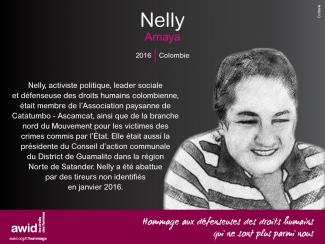
Nelly Amaya
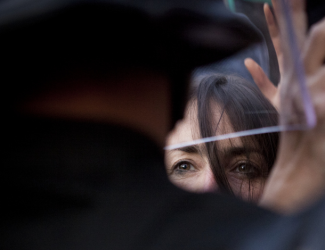
WHRDs are self-identified women and lesbian, bisexual, transgender, queer and intersex (LBTQI) people and others who defend rights and are subject to gender-specific risks and threats due to their human rights work and/or as a direct consequence of their gender identity or sexual orientation.
WHRDs are subject to systematic violence and discrimination due to their identities and unyielding struggles for rights, equality and justice.
The WHRD Program collaborates with international and regional partners as well as the AWID membership to raise awareness about these risks and threats, advocate for feminist and holistic measures of protection and safety, and actively promote a culture of self-care and collective well being in our movements.
WHRDs are exposed to the same types of risks that all other defenders who defend human rights, communities, and the environment face. However, they are also exposed to gender-based violence and gender-specific risks because they challenge existing gender norms within their communities and societies.
We work collaboratively with international and regional networks and our membership
We aim to contribute to a safer world for WHRDs, their families and communities. We believe that action for rights and justice should not put WHRDs at risk; it should be appreciated and celebrated.
Promoting collaboration and coordination among human rights and women’s rights organizations at the international level to strengthen responses concerning safety and wellbeing of WHRDs.
Supporting regional networks of WHRDs and their organizations, such as the Mesoamerican Initiative for WHRDs and the WHRD Middle East and North Africa Coalition, in promoting and strengthening collective action for protection - emphasizing the establishment of solidarity and protection networks, the promotion of self-care, and advocacy and mobilization for the safety of WHRDs;
Increasing the visibility and recognition of WHRDs and their struggles, as well as the risks that they encounter by documenting the attacks that they face, and researching, producing, and disseminating information on their struggles, strategies, and challenges:
Mobilizing urgent responses of international solidarity for WHRDs at risk through our international and regional networks, and our active membership.
AWID members will explore and critically evaluate the role that mutual aid can play in resourcing our movements, through collective collage making.
📅 Wednesday, November 12, 2025
📍 The People’s COP Space

Nous avons redoublé d’efforts pour préparer le 13e Forum de l’AWID ; nous avons consacré une grande partie de notre énergie au Programme de développement pour l’après-2015 et aux processus des Nations Unies relatifs au financement du développement. Nous avons poursuivi le travail de fond que nous menons dans nos domaines de prédilection.
En réaction, nous avons choisi de sortir de nos cloisonnements.
De plus en plus, et dans le monde entier, les mouvements de défense des droits des femmes s’allient avec d’autres mouvements pour exprimer la nature systémique et intersectionnelle des problèmes précédemment évoqués et d’autres problématiques.


محاضرة: في المحاضرة النقاشية، يتم استكشاف قضية أو تحد معين من وجهات نظر مختلفة، أو مشاركة علم أو تجربة، متبوعة بأسئلة الجمهور إذا سمح الوقت بذلك.
برنامج حواري: إجراء محادثة أكثر عفوية بأسلوب البرامج الحوارية. يمكن أن تكون البرامج الحوارية عبارة عن محادثة بين عدة أشخاص، ويتم تيسيرها بواسطة ميسّر/ة برنامج حواري. يمكن لأسئلة الجمهور أن تحدد اتجاه المحادثة.
نقاش: يمكن أن يتخذ النقاش شكل المقاهي العالمية، وأحواض السمك، وغيرها من المنهجيات التي تسهل المشاركة النشطة للمشاركين/ات في المحادثات. يعتبر شكل التقديم هذا تشاركي للغاية.
ورشة عمل: جلسات تفاعلية تدعو المشاركين/ات لبناء مهارات جديدة في جميع مجالات الحياة والنضال.
جلسة إستراتيجية: دعوة للتفكير في قضية أو استراتيجية بعمق مع الآخرين/ الأخريات. مساحة للتعلم من بعضنا البعض: ما الذي ينجح، وما الذي لا ينجح، وكيف يمكننا تطوير استراتيجيات جديدة وجماعية لخلق العوالم التي نحلم بها.
دائرة المشاركة (المعروفة أيضًا باسم "الطيور المتشابهة"): مثالية للمجموعات الصغيرة، في بيئة أكثر حميمية، للاستماع إلى بعضهم/ن البعض، وإثارة النقاش ومعالجة مواضيع محددة وحساسة ومعقدة بعناية.
الفنون – ورشة عمل تشاركية: أنشطة تشاركية تتضمن الفنون والتعبير الإبداعي. سواء من خلال الفن البصري أو المسرح أو الأفلام أو الجداريات أو الرقص أو الموسيقى أو الحرف الجماعية أو صناعة الفن، وما إلى ذلك، فإننا نرحب بجميع الأفكار التي تحتفي بالفن النسوي والإبداع كشكل من أشكال التغيير الاجتماعي والشفاء والتعبير والتحول.
الفنون - العروض والتركيبات والمعارض: نرحب بالمساهمات التي تقدم للمشاركين/ات في المنتدى تجارب ووجهات نظر جديدة وتوسع آفاقنا وتتحدانا وتلهمنا للتفكير والشعور والتنظيم بطرق جديدة.
الشفاء: أنشطة متنوعة مصممة خصيصًا للمجموعات والأفراد، بدءًا من تعلم تقنيات الاسترخاء إلى مناقشة الوقاية من الإحتراق النفسي، ومن ممارسات الرعاية الواعية للصدمات لجسمنا وعقولنا وأرواحنا إلى معالجة الخلافات داخل حركاتنا.

Lindiwe Rasekoala es una instructora de vida que se especializa en la intimidad y en orientación sobre el bienestar de las relaciones. Es una entusiasta de la salud sexual y contribuye con trabajos en línea. Por su propia experiencia y métodos no convencionales de investigación, cree que puede superar la brecha educativa y la falta de acceso a la información en torno al bienestar sexual. Colabora con varios programas de radio y televisión, y ha concluido una capacitación en orientación con Certified Coaches Alliance. La misión de Lindiwe es derribar las barreras que impiden el diálogo sobre el bienestar sexual y como medio de empoderamiento para sus clientes, de tal modo que puedan alcanzar una mayor autocomprensión y experimentar una vida y relaciones más saludables y holísticas.
Este año, junto con activistas feministas de todo el mundo, estaremos en la CSW68 en Nueva York .Estaremos presentes para desafiar las narrativas capitalistas y neoliberales y las falsas soluciones en torno a la pobreza, el desarrollo y la financiación. A través de eventos presenciales, transmisiones en vivo en nuestras redes sociales, un stand de exhibición y más. Nos presentamos para convocar, amplificar y apoyar las voces y la participación de nuestra membresía y aliades.
Conoce más sobre nuestro programa para este año a continuación.
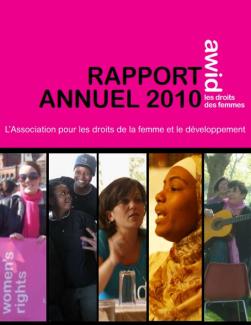
Notre rapport annuel 2010 souligne nos réalisations et l’impact de notre travail durant l'année.
Vous pouvez lire comment nous traduisons notre vision et mission en stratégies et en activités entreprises en collaboration avec les membres, partenaires et allié-e-s de l’AWID pour faire la promotion des droits des femmes et de l’égalité de genre à l’échelle mondiale.
Ce rapport comprend égalment des liens vers nos dernières publications.
لينديوي راسيكوالا مدربة حياتية، متخصصة في التدريب على العلاقات الحميمة. إنها متخصصة بالصحة الجنسية ولديها مساهمات في هذا الموضوع عبر الإنترنت. من خلال تجاربها الخاصة وأساليب البحث غير التقليدية التي تنتهجها، تعتقد لينديوي أنها تستطيع سد الفجوة التعليمية، فيما خص الصحة الجنسية وإشكالية الوصول إلى المعلومات حول الموضوع. لها العديد من المساهمات في البرامج الإذاعية والتلفزيونية، وقد أكملت تعليمها كمدرب مع تحالف المدربين المعتمدين CCA. تتمثل مهمة لينديوي في كسر الحواجز التي تحول دون قيام المحادثات حول الصحة الجنسية، وتمكين زملائها من تحقيق فهم أكبر لأنفسهم، حتى يتمكنوا من تجربة نمط حياة وعلاقات أكثر صحية وتكامليّة.
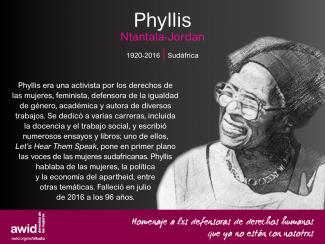
Lisez nos recherches sur le financement, sur les défenseuses des droits humains, sur la création de mouvements, sur les fondamentalismes, la justice économique et beaucoup plus

Mariam Mekiwi is a filmmaker and photographer from Alexandria and living and working in Berlin.
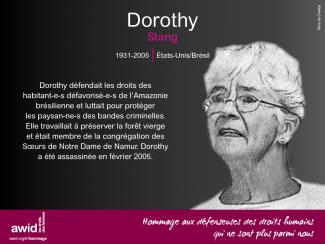
During Women Deliver, Movement Hubs in Fiji and Georgia are designing their own program rooted in their community to connect virtually to the Women Deliver Conference. Learn about their program!
Interested in hosting Movement Hubs for other global movement events and policy spaces? Get in touch with AWID’s Membership Team: membership@awid.org .
Margarita est une militante féministe et LGBTIQA d'Amérique latine. Elle est passionnée de transformation sociale et de bien-être collectif. Elle est titulaire de diplômes en psychologie, communication et en administration publique, ainsi que de certificats en politiques publiques, leadership, gestion et prise de décision. Durant son parcours professionnel, Margarita a acquis une vaste expérience auprès d'organisations de terrain, d'ONG nationales et régionales, d'universités et du secteur public, développant la facilitation, le renforcement des capacités, le plaidoyer politique, la communication et l'évaluation des politiques.