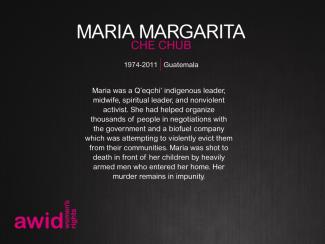
Maria Margarita Che Chub
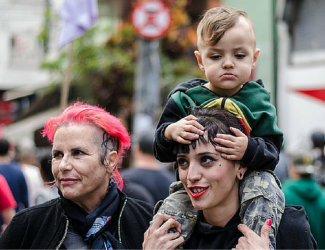
Over the past few years, a troubling new trend at the international human rights level is being observed, where discourses on ‘protecting the family’ are being employed to defend violations committed against family members, to bolster and justify impunity, and to restrict equal rights within and to family life.
The campaign to "Protect the Family" is driven by ultra-conservative efforts to impose "traditional" and patriarchal interpretations of the family, and to move rights out of the hands of family members and into the institution of ‘the family’.
Since 2014, a group of states have been operating as a bloc in human rights spaces under the name “Group of Friends of the Family”, and resolutions on “Protection of the Family” have been successfully passed every year since 2014.
This agenda has spread beyond the Human Rights Council. We have seen regressive language on “the family” being introduced at the Commission on the Status of Women, and attempts made to introduce it in negotiations on the Sustainable Development Goals.
AWID works with partners and allies to jointly resist “Protection of the Family” and other regressive agendas, and to uphold the universality of human rights.
In response to the increased influence of regressive actors in human rights spaces, AWID joined allies to form the Observatory on the Universality of Rights (OURs). OURs is a collaborative project that monitors, analyzes, and shares information on anti-rights initiatives like “Protection of the Family”.
Rights at Risk, the first OURs report, charts a map of the actors making up the global anti-rights lobby, identifies their key discourses and strategies, and the effect they are having on our human rights.
The report outlines “Protection of the Family” as an agenda that has fostered collaboration across a broad range of regressive actors at the UN. It describes it as: “a strategic framework that houses “multiple patriarchal and anti-rights positions, where the framework, in turn, aims to justify and institutionalize these positions.”
From the rising right in many countries and the flurry of funding cuts hitting hard civil society of the Global Majority, to the ongoing genocide in Gaza, the intensification of violent conflicts in Sudan, and climate crisis in many parts of our planet, we are facing real forces of fascism and a world order of impunity. This makes our opportunities to come together and build solidarity particularly valuable and imperative for our survival as a global feminist community. Of course, in 2024, the 15th AWID International Forum finally happened, and what a powerful space it was.
Download the full 2024 Annual Report
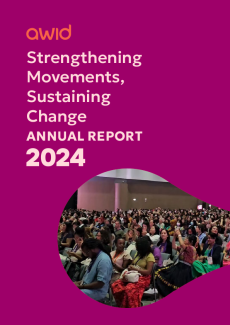
As we look ahead, we build on the powerful calls to action made by feminists at the AWID Forum; Together we can build a world where justice, liberation and care are not aspirations but realities.
La creciente dominación de los mercados y las instituciones financieras internacionales en la definición de las políticas económicas globales ha tenido como resultado la captura del poder popular en aras del interés de las élites y las grandes corporaciones globales.
Este informe «Flujos financieros ilícitos» analiza su desproporcionado impacto de género y los marcos legales y políticos actuales que permiten a las corporaciones multinacionales beneficiarse del fraude fiscal en detrimento de las personas y el planeta.
El informe concluye con siete recomendaciones feministas de políticas para exigir transparencia y rendición de cuentas por parte del poder corporativo para frenar los flujos financieros ilícitos.
Los flujos financieros ilícitos están llamando la atención como nunca antes: ya sea en negociaciones para el desarrollo, como los que condujeron a la Agenda 2030 y a la Conferencia sobre Financiamiento para el
Desarrollo de Addis Abeba en 2015, u ocupando los titulares de los medios hegemónicos con la publicación de documentos filtrados sobre finanzas offshore conocidos como los «Panama Papers». En otro ejemplo, en un
referendum de febrero de 2017, el pueblo ecuatoriano votó para prohibir que políticxs y funcionarixs públicxs posean acciones, compañías o capital en paraísos fiscales. El Gobierno de Ecuador es ahora, dentro del grupo
G-77, una de las voces principales que reclaman en las Naciones Unidas la creación de un organismo tributario global para poner fin a los paraísos fiscales.
Esta atención pública potencialmente da impulso para que lxs feministas, los movimientos sociales y lxs defensores de la justicia tributaria presionen por la transformación del sistema financiero internacional, donde
se arraigan desigualdades globales, incluidas las desigualdades de género.
Ofrecemos aquí siete pedidos de políticas como contribución a los crecientes esfuerzos de incidencia de actores por la justicia social, feministas, por los derechos de las mujeres y por la igualdad de género.
4. Promover la transparencia y la recolección de datos con perspectiva de género:
7. Poner fin a la impunidad de las actividades delictivas asociadas con los flujos financieros ilícitos y garantizar la rendición de cuentas:
نعم! نريد أن نسمع منكم/ن عن تجربتكم/ن بالتمويل.
Peni fue una filósofa feminista radical, poeta, escritora, dramaturga y compositora.
Como primera coordinadora del movimiento por los derechos de las mujeres de Fiji, dejó un legado atravesado por su profundo compromiso con los derechos humanos de las mujeres, la justicia y la paz. La dedicación de Peni a la justicia social, económica y ecológica y su sobresaliente trabajo le valieron el respeto local e internacional. Fue una de las primeras participantes de los movimientos feministas hegemónicos en Fiji en trabajar junto a las personas LGBTQI como una verdadera aliada y brindó asistencia práctica durante la creación del movimiento de trabajadorxs sexuales.
Sus colegas la describen como una persona formidable y una líder con visión para el cambio. Inspiró a muchxs con su creatividad y coraje. Su trabajo significó una plataforma para que las personas sean escuchadas, adquieran nuevas habilidades y abran nuevos caminos tanto personales como comunitarios.

Isabel est une féministe du Royaume-Uni avec plus d'une décennie d'expérience de réponses féministes aux fascismes, aux fondamentalismes et aux tendances antidroits. À l'AWID, son travail se concentre sur le renforcement des connaissances. Elle a notamment dirigé la production de la série Droits en danger en collaboration avec l'Observatoire sur l'universalité des droits (OUR). Elle est titulaire d’un master en études sur le genre de l’École d’études orientales et africaines (SOAS) et a précédemment travaillé avec Women Living Under Muslim Laws (WLUML). Elle est passionnée par le travail intermouvements, la construction de connaissances centrées sur les mouvements et l’utilisation de l’expression créative pour perturber les systèmes d’oppression. En dehors du travail, Isabel est active dans divers espaces de justice liée au handicap, aux soins collectifs, à l’apprentissage et au plaidoyer.
Meet the Solidarity Network, a health and service union mostly led by women. Emerging as a response to increasing precarity, severe underpayment and hostile work environments faced by workers in Georgia, Solidarity Network fights for dignified compensation and work places.
Its goal? To create a national worker’s democratic movement. To do so, it has been branching out, organizing and teaming up with other local and regional unions and slowly creating a network of unions and empowering women workers to become union leaders.
Its political approach is a holistic one. For Solidarity Network, labor rights issues are directly connected to broader national political and economic agendas and reforms. That’s why they are pushing for tax justice, women and LGBTQIA+ rights, and fighting against the dismantling of the Georgian welfare state.
The Solidarity Network is also part of Transnational Social Strike (TSS), a political platform and infrastructure inspired by migrant, women and essential worker organizing that works to build connections between labor movements across borders and nurture global solidarity.
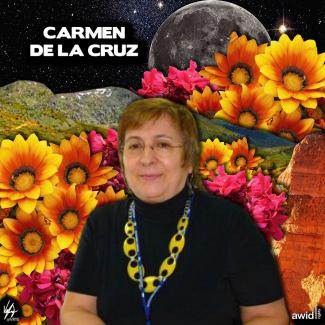
Carmen a consacré sa carrière à la défense des droits des femmes au sein de diverses ONG, ainsi qu’au sein des Nations Unies.
Elle a enseigné dans plusieurs universités espagnoles et latino-américaines et publié de nombreux articles et rapports sur les femmes, le genre et la paix dans les pays en développement. Ses écrits et ses réflexions critiques ont touché toute une génération de jeunes femmes.
Son dernier mandat auprès du centre régional du Programme des Nations Unies pour le développement (PNUD) de l'Amérique latine, fut comme responsable du département de mise en pratique des politiques de genre, lors duquel elle a soutenu de très précieuses initiatives en faveur de l'égalité de genre et des droits fondamentaux des femmes.

Margo Okazawa-Rey is an activist-educator and transnational feminist working on issues of militarism for nearly 30 years. She is a founder member of the International Women’s Network against Militarism and Women for Genuine Security, the US group of the Network. She has long-standing activist commitments with Du Re Bang/My Sisters Place in South Korea and Women’s Centre for Legal Aid and Counselling in Palestine. She also serves on the International Board of PeaceWomen Across the Globe in Bern, Switzerland and is President of the Board of Directors of Association for Women’s Rights in Development (AWID). Her foundational activist/life principle is that love is a radical act. She is also known as DJ MOR Love and Joy.
在您計劃將要在論壇上開展的活動時,請同時考慮如何為參加論壇提供資金支持。典型的費用支出包括:住宿、旅行、簽證、論壇註冊費等。
重要的是請注意,該論壇將有很多“開放空間”和學習、交流運動的機會,而正式會議的數量則少很多。(請參閱下面的“在籌款中如何描述我們的論壇”,以瞭解在您的宣傳中可使用的語言。)
首先聯繫您當前的資助者:最好的選擇始終是求助於當前的捐助者。
請確保提前準備:我們建議最晚在2020年初與這些資助方聯繫。許多支持女權組織的資助者為論壇旅行分配了一些預算。其他的資助方也可能將其囊括在續訂補助金中或包含在其他旅行基金裡。
如果貴組織有資助者,請告訴他們您想參加AWID論壇並學習、體驗、交流和建立網絡,即使您的活動還未被選中。為了能夠支持您的參與,您的捐助者需要提前了解此事,因此請立即告訴她們吧!(她們已經在決定將在2020年分配哪些資金)。
如果您目前沒有捐助者的支持或無法獲得論壇旅行的贈款,請考慮與新的捐助者聯繫。
各個資助方的申請截止日期和要求不盡相同,並且撥款審查過程可能需要數月的時間。如果您正在考慮申請新的資金,請盡快開始申請。
女權主義運動長期以來在資助我們自己的行動方面保持著創造力。以下是我們收集的一些想法,用於啟發不同的籌款方式:
想瞭解更多靈感,請參閱AWID正在進行的關於自主資源的系列文章,其中包括有關籌集參會資金的具體想法。(in English)
AWID正在努力使論壇成為一個真正的全球性聚會,保障來自不同運動、地區和年齡層的參會者都可以參與。鑑於此,AWID為參與者調集資源並提供有限數量的機會補助金,以幫助她們支付參加論壇的費用。
AWID的機會補助金將為部分論壇參與者和會議/活動的主持人提供支持。您可以在申請過程中指出是否要申請AWID機會補助金。我們無法保證您能否申請到,所以我們強烈建議您為自己參加會議和論壇尋求其他資助。
即使您已申請了AWID的機會補助金,我們仍鼓勵您繼續探索其他的選擇來資助您參加論壇。機會補助金的申請結果將在2020年6月結束之前得到確認。請記住,這些資源非常有限,我們無法為所有申請人提供支持。
當您與資助方或您自己的網絡聯繫時,這裡的一些示例信息可能會有所幫助。您可以隨時以對您有用的任何方式進行調整!
AWID論壇是一個聯合創建的女權運動空間,可激發參與者自身的行動積極性,並在多種權利和正義運動中加強與他人的聯繫。參與者可以從希望、能量和激進的想像力中汲取靈感,加深共享的分析和學習,建立跨領域的運動團結,以製定更加綜合的議程並推進聯合戰略。
我們的組織正在尋求資金參加論壇,以便與來自世界各地的其他活動家和運動聯繫在一起,加強我們的戰略並分享工作成果。我們受到過往參與者的啟發,她們描述了這場全球女權主義聚會的力量:
“在四天的時間裡……各種聲音交織在一起,形成了關於性別平等狀況的全球視角。當我說“全球”一詞時,我是指同時翻譯成七種不同的語言……”
“它提醒著我們,我們並不孤單。論壇提供了必要的途徑幫助我們將集體力量轉化為運動。無論是何種意識形態、身份或邊界,我們的力量都體現在我們的願景和對彼此的支持中。”
重要的是請注意,該論壇將有很多“開放空間”和學習、交流運動的機會,而正式會議的數量則少很多。儘管很多與會者不會參加正式的會議,但仍有寶貴的空間來學習、制定戰略和體驗女權運動在行動中的集體力量。
在計算花費以及思考需要募集多少款項時,最重要的是要考慮可能出現的成本。以下是要考慮的關鍵項目支出的示例:
該論壇不僅僅是一個四天的會議。它更為女權主義現實實踐的運動增強之旅提供了另一個驛站,該旅程早已開始也將在論壇結束後繼續。
Sim, é acessível para pessoas com uma variedade diversificada de capacidades auditivas, de movimento, visuais e cognitivas.
Al unirte a AWID, te sumas a un proceso organizativo feminista mundial, un poder colectivo surgido del trabajo entre movimientos y basado en la solidaridad.
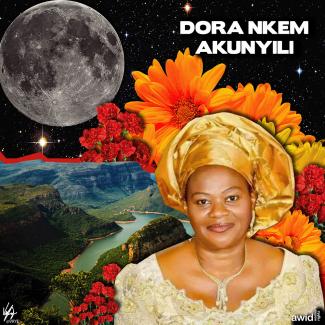
Dora was born in Benue State, Nigeria. She was a globally acclaimed pharmacist, technocrat, erudite scholar and community leader.
Dora’s revolutionary work created a paradigm shift in the Nigerian public service when she served as Director General of National Agency for Food and Drugs Administration and Control (NAFDAC) from 2001-2008. She spearheaded reforms in policy and regulatory enforcement that radically reduced the measure of fake drugs that plagued the Nigerian pharmaceutical sector during her tenure.
Having exemplified the reality of a courageous, competent woman who challenged the ills of a dominantly patriarchal society and drove change, she became an icon for women’s empowerment. She was appointed the Minister of Information and Communication between 2008 and 2010.
She died after a battle with cancer and is survived by her husband, six children and three grandchildren.