Confronting Extractivism & Corporate Power

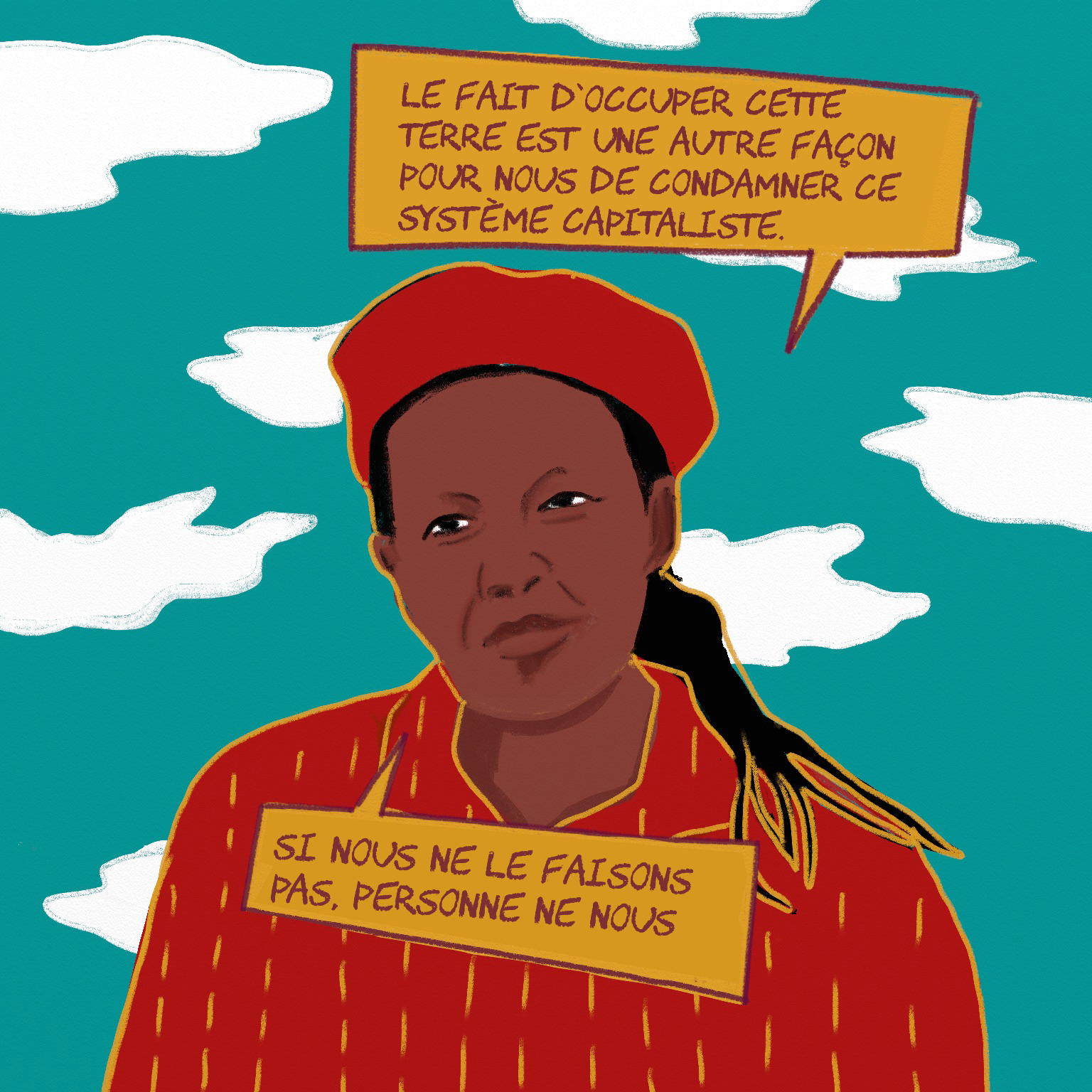
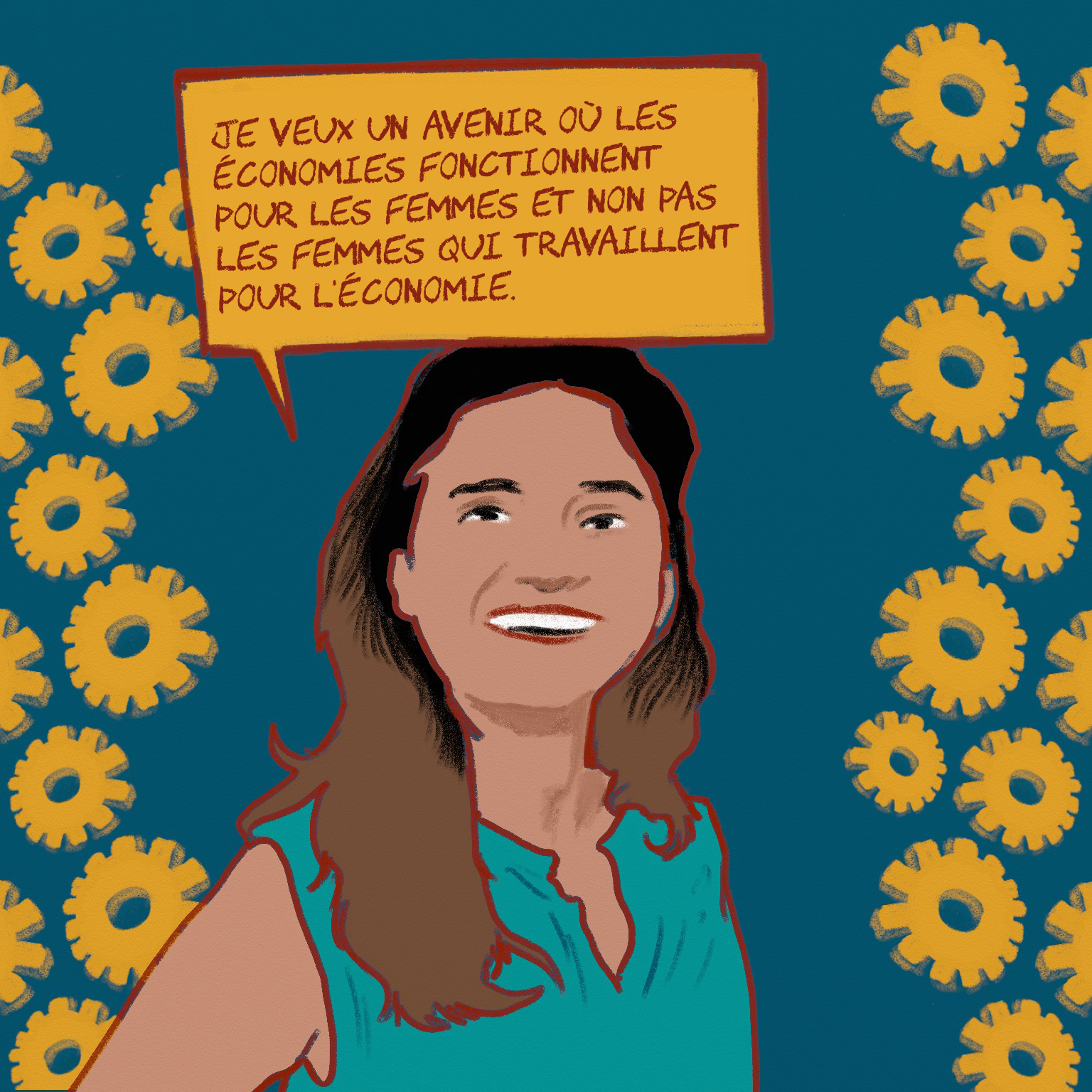
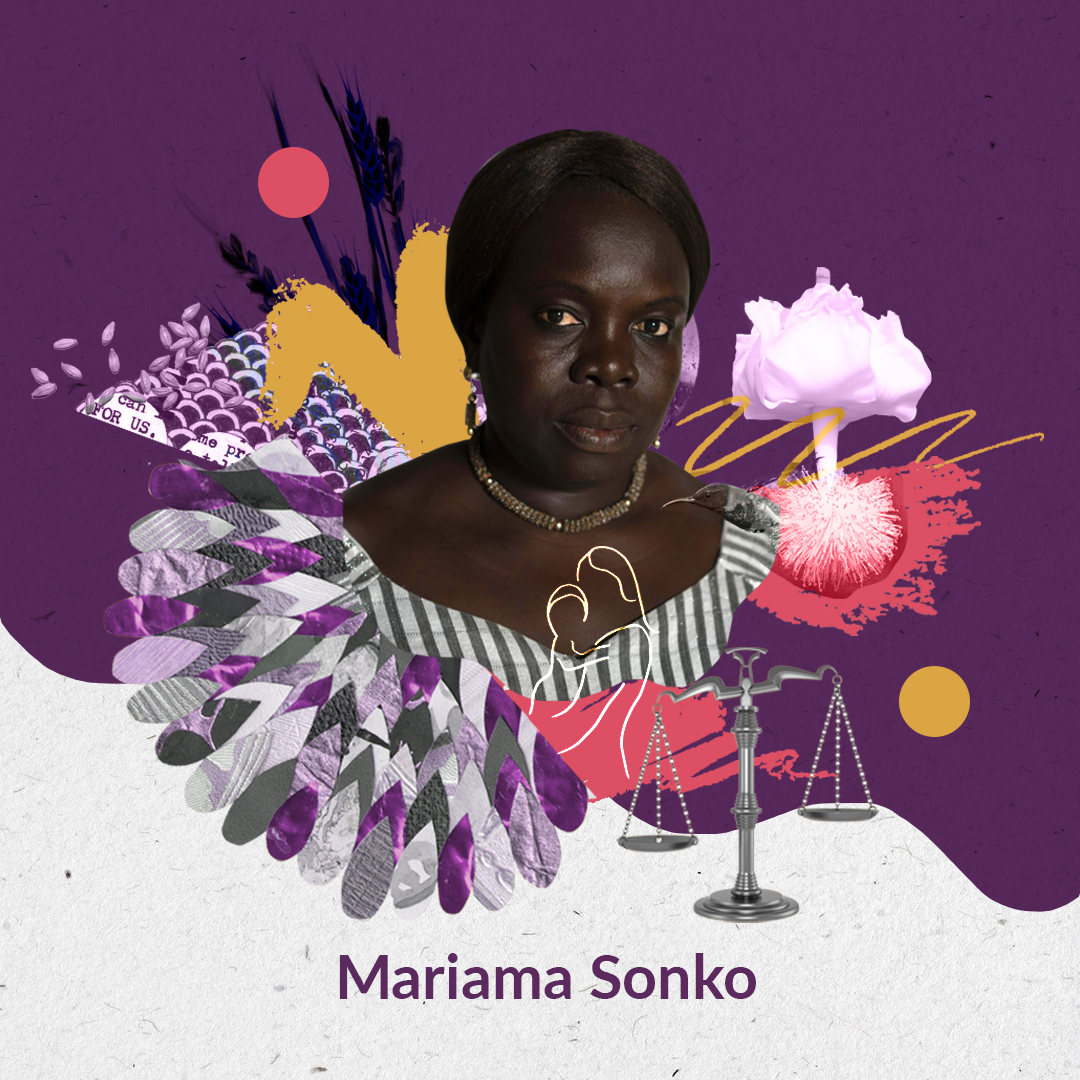
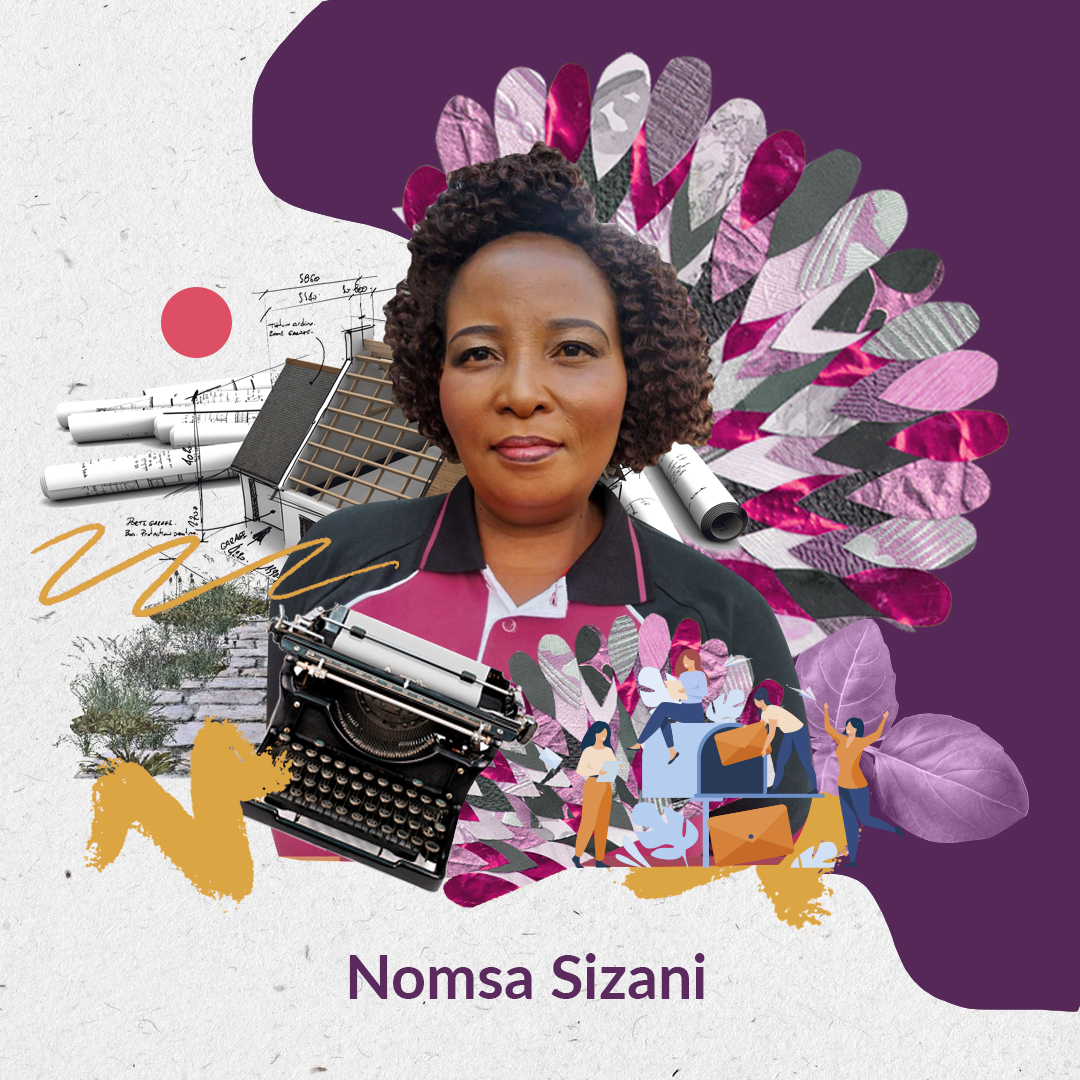
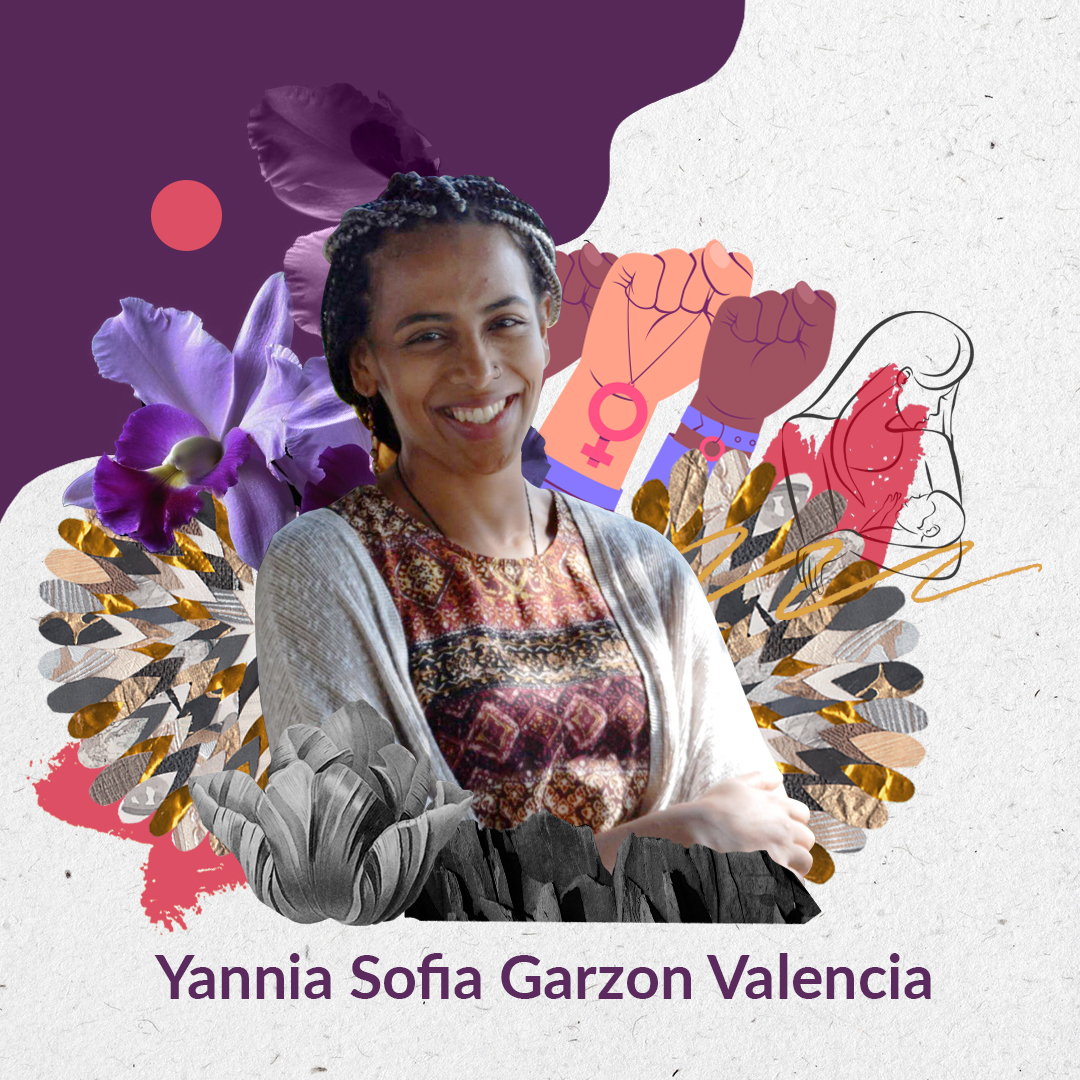
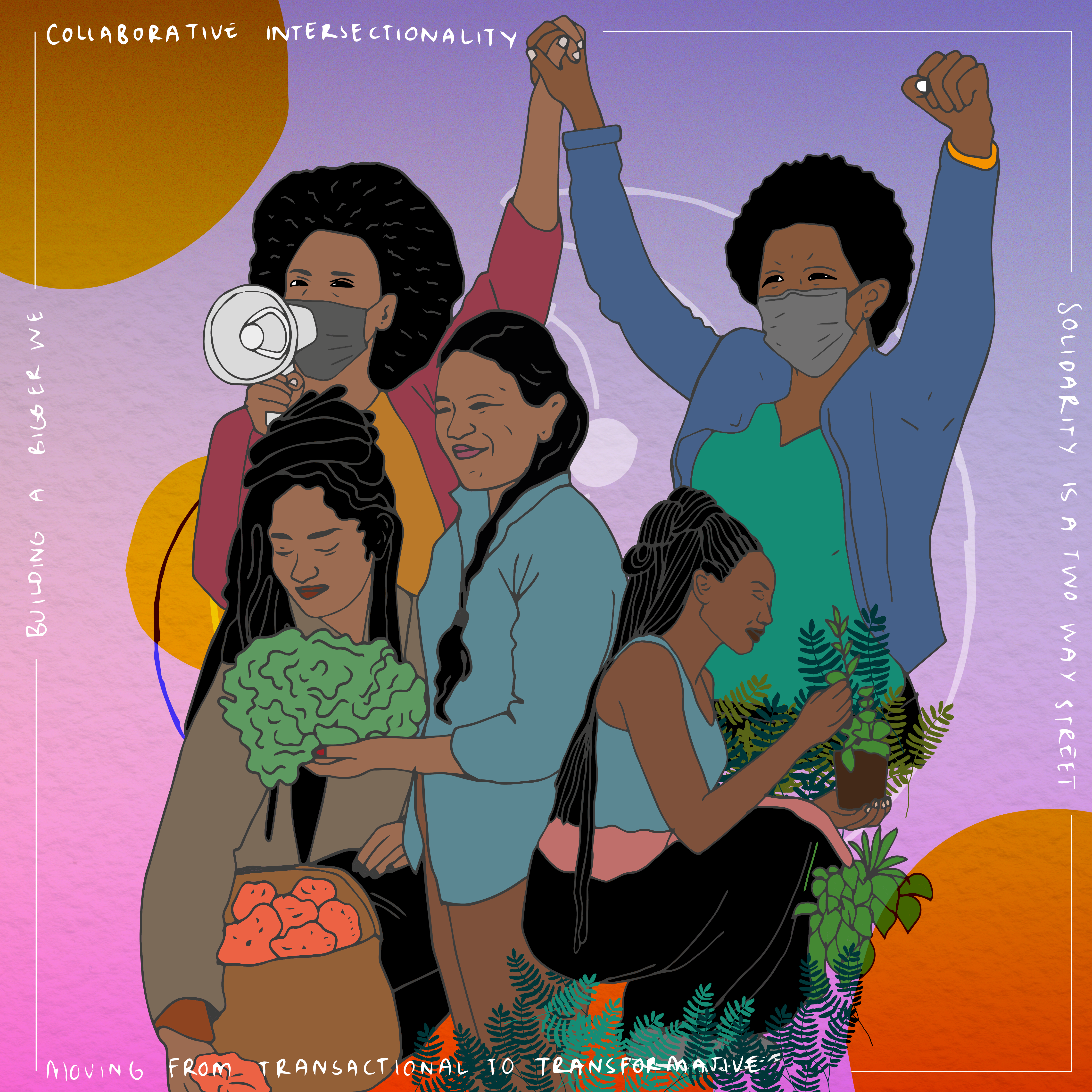
Women human rights defenders (WHRDs) worldwide defend their lands, livelihoods and communities from extractive industries and corporate power. They stand against powerful economic and political interests driving land theft, displacement of communities, loss of livelihoods, and environmental degradation.


Why resist extractive industries?

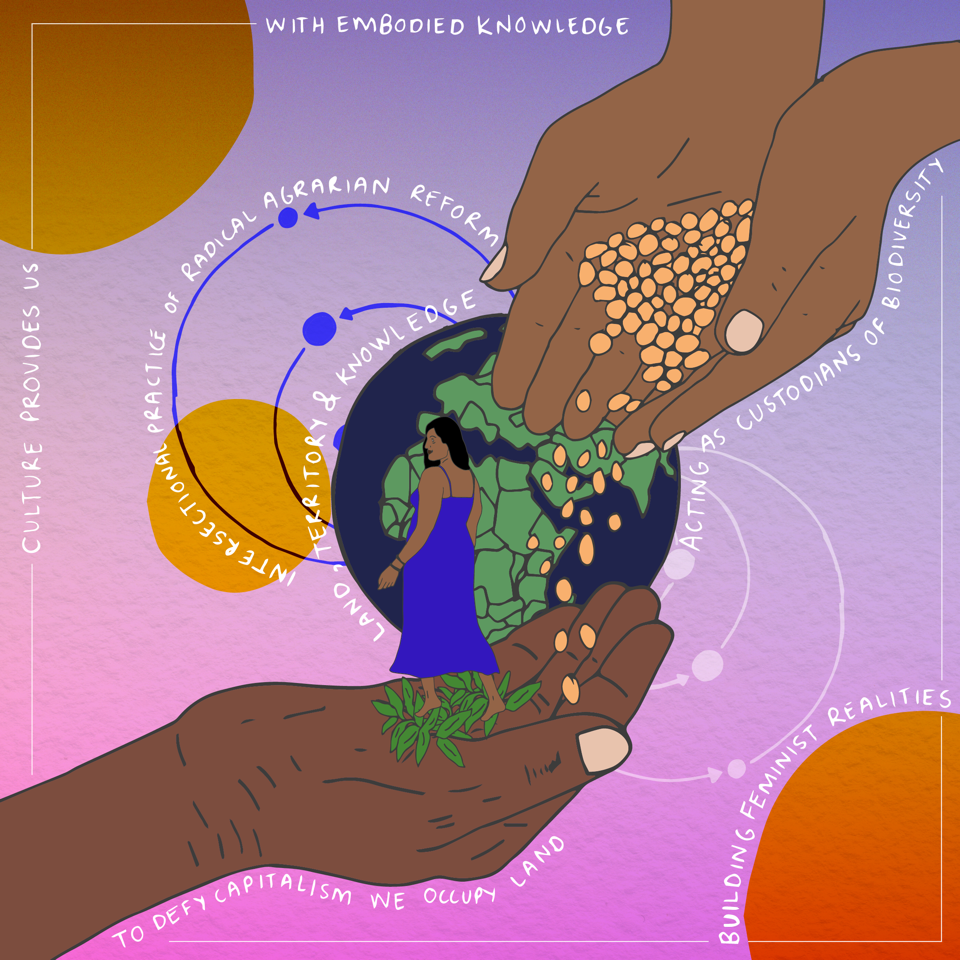
Extractivism is an economic and political model of development that commodifies nature and prioritizes profit over human rights and the environment. Rooted in colonial history, it reinforces social and economic inequalities locally and globally. Often, Black, rural and Indigenous women are the most affected by extractivism, and are largely excluded from decision-making. Defying these patriarchal and neo-colonial forces, women rise in defense of rights, lands, people and nature.

Critical risks and gender-specific violence

WHRDs confronting extractive industries experience a range of risks, threats and violations, including criminalization, stigmatization, violence and intimidation.  Their stories reveal a strong aspect of gendered and sexualized violence. Perpetrators include state and local authorities, corporations, police, military, paramilitary and private security forces, and at times their own communities.

Acting together

AWID and the Women Human Rights Defenders International Coalition (WHRD-IC) are pleased to announce “Women Human Rights Defenders Confronting Extractivism and Corporate Power”; a cross-regional research project documenting the lived experiences of WHRDs from Asia, Africa and Latin America.

We encourage activists, members of social movements, organized civil society, donors and policy makers to read and use these products for advocacy, education and inspiration.

Share your experience and questions!

Tell us how you are using the resources on WHRDs Confronting extractivism and corporate power.

◾️ How can these resources support your activism and advocacy?

◾️ What additional information or knowledge do you need to make the best use of these resources?

Share your feedback


Thank you!

AWID acknowledges with gratitude the invaluable input of every Woman Human Rights Defender who participated in this project. This project was made possible thanks to your willingness to generously and openly share your experiences and learnings. Your courage, creativity and resilience is an inspiration for us all. Thank you!

Related Content

CFA FAQ - Travelling to Bangkok - Thai

การเดินทางไปยังกรุงเทพมหานคร

Andaiye

Andaiye in Swahili means ‘a daughter comes home’. Born Sandra Williams on 11 September 1942 in Georgetown, Guyana, she changed her name to ‘Andaiye’ in 1970 as the Black Power movements swept her country and the wider Caribbean region. 

Andaiye was seen as a transformative figure on the frontlines of the struggles for liberation and freedom. She was an early member and active in the leadership of the Working People’s Alliance (WPA), a socialist party in Guyana which fought against authoritarian rule and continued throughout her life to focus on justice for the working-class and rural women’s rights and on bridging ethnic barriers between Indo and Afro-Guyanese women. 

Andaiye was a founding member of Red Thread Women, an organization that advocated for women’s care work to be fairly remunerated, worked at the University of the West Indies and with CARICOM. Never afraid to challenge governments, she pointed out gender imbalances in state boards, laws that discriminated against sex workers, called for abortion rights in Jamaica and spoke out against trade agreements such as the Caribbean Single Market and Economy (CSME) that allowed for the free movement of women domestic migrant workers but did not give their children the same rights.  

Andaiye published several scholarly essays, wrote newspaper columns and also edited the last books of Walter Rodney, the Guyanese political activist and fellow WPA leader, who was assassinated in 1980. A cancer survivor, Andaiye was one of the founders of the Guyana Cancer Society and the Cancer Survivors’ Action Group. She also served on the executive of the Caribbean Association for Feminist Research and Action (CAFRA), as a Director of Help and Shelter and as Board Member of the Guyana National Commission on Women. She received a number of awards, including the Golden Arrow of Achievement in Guyana (the fourth highest national award).

Andaiye passed away on 31 May 2019 at the age of 77. The subsequent tributes that flowed in from activists, friends and those inspired by her life spoke eloquently to her amazing legacy and her beautiful humanity.

Here are but a few: 

“Andaiye had a profound effect on me...she was so many things, an educator, fighter, she taught me to be self-critical, to think more clearly, she taught me about survival, about incredible courage, about compassion, about going beyond external appearances and treating people as people and not being distracted by status, class, race...anything.”
- Peggy Antrobus, Feminist Activist, Author, Scholar, Barbados

“The kind of confident idealism Andaiye expressed, this willingness to confront the world and a stubborn belief that you could actually change it... That politics of hope...How else to honour her life, legacy and memory but to keep doing the work ethically and with ongoing self-critique? And to put women’s caring work at the center of it.”
- Tonya Haynes, Barbados

“I can hear her quip at our collective keening. So through the tears I can laugh. Deep bows to you beloved Andaiye, thank you for everything. Love and light for your spirit’s journey. Tell Walter and all the ancestors howdy.” - Carol Narcisse, Jamaica

Read more tributes to Andaiye

Snippet "un"Inclusive Feminism_Fest (EN)

"un"Inclusive Feminism:
The voiceless girls in the Haitian feminist movement

Naike Ledan
Semi Kaefra Alisha Fermond, Trans Rights Activist ACIFVH
Natalie Desrosiers
Fédorah Pierre-Louis

watch panel

divider

2005: se celebra el segundo Diálogo de Alto Nivel

Segundo Diálogo de Alto Nivel sobre la Financiación para el Desarrollo

Las naciones ‘en desarrollo’ exhortaron a que se tuvieran en cuenta los desafíos globales así como las necesidades y posibilidades locales en la interacción con diferentes grupos (mujeres, jóvenes, personas con discapacidad, etc.) para abordar las temáticas identificadas en el Consenso de Monterrey.

ماذا عن العدالة المناخية، هل هذا حقًا هو الوقت المناسب للعديد من الرحلات الجوية الدولية؟

ونحن نسأل أنفسنا نفس السؤال، ونعتقد أنه لا توجد إجابات بسيطة. بالنسبة للعديد من المشاركين/ات، قد يكون منتدى جمعية حقوق المرأة في التنمية (AWID) أحد الرحلات الدولية القليلة التي يقومون بها في حياتهم/ن. علمتنا الجائحة الإمكانيات والقيود التي تفرضها المساحات الافتراضية لبناء الحركة: لا يوجد شيء أفضل من الاتصال الشخصي. تحتاج الحركات إلى التواصل عبر الحدود لبناء قوتنا الجماعية في مواجهة التهديدات التي نواجهها، ولا سيما أزمة المناخ. نعتقد أن منتدى حقوق المرأة في التنمية القادم يمكن أن يكون مساحة استراتيجية لعقد هذه المحادثات واستكشاف بدائل للسفر الدولي. ويشكل العنصر المختلط للمنتدى جزءًا مهمًا من هذا الاستكشاف.

Paula Andrea Rosero Ordóñez

"[Ella] era una persona que se caracterizaba por su arduo trabajo a favor de la defensa de los derechos humanos y la construcción de la paz en Nariño, especialmente en el municipio de Samaniego-Nariño". - Jorge Luis Congacha Yunda para Página10.

Paula Andrea Rosero Ordóñez fue abogada de primera instancia en la oficina del Ministerio Público en Samaniego, Nariño, la principal agencia de defensa de los derechos de la ciudadanía en Colombia.

Paula se  especializó en los derechos civiles y políticos, las  problemáticas de la impunidad y la justicia, y contribuyó a descubrir abusos de poder, incluida la corrupción. Paula participó también en proyectos para la consolidación de la paz en su ciudad natal, Samaniego, a través del Consejo Municipal de Paz y la Junta Municipal de Mujeres.

Paula recibió amenazas de muerte tras exponer el manejo irregular de los recursos y de denunciar actos de corrupción en el Hospital Lorencita Villegas del municipio nariñense. Fue asesinada el 20 de mayo de 2019, cuando dos hombres se acercaron y le dispararon a corta distancia. 

Snippet Festival In Review - Presentation (ES)

Crear | Résister | Transform: ¡un festival de movimientos feministas!

¿Quieres inspirarte con las estrategias de resistencia creativas de feministas de todo el mundo? ¿Quieres descubrir iniciativas feministas que nos muestran las maneras en que todxs podemos vivir en un mundo más justo? ¿Quieres aprender sobre modelos de cuidado y sanación feministas para aplicarlos en tu propia comunidad?¿Eso que escuchamos es un estruendoso sí? ¡SÍ!

Entonces explora Crear | Résister | Transform: un festival de movimientos feministas. Este festival se llevó a cabo en línea durante todo el mes de septiembre de 2021 en todas las plataformas de AWID, y ahora puedes experimentarlo en tu propio tiempo.

Las sesiones a continuación son para ti y todas lxs increíbles activistas feministas y por la justicia social que conoces. Unámonos para compartir nuestras estrategias de resistencia, co-crear magia feminista y transformar este mundo juntxs.

El Festival fue una experiencia multicultural y multilingüe.

Lxs expositorxs participaron en su idioma de preferencia y en AWID incluimos subtítulos en los videos para tu accesibilidad.

2011: le cinquième Dialogue de haut niveau lance les discussions sur l´agenda de développement de l´après-2015

Le cinquième Dialogue de haut niveau sur le financement du développement, organisé les 7 et 8 décembre 2011, a marqué le début des discussions relatives au programme de développement de l’après-2015 et aux liens entre ce programme et le financement du développement. La conférence a accordé une attention particulière à la question de l’accroissement de l’aide au financement des OMD. Dans ses observations finales, le Secrétaire général a appelé les membres à commencer à réfléchir sur le cadre de développement de l’après-2015.

Snippet - CSW68 - March 11 - EN

Day 1

11th March

Carol Thomas

Carol Thomas était une pionnière de la défense des droits sexuels et reproductifs des femmes en Afrique du Sud. Gynécologue aguerrie et fondatrice du WomenSpace, elle pratiquait et promouvait des modes de prestation de soins aux femmes non traditionnels, en proposant des soins à la fois de haute qualité, empathiques et accessibles.

« Elle inscrivait cela non seulement dans la joie de la grossesse et des nouveaux bébés, mais également dans les angoisses de la stérilité, des accouchements prématurés et des cancers féminins et dans le déchirement des fausses couches et des mortinaissances. » -Helen Moffett

Carol fonctionnait selon de nouveaux paradigmes, mettant au centre de sa pratique les besoins des femmes ayant le moins d’accès aux services et aux droits dans la société :

« L’environnement socioéconomique dans lequel nous nous trouvons majoritairement implique que les femmes supportent un fardeau disproportionné de maladies et du chômage... En tant que femme noire précédemment désavantagée, je comprends très bien ce qui se passe dans nos communautés. » - Carol Thomas

Son entreprise sociale innovante «iMobiMaMa», s’étant mérité de nombreux prix, prend appui sur les kiosques de téléphonie mobile et la technologie interactive pour connecter directement les femmes avec les services, l’information et le soutien en soins prénataux et de santé sexuelle dans les communautés de toute l’Afrique du Sud.

Carol soutenait les femmes à la fois lors des grossesses désirées et non désirées, et a encadré de nombreux·ses infirmier·ère·s et médecins au cours de sa vie.

On la décrivait également comme la gynécologue chez qui se rendre « pour les trans qui souhaitaient des soins trans affirmatifs. Elle savait y faire lorsque tant d’autres butaient sur les pronoms ou les mots à employer. Ses couvertures chaudes, son écoute attentive et ses mots qui tombaient toujours justes étaient vraiment réconfortants. » - Marion Lynn Stevens

On disait de Carol Thomas qu’elle était au point culminant de sa carrière lorsqu’elle est décédée, le 12 avril 2019, des complications d’une double transplantation pulmonaire.

Les très nombreux hommages qui lui ont été rendus suite à son décès inattendu faisaient mention qu’elle était, entre autres :

« un modèle à suivre, une guerrière, une innovatrice, une leader dynamique, une rebelle, une boule d’énergie, une brillante scientifique, une doctoresse bienveillante ».

Nul doute que Carol Thomas restera dans nos mémoires et que nous lui rendrons hommage pour avoir été tout cela, et bien plus.

Snippet Relive the Festival_Fest (ES)

Revive el Festival

May 2015: Consultations on the Draft Outcome document are held

Additional consultation sessions on the Draft Outcome Document

  • On 7 May, the revised outcome document for the 3rd FfD conference in Addis was released by the co-facilitators
  • In support of continued progress on the Outcome Document, ad hoc additional sessions for consultations on the Draft Outcome Document took place from 12-15 May 2015 and 26-29 May 2015 at UN headquarters in New York

Snippet - CSW68 - Feminist Community Evening - EN

🎤AWID's Feminist Community Evening

a gathering for feminist activists attending CSW68

(with special guests!)

📅Tuesday, March 12
🕒6-9.30pm EST

🏢 Blue Gallery, 222 E 46th St, New York

RSVP required

Janet Benshoof

Janet Benshoof was a human rights lawyer from the United States and an advocate for women’s equality, sexual and reproductive rights.

She campaigned to broaden access to contraceptives and abortions across the world, and battled anti-abortion rulings and in the American territory of Guam. She was arrested in 1990 for opposing her country’s most restrictive abortion law, but won an injunction at the local court in Guam that blocked the law and eventually won at the Ninth Circuit Court of Appeals, striking down the law for good.

“The women in Guam are in a very tragic situation. I never intend to be quiet about that.” - Janet Benshoof for People Magazine

Janet established landmark legal precedents including the US Food and Drug Administrations’ approval of emergency contraception, as well as the application of international law to ensure the rights of rape victims in the Iraqi High Tribunal’s prosecution of Saddam-era war crimes. 

Janet was President and founder of the Global Justice Center, as well as founder of the Center for Reproductive Rights, the world’s first international human rights organization focused on reproductive choice and equality. She served 15 years as Director of the American Civil Liberties Union’s Reproductive Rights Project, where she spearheaded litigation shaping US constitutional law on gender equality, free speech, and reproductive rights.

“Janet was known for her brilliant legal mind, her sharp sense of humor, and for her courage in the face of injustice.” - Anthony D. Romero

Named one of the “100 Most Influential Lawyers in America” by the National Law Journal, Janet was the recipient of numerous awards and honors. 

She was born in May 1947 and passed away in December 2017. 

Snippet Love Letters from our Co-EDs and the Board (FR)

Lettres d'amour de notre Conseil d'Administration et des nos codirectrices exécutives

¿Cómo involucrarse?

Otros enlaces importantes para mantenerse informada/o: