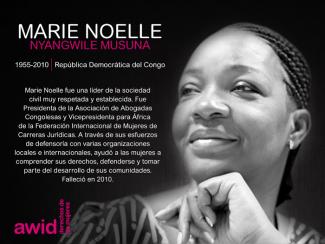
Marie Noelle Nyangwile Musuna
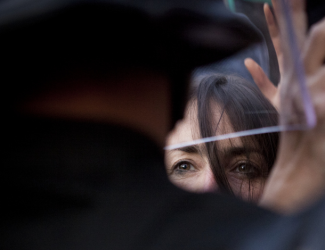
WHRDs are self-identified women and lesbian, bisexual, transgender, queer and intersex (LBTQI) people and others who defend rights and are subject to gender-specific risks and threats due to their human rights work and/or as a direct consequence of their gender identity or sexual orientation.
WHRDs are subject to systematic violence and discrimination due to their identities and unyielding struggles for rights, equality and justice.
The WHRD Program collaborates with international and regional partners as well as the AWID membership to raise awareness about these risks and threats, advocate for feminist and holistic measures of protection and safety, and actively promote a culture of self-care and collective well being in our movements.
WHRDs are exposed to the same types of risks that all other defenders who defend human rights, communities, and the environment face. However, they are also exposed to gender-based violence and gender-specific risks because they challenge existing gender norms within their communities and societies.
We work collaboratively with international and regional networks and our membership
We aim to contribute to a safer world for WHRDs, their families and communities. We believe that action for rights and justice should not put WHRDs at risk; it should be appreciated and celebrated.
Promoting collaboration and coordination among human rights and women’s rights organizations at the international level to strengthen responses concerning safety and wellbeing of WHRDs.
Supporting regional networks of WHRDs and their organizations, such as the Mesoamerican Initiative for WHRDs and the WHRD Middle East and North Africa Coalition, in promoting and strengthening collective action for protection - emphasizing the establishment of solidarity and protection networks, the promotion of self-care, and advocacy and mobilization for the safety of WHRDs;
Increasing the visibility and recognition of WHRDs and their struggles, as well as the risks that they encounter by documenting the attacks that they face, and researching, producing, and disseminating information on their struggles, strategies, and challenges:
Mobilizing urgent responses of international solidarity for WHRDs at risk through our international and regional networks, and our active membership.
AWID agradece a las numerosas personas cuyos análisis, ideas y contribuciones han dado forma a la investigación y las acciones de promoción de "¿Dónde está el dinero para las organizaciones feministas?" a lo largo de los años.
Ante todo, vaya nuestro agradecimiento más profundo a lxs afiliadxs y activistas de AWID que participaron en las consultas de ¿Dónde está el dinero? y ensayaron esta encuesta con nosotrxs, y que compartieron su tiempo, sus análisis y el corazón con tanta generosidad.
Expresamos nuestra gratitud a los movimientos, aliados y fondos feministas, entre otros, a Black Feminist Fund, Pacific Feminist Fund, ASTRAEA Lesbian Foundation for Justice, FRIDA Young Feminist Fund, Purposeful, Kosovo Women’s Network, Human Rights Funders Network, Dalan Fund y PROSPERA por su rigurosa investigación sobre el estado de la dotación de recursos, sus agudos análisis y promoción sostenida para más y mejor financiamiento y poder para las organizaciones feministas y por la justicia de género en todos los contextos.
The call for session proposal is now closed.
We launched a Call for Activities on November 19 2019 and the last date to receive proposals was February 14, 2020.
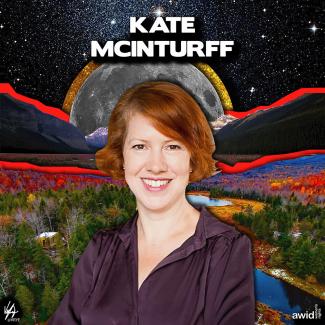
Desde su paso por Peacebuild hasta la Canadian Feminist Alliance for International Action [alianza feminista canadiense para la acción internacional], Amnistía Internacional y el Canadian Centre for Policy Alternatives (CCPA, centro canadiense para las alternativas políticas), Kate tuvo durante toda su vida una pasión por los derechos de las mujeres y la igualdad de género y dedicó su carrera a luchar contra la desigualdad y a hacer del mundo un lugar más compasivo.
Fue integrante del Comité Coordinador de Social Watch [observatorio social] y colaboró con los informes del Observatorio Social Nacional canadiense. Como investigadora senior en el CCPA, Kate fue aclamada a nivel nacional por hacer la investigación, escribir y producir el informe anual «Los mejores y los peores lugares para ser mujer en Canadá».
Murió tranquilamente, rodeada de su familia, luego de una batalla de tres años con el cáncer de colon. Sus seres queridos la describen como «una feminista divertida, valiente y sin remordimientos».
 |
 |
 |
 |
 |
 |
 |
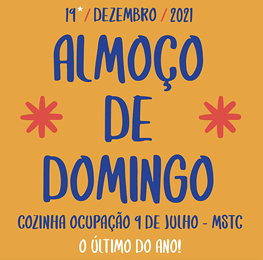 |
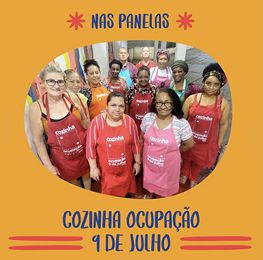
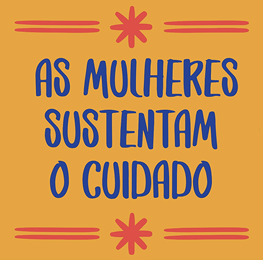
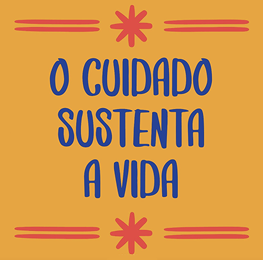
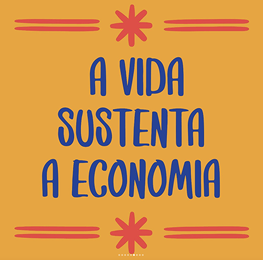
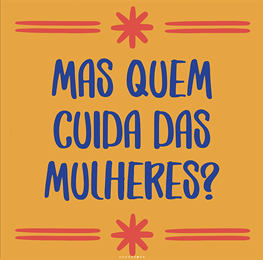
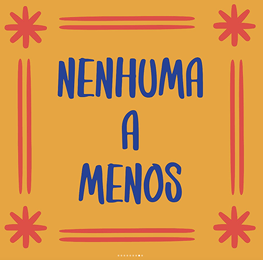
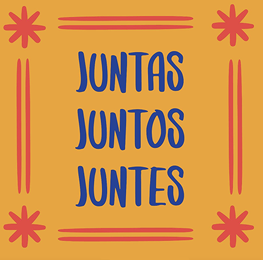
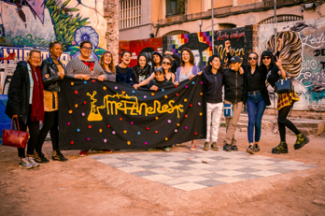
Las Mujeres Sostienen el Cuidado | El Cuidado Sostiene la Vida | La vida Sostiene la Economía | ¿Quién Cuida a las Mujeres? | Ni Una Menos1 | Juntas, Juntos, Juntes | Almuerzo de Domingo
1Nenhuna a menos se traduce literalmente como "ni una menos" en español, un eslogan feminista famoso en América Latina que surgió en Argentina como respuesta a la creciente violencia de género.
Absolutamente; deseamos saber de ustedes y su experiencia con la obtención de recursos.
We will announce this soon. Stay tuned!
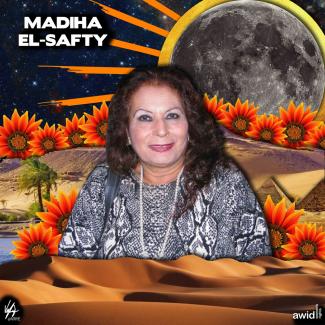
Madiha était une éminente professeure de sociologie qui s’est activement engagée auprès de la société civile en tant que défenseure des droits des femmes dans les pays arabes.
Elle a présidé l'Alliance pour les femmes arabes et a été membre du Comité sur la société civile et du Comité sur le développement du gouvernorat de Minia auprès du Conseil national pour les femmes. Elle a publié de nombreux articles qui ont éclairé et analysé les inégalités de genre et la discrimination à l'égard des femmes.
Ses collègues, étudiant-e-s et ami-e-s se souviennent d'elle avec tendresse.
 |
Droits humains et ethno-territoriaux Assurer la défense des droits humains et des droits de la Nature par la construction d'alliances avec des acteur·rices et organisations locales, nationales, régionales et mondiales. |
 |
Développement Durable Garantir que toutes les activités économiques, culturelles et environnementales contribuent au développement durable, à la sécurité alimentaire et à la génération de revenus, dans le respect de l'autodétermination et de l'autonomie gouvernementale des communautés afro-descendantes. |
 |
Education and training Former les femmes et leur donner les moyens d'exercer la défense de leurs droits dans différents espaces politiques, sociaux et économiques. Pour plus d'informations, cliquez ici! |
Le financement extérieur inclut les subventions et autres formes de financement de la part de fondations philanthropiques, de gouvernements, de financeurs bilatéraux, multilatéraux ou d’entreprise et de donateur·rices individuel·les, qu’elles et ils soient de votre pays ou de l’étranger. Il exclut les ressources que les groupes, organisations et/ou mouvements génèrent de manière autonome (ressource en anglais), telles que les cotisations d’adhésion, contributions volontaires du personnel, de membres et/ou de soutiens, les collectes de fonds communautaires, les locations de salles et ventes de services. Les définitions des différents types de financement, ainsi que de courtes descriptions des différents bailleurs de fonds, sont incluses dans l’enquête pour une meilleure compréhension.
No, you don't have to be an AWID member to participate but AWID members receive a discounted registration fee as well as a number of other benefits.

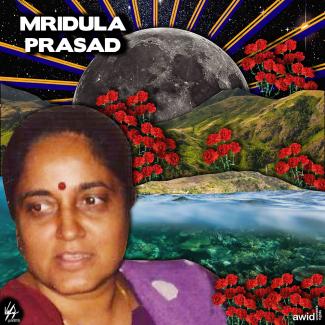
Mridula was a strong advocate for the advancement for women’s health at a time when the topic of women’s sexual and reproductive health were considered taboo in Fiji.
The initial works of the Fiji Women’s Rights Movement about sexual and reproductive rights were under her guidance, and in September 1999, the United Nations Population Fund presented her with a regional award for Reproductive Health and Rights. Mridula was a strong, dedicated and tireless campaigner who was passionate about women’s health and empowerment.
She was a valued member of the women’s and feminist movement in Fiji and her contributions will always be remembered. Mridula passed away due to natural causes in 2017.
 |
 |
 |
 |
 |
Yes, the survey is accessible to people with a diverse range of hearing, movement, sight, and cognitive abilities.
For additional questions, please use our contact form, and select “14th AWID Forum" from the dropdown menu.

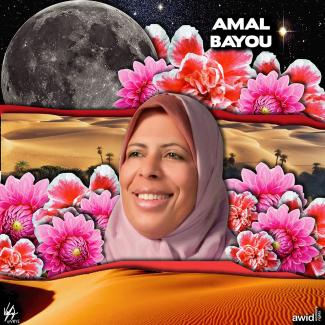
Amal fue una destacada política y parlamentaria de Libia.
Fue docente de la Universidad de Benghazi desde 1995 hasta su muerte, en 2017. Amal fue activista de la sociedad civil e integrante de varias iniciativas sociales y políticas. Asistió a las familias de lxs mártires y de lxs desaparecidxs y fue una de lxs fundadorxs de una iniciativa juvenil llamada «Juventud de Benghazi Libia».
En las elecciones parlamentarias de 2014, Amal fue elegida para la Cámara de Representantes con más de 14.000 votos (el mayor número de votos recibido por unx candidatx en las elecciones de 2014). Permanecerá en la memoria de muchxs como una mujer que actuó en política para garantizar un futuro mejor en uno de los contextos de la región más difíciles y afectados por los conflictos.
Siga el trabajo de estos colectivos en sus cuentas de redes sociales y sitios internet: