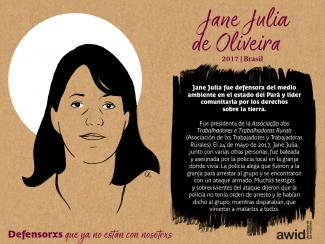
Jane Julia de Oliveira

WHRDs are self-identified women and lesbian, bisexual, transgender, queer and intersex (LBTQI) people and others who defend rights and are subject to gender-specific risks and threats due to their human rights work and/or as a direct consequence of their gender identity or sexual orientation.
WHRDs are subject to systematic violence and discrimination due to their identities and unyielding struggles for rights, equality and justice.
The WHRD Program collaborates with international and regional partners as well as the AWID membership to raise awareness about these risks and threats, advocate for feminist and holistic measures of protection and safety, and actively promote a culture of self-care and collective well being in our movements.
WHRDs are exposed to the same types of risks that all other defenders who defend human rights, communities, and the environment face. However, they are also exposed to gender-based violence and gender-specific risks because they challenge existing gender norms within their communities and societies.
We work collaboratively with international and regional networks and our membership
We aim to contribute to a safer world for WHRDs, their families and communities. We believe that action for rights and justice should not put WHRDs at risk; it should be appreciated and celebrated.
Promoting collaboration and coordination among human rights and women’s rights organizations at the international level to strengthen responses concerning safety and wellbeing of WHRDs.
Supporting regional networks of WHRDs and their organizations, such as the Mesoamerican Initiative for WHRDs and the WHRD Middle East and North Africa Coalition, in promoting and strengthening collective action for protection - emphasizing the establishment of solidarity and protection networks, the promotion of self-care, and advocacy and mobilization for the safety of WHRDs;
Increasing the visibility and recognition of WHRDs and their struggles, as well as the risks that they encounter by documenting the attacks that they face, and researching, producing, and disseminating information on their struggles, strategies, and challenges:
Mobilizing urgent responses of international solidarity for WHRDs at risk through our international and regional networks, and our active membership.
El tiempo estimado para responder la encuesta es de 30 minutos.
Ces femmes transgenres ont été assassinées en raison de leur activisme et de leur identité de genre. Les lois reconnaissant les droits des personnes trans* sont insuffisantes et, lorsqu’elles existent, les mesures prises pour protéger les droits de ces personnes sont quasi inexistantes. Nous vous invitons à vous joindre à nous pour honorer la mémoire de ces défenseuses, leur activisme et l’héritage qu’elles nous ont laissé. Faites circuler ces mèmes auprès de vos collègues et amis ainsi que dans vos réseaux et twittez en utilisant les hashtags #WHRDTribute et #16Jours.
S'il vous plaît cliquez sur chaque image ci-dessous pour voir une version plus grande et pour télécharger comme un fichier


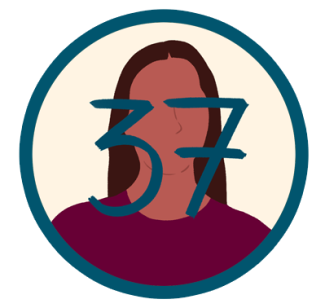
L'espérance de vie d'une personne trans et travesti en Argentine est de 37 ans - l'âge moyen de la population générale est de 77 ans.
Tout à fait, ces questions sont facultatives, et nous reconnaissons votre droit à l’anonymat. Merci de répondre aux questions de l’enquête, peu importe votre décision quant à la mention du nom de votre groupe, organisation et/ou mouvement et de vos coordonnées.
Ce rapport retrace et célèbre la première année du nouveau plan stratégique de l'AWID, et fait un retour en arrière sur nos premiers pas vers les objectifs visés, à savoir soutenir les mouvements féministes pour qu'ils prospèrent, remettent en question les programmes anti-droits et co-créent des réalités féministes.
Télécharger le rapport annuel 2018
Nous avons travaillé avec les féministes pour bousculer les programmes anti-droits et avons remporté d'importantes victoires au sein du système des Nations Unies avec l’inclusion, dans un certain nombre de résolutions, de termes novateurs sur la discrimination structurelle, les droits sexuels et les obligations des États. Oui, le système multilatéral est en crise et a besoin d'être sérieusement renforcé, mais ces victoires sont importantes car elles contribuent à la légitimité des revendications féministes et fournissent aux mouvements féministes davantage de points de pression et d'élan pour faire avancer nos programmes.
Nous avons essayé et testé différentes façons d’acquérir des connaissances avec les mouvements féministes à travers des webinaires, des podcasts et des discussions ‘en direct’. Nous avons développé des guides d’animation avec des éducateurs et éducatrices populaires pour récupérer des connaissances dans l'intérêt de la justice sociale et la justice de genre, même sur un sujet aussi opaque en apparence que les flux financiers illicites. Nous avons sollicité des blogs et des opinions sur la façon dont les groupes féministes se financent et se ressourcent, ainsi que fait la lumière sur les menaces qui pèsent sur nos systèmes de droits humains.
Au sein de l’AWID, nous avons pratiqué le leadership partagé et tiré des leçons de cette approche, et narré le récit des épreuves et des tribulations propres à la codirection d’une organisation mondiale virtuelle. Nous n’avons pas de réponse définitive quant à la forme que revêt le leadership féministe, mais un an plus tard, nous avons conscience que cet engagement continu envers l’apprentissage et l’expérimentation nous a permis de continuer à bâtir une organisation à laquelle nous sommes tou-te-s ravi-e-s de contribuer.
À l’heure où nous revenons sur l’année qui vient de s’écouler, nous souhaitons remercier tou-te-s nos ami-e-s et allié-e-s, collègues et camarades qui ont donné de leur temps et partagé avec nous leur richesse de savoir et de sagesse. Nous souhaitons remercier nos membres qui ont contribué à l’élaboration de notre plan stratégique et se sont joint-e-s à nous pour formuler des revendications féministes. Ce travail ne pourrait être réalisé sans vous.
Cette section présente les principales ressources que l’AWID recommande afin que vous puissiez mener votre propre recherche WITM.
Dans cette section
Outils en ligne
Quand vous aurez rassemblé ces ressources, vous pourrez estimer les coûts de votre recherche à l’aide de notre Fiche de travail « Êtes-vous prêts-es ? »
THE EXCLUSION, STIGMA AND INSTITUTIONAL ABUSE
that trans and travesti people continue to face on a daily basis

Yes, please do! We encourage you to share the survey link with your networks. The more diverse perspectives we gather, the more comprehensive our understanding of the financial landscape for feminist organizing will be.
Related content
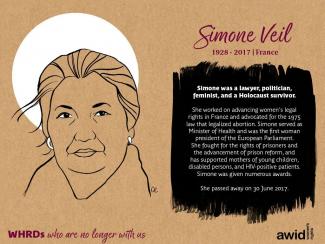
The Guardian: Simone Veil, Auschwitz survivor and abortion pioneer, dies aged 89
BBC: Simone Veil: French politician and Holocaust survivor dies
Reuters: French Holocaust survivor and pro-abortion campaigner Simone Veil dies at 89
Notre plan stratégique, intitulé “ Les réalités féministes ”, est arrivé à son terme à la fin de l’année 2022. Au cours des cinq dernières années, ce cadre audacieux nous a incité·es à aller au-delà des avenirs féministes et à reconnaître les solutions féministes et les modes de vie qui existent déjà, ici et maintenant. Des réalités qu’il convient de mettre en avant, de célébrer et de populariser. Le projet de récits multimédias Les économies féministes que nous adorons et la plateforme de connaissances Our:Resource sur les modalités autonomes d’obtention de ressources pour l’activisme féministe sont deux exemples de ce travail visionnaire, toujours profondément collectif avec une grande diversité de mouvements féministes.
Téléchargez le rapport annuel 2022
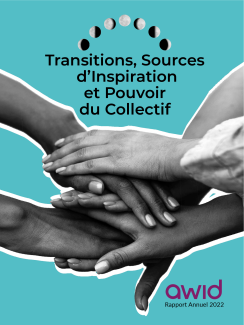
En faisant le bilan de ces derniers mois, nous vous invitons à célébrer avec nous des aboutissements heureux et des débuts prometteurs. Les changements et les transitions sont parties prenantes de la vie et des mouvements, que nous voulons accueillir avec intention et soins.
Les interviews génèrent des renseignements détaillés que vous aurez du mal à obtenir à travers un sondage. Le sondage est surtout axé sur les données quantifiables et les questions fermées,par contre les interviews permettent d’obtenir les opinions d’expert-e-s comme des activistes et des donateurs, tout en utilisant des questions ouvertes qui précisent le contexte entourant les données résultant du sondage.
Dans cette section
- Conseils d’ordre général
1. Avant de mener vos interviews
2. Pendant les interviews- Interviews spécialisées
1. Interviews auprès des donateurs
2. Interviews auprès des activistes et des organisations de droits des femmes- Résultats préliminaires
Envoyez aux personnes que vous allez interviewer une note de synthèse qui décrit les objectifs des interviews et de l’ensemble de votre recherche, en plus d’une liste de questions.
Ces personnes pourront ainsi préparer leurs réponses aux questions plus complexes et obtenir les renseignements qu’elles n’ont peut-être pas sous la main.
Ne fondez pas vos questions sur des hypothèses au sujet des connaissances de la personne interviewée.
Tentez plutôt de préciser ce qu’elle sait, ce qui produit également des informations
- NE DEMANDEZ PAS : « Compte tenu des tendances actuelles de financement en Suisse, est-ce que vous êtes au courant de certaines occasions de collaboration ? » Cette question présume que la personne interviewée connaît les tendances de financement et que sa compréhension de ces tendances est identique à la vôtre.
- DEMANDEZ : En premier lieu, « Quelle est votre compréhension des tendances de financement actuelles en Suisse ? », suivie de « Est-ce que vous êtes au courant de certaines occasions de collaboration ? » Ceci révèlera ce que la personne comprend, vous donnant encore plus d’informations que la première question.
Les interviews auprès des donateurs vous permettront d’approfondir vos relations avec eux, ce qui sera utile lorsque vous entreprendrez les activités de plaidoyer qui succèderont à votre recherche. Vous en tirerez également une connaissance plus poussée des processus de prises de décisions adoptés par les bailleurs de fonds.
Suggestions de thèmes à aborder lors des interviews avec les donateurs :
Les interviews auprès d’activistes et d’organisations de droits des femmes vous renseigneront sur leurs réalités sur le terrain. Ici encore, ces interviews vous permettront d’approfondir vos relations qui peuvent être intégrées aux plaidoyers, particulièrement en vue de favoriser la collaboration entre donateurs et activistes.
Suggestions de thèmes à aborder lors des interviews avec les activistes et les organisations de droits des femmes :
Pendant votre recherche WITM, nous vous recommandons de procéder à l’analyse des résultats préliminaires. La présentation de vos résultats préliminaires offre l’occasion de mener d’autres interviews et de recueillir des réactions sur votre processus de recherche et sur les résultats initiaux. Ces réactions peuvent être intégrées à votre recherche finale.
L’AWID organise des « rencontres WITM » pour partager les résultats préliminaires issus des données de sondage et des interviews. Ces rencontres permettent aux personnes qui y prennent part (activistes, organisations de droits des femmes et donateurs) de débattre et de discuter des résultats, de préciser le contexte, de rehausser le sentiment d’appropriation parmi les membres du mouvement et de fournir plus de commentaires en vue de la recherche finale.
Par exemple, l’AWID a profité du Pôle de mobilisation des ressources (RMH) pour les droits des femmes autochtones, dans le cadre du World Summit on Indigenous Philanthropy (Sommet mondial sur la philanthropie autochtone) pour lancer une présentation de ses résultats préliminaires.
Voir la présentation donnée lors du RMH (en anglais)
4. Recueillez et analysez vos données

• 1,5 - 3 mois
• 1 personne (ou plus) chargée de la recherche
• Liste d’organisations, de donateurs et d’activistes agissant à titre consultatif
• Questions d'interview que vous aurez préparées
• Note conceptuelle (Vous pouvez utiliser de cadre de référence que vous avez déjà préparé)
• Exemples d’interviews auprès des donateurs
• Exemples d’interviews auprès d’activistes et d’organisations de droits des femmes
4. Recueillez et analysez vos données
6. Menez une recherche documentaire
Escucha la historia aquí: